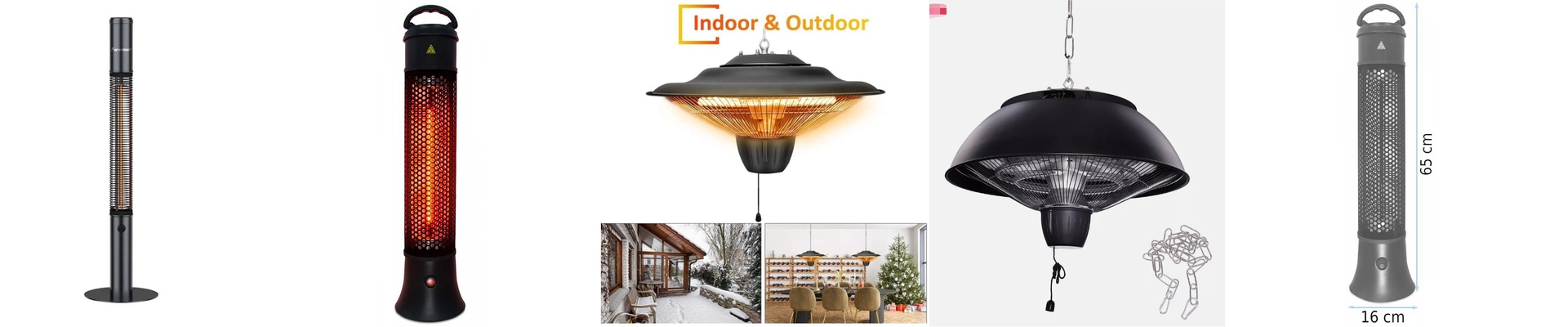

The rush hits, tickets pile up, and the line waits. Your griddle is working, but the top of the stack stays pale while the bottom goes soggy, and timing starts slipping. A regular oven is too slow, too far away, and too big for this moment. You need heat you can focus—something that finishes food fast without cooking it to death. That’s why a baking heat lamp for griddle work exists. It’s a purpose-built infrared finishing tool that sits close, comes up to temperature quickly, and gives you control over surface browning while the griddle does the heavy lifting on the core cook. When it’s dialed in, you see it on every plate: even golden color, a crisp top, no soggy bottom, and service that keeps moving.
What matters under the hood
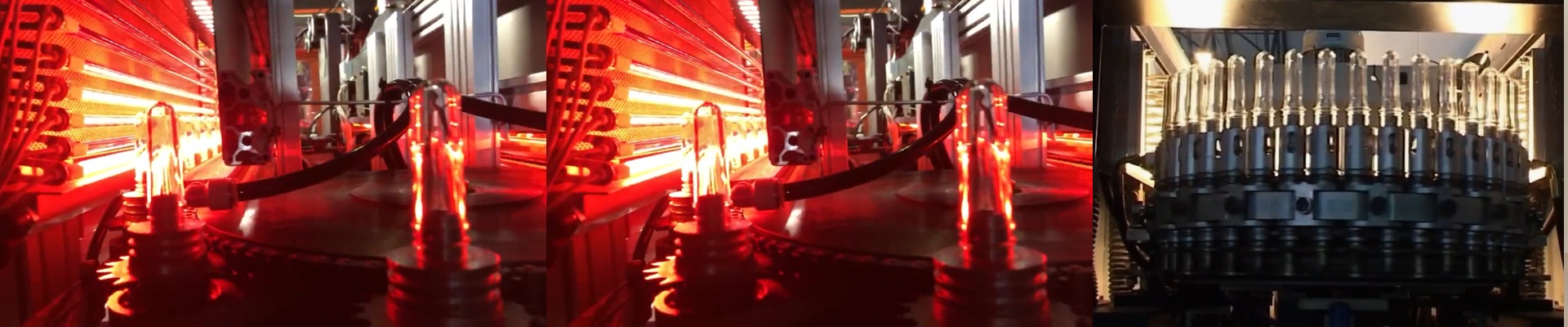
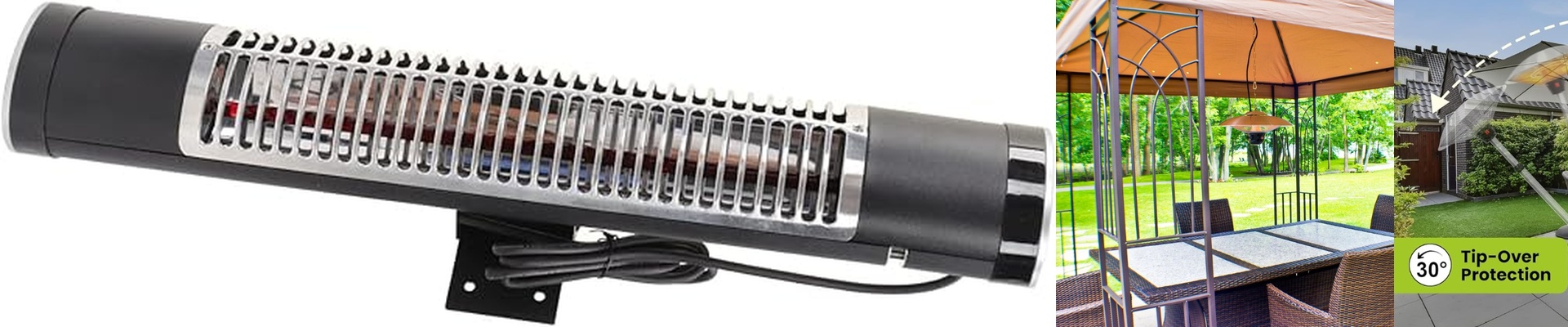
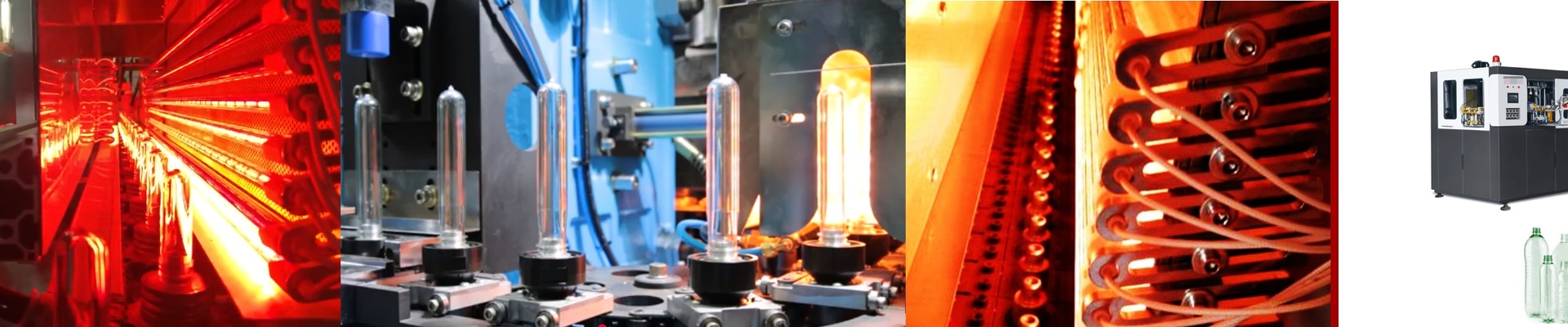
A baking heat lamp for the griddle isn’t just a hot bulb. It’s a targeted heating system designed for short-cycle finishing in a commercial kitchen. We lean on short-wave infrared elements because they hit full power in seconds, not minutes. That’s heat on demand when the rush hits. The wavelength is chosen to penetrate the outer layer just enough to drive browning and caramelization, without overriding the heat already in the food from the griddle. Here are the specs you can actually plan around:
- **Power:**Typically 2.0–3.0 kW per lamp head. Enough output to finish a plate quickly without forcing your main equipment to compensate.
- **Voltage:**120V or 240V configurations, depending on station layout and electrical capacity.
- **Mounting:**Adjustable brackets for height control. Distance to the product is how you tune browning intensity.
- **Control:**On/off switching with optional dimming. Some models add a timer for consistent cycle execution.
- **Construction:**Stainless housing, high-temperature wiring, and a protective guard so grease and splashes don’t turn into a maintenance headache. The design intent is straightforward: fast response, localized heat, and repeatable positioning. You want the lamp to act like a tool—something you can aim, adjust, and count on during service.
Why this works where you need it
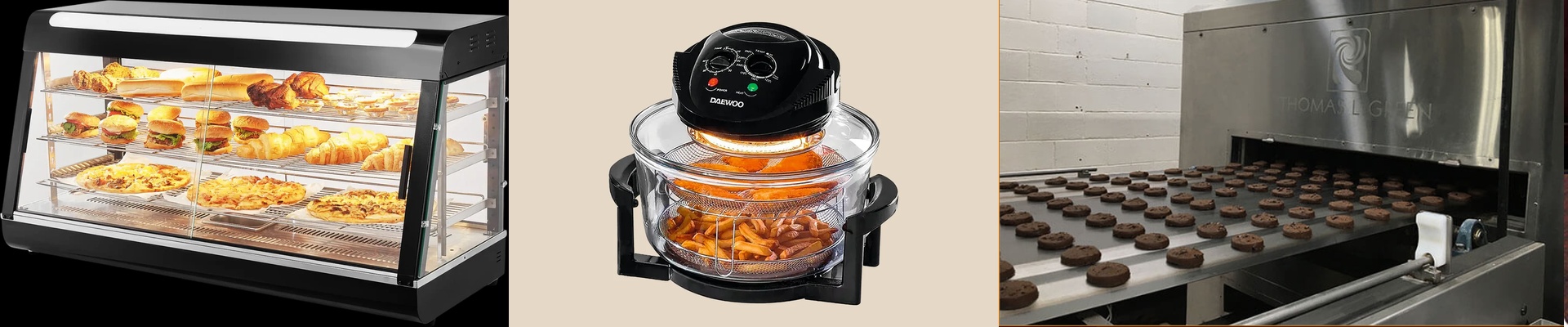
A griddle is great at searing and cooking through, but it has a blind spot: top-surface finishing. Without a finishing heat source, you get uneven color, missed crispness, and food that sits while you try to fix it. Put a baking heat lamp above the griddle, and the workflow changes. Finish a sandwich so the cheese melts and the bread hits consistent golden brown. Give a burger a quick blast to crisp the edge without overcooking the patty. Glaze or sauce items right at the pass, setting the glaze fast while the texture underneath stays intact. On the plate, you’ll see:
- Even browningacross the top, not just one hot spot.
- A crisp exteriorwith a core that stays properly done—crunch outside, moisture inside.
- Faster ticket timesbecause finishing no longer bottlenecks the pass. Energy use matters, too. The lamp targets only the surface and cycles quickly, so you’re not heating the whole kitchen. You’re paying for heat exactly where you need it, for as long as you need it. And in busy service, consistency is the real payoff. When distance, timing, and heat are standardized, the pass becomes repeatable. New staff execute finishing steps with fewer mistakes, and seasoned staff keep pace without guessing.
What you need to watch for
A baking heat lamp is simple to run, but it comes with real-world constraints. Plan for them. **Installation and clearance.**You need room above the griddle for adjustment and cleaning. Mount the lamp so it can be raised and lowered without hitting the cooking surface or getting in the way of utensils. Heat rises, and the lamp itself gets hot—position it so staff aren’t reaching across an active element. **Electrical load.**A single 2.0–3.0 kW lamp adds meaningful load. Coordinate the circuit with your electrical plan so you’re not tripping breakers during peak service. If you run multiple lamps, balance them across circuits. **Compatibility.**The lamp is a finishing aid, not a replacement for your griddle or oven. It performs best when paired with a well-maintained griddle and a disciplined pass. It won’t fix undercooked food, and it won’t make up for poor temperature control on the main equipment. **Maintenance.**Grease, sauce, and steam are part of the station. Clean the guard and housing regularly, and inspect the element and wiring during routine equipment checks. Replace elements before output drops too far—once browning times start stretching, the pass slows down. One practical trade-off: infrared finishing is fast and effective, but it can overshoot if the lamp is too close or left on too long. The fix is training and setup—define the height, set the timer or dimming level, and make finishing a controlled step, not a reflex. If your griddle is carrying the load every service, give it the finishing tool it needs. A baking heat lamp keeps the top of the plate looking right, the timing tight, and the line moving—with even color, the right crispness, and food that stays consistent from the first ticket to the last.