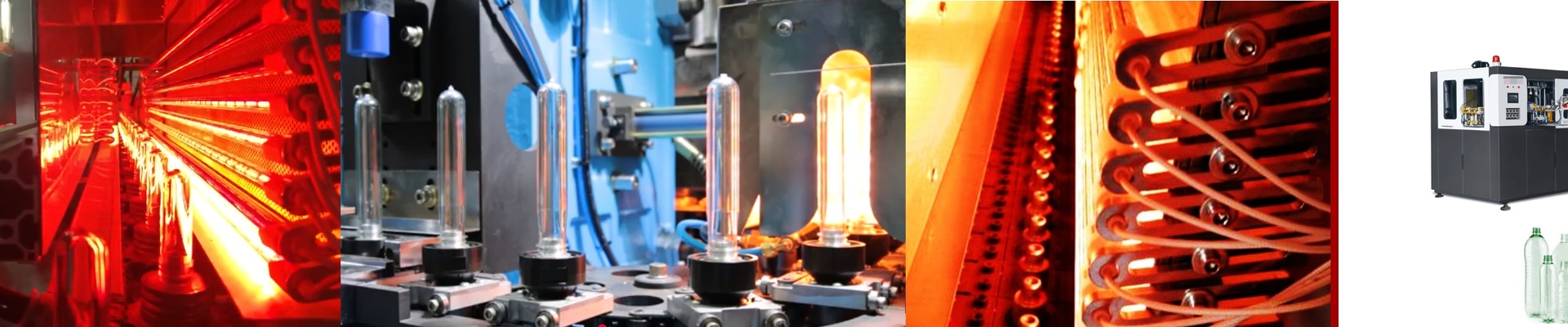

Why our quartz lamps just work with almost any PET machine
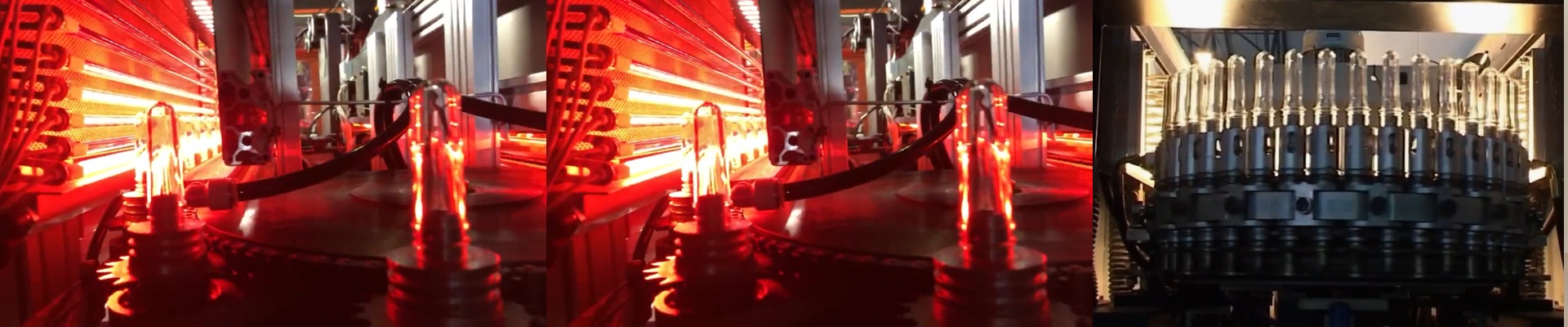
If you’ve spent any time on a PET blow molding line, you know the drill. You need that heat profile to be spot on. Too cold, and the plastic won’t stretch. Too hot, and you’re scorching your preforms. Whether you’re running a Sidel, a Krones, or some smaller brand from across the ocean, you don’t want a headache when it’s time to replace a lamp. You just want something that slides in and works. That’s exactly why we build ours the way we do.
The secret to a “universal” fit
It really comes down to three things: how big it is, how much power it pulls, and the plug. We don’t guess. We stick to the industry-standard lengths and diameters. We focused on the actual physical space in the heating zone so our lamps fit right into your existing brackets. No hacking away at the machine frame. No “making it fit” with a hammer. It just slides in. Then there’s the power side of things. Depending on your transformer, you might be running 230V or 400V. That changes how the filament behaves. High-voltage tubes give you more heat in a smaller space, but you’ve got to keep an eye on your power supply. Nobody wants to trip a breaker right in the middle of a production run.
The gritty details: Quartz and Connectors
We use high-purity fused quartz because it can handle the shock of heating up and cooling down rapidly without snapping. Inside, we use halogen-filled tubes. Here’s why: it stops the filament from burning out too fast by pushing the tungsten back onto the wire. It’s a small detail, but it means your lamps last longer. But let’s be honest—the connector is where most “universal” lamps fail. There’s nothing more frustrating than getting a shipment only to find the pins don’t line up. We keep R7s and Sk15 bases in stock. They’re the gold standard. Since we have them ready to go, you aren’t stuck waiting weeks for a custom order.
A quick reality check
These lamps put out a massive amount of short-wave IR energy. It’s powerful stuff. It gets your preforms ready to blow in seconds. But that heat has to go somewhere. If your oven’s cooling fans are clogged or broken, the quartz tube will overheat and crack. We build these things to be tough, but they aren’t magic—they still need a bit of airflow to stay alive.