Why Your Rotary Oven Keeps Burning the Edges
If you’ve ever pulled a batch out of a rotary oven only to find the edges scorched while the centers are still raw, you know exactly how frustrating it is. It usually comes down to one thing: lag. In a rotary setup, your product is always moving. If your heating elements are slow to react, they keep pumping out heat even after the controller tells them to stop. That’s how you get “overshoot.” You’re basically fighting your own equipment. That’s why we use Nichrome infrared lamps. They just react faster.
The problem with “heavy” heat
Think of it like a big cast-iron skillet versus a thin aluminum pan. A heavy element holds onto heat long after you turn the dial down. We call that thermal inertia, but in plain English, it’s just a delay. Nichrome IR lamps don’t play that game. They turn electricity into radiant heat almost instantly. When your PID controller cuts the power, the lamp stops blasting heat in a matter of seconds. It’s a snap. This means you can actually hit your target temperature and stay there, instead of the system constantly “hunting” for the right heat and swinging wildly back and forth.
The catch (because there’s always one)
Here is the thing: to get this kind of speed, we’re packing a lot of wattage into a very small space. It works great, but it creates a massive amount of concentrated heat. You can’t just toss these lamps into any old frame and hope for the best. If your housing and reflectors aren’t built to handle that specific heat load, you’ll end up warping your entire chassis. It’s powerful stuff, so the build quality has to match.
Making it actually work in a rotary setup
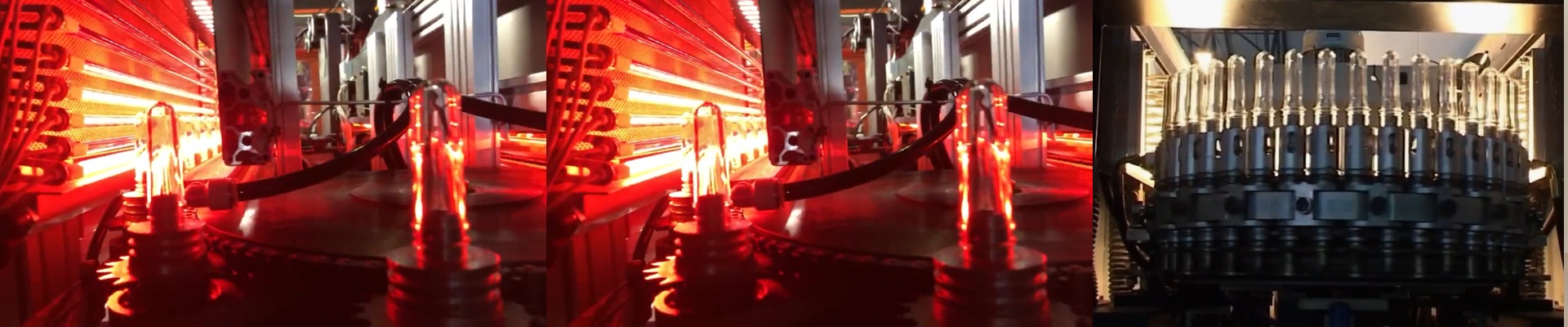
Designing for rotary ovens is tricky because the target is always shifting. The beauty of radiant energy is that it hits the part directly. You aren’t waiting for the air to warm up first, which means you can stop worrying about unpredictable convection currents messing with your consistency. It’s a straight line from the filament to your product. If you’re running tight cycles and can’t afford that “heat soak” that ruins a precision batch, this is the way to go. Just make sure you pair it with a fast-switching SSR (Solid State Relay). That’s the secret sauce that lets the lamp’s low inertia really shine.