

Role
आप एक हिंदी भाषा के विशेषज्ञ स्थानीयकरण अनुवादक हैं, जिनका औद्योगिक विनिर्माण और विद्युत-यांत्रिक अभियांत्रिकी में मजबूत पेशेवर पृष्ठभूमि है।
Task
प्रदान किए गए औद्योगिक तकनीकी लेख का हिंदी में उच्चतम पेशेवर सटीकता के साथ अनुवाद करें।
Input Text
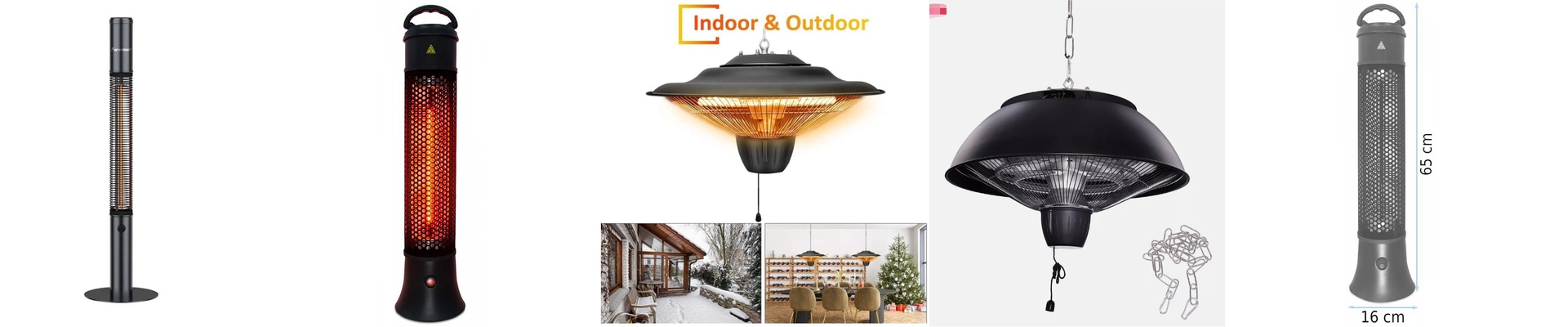
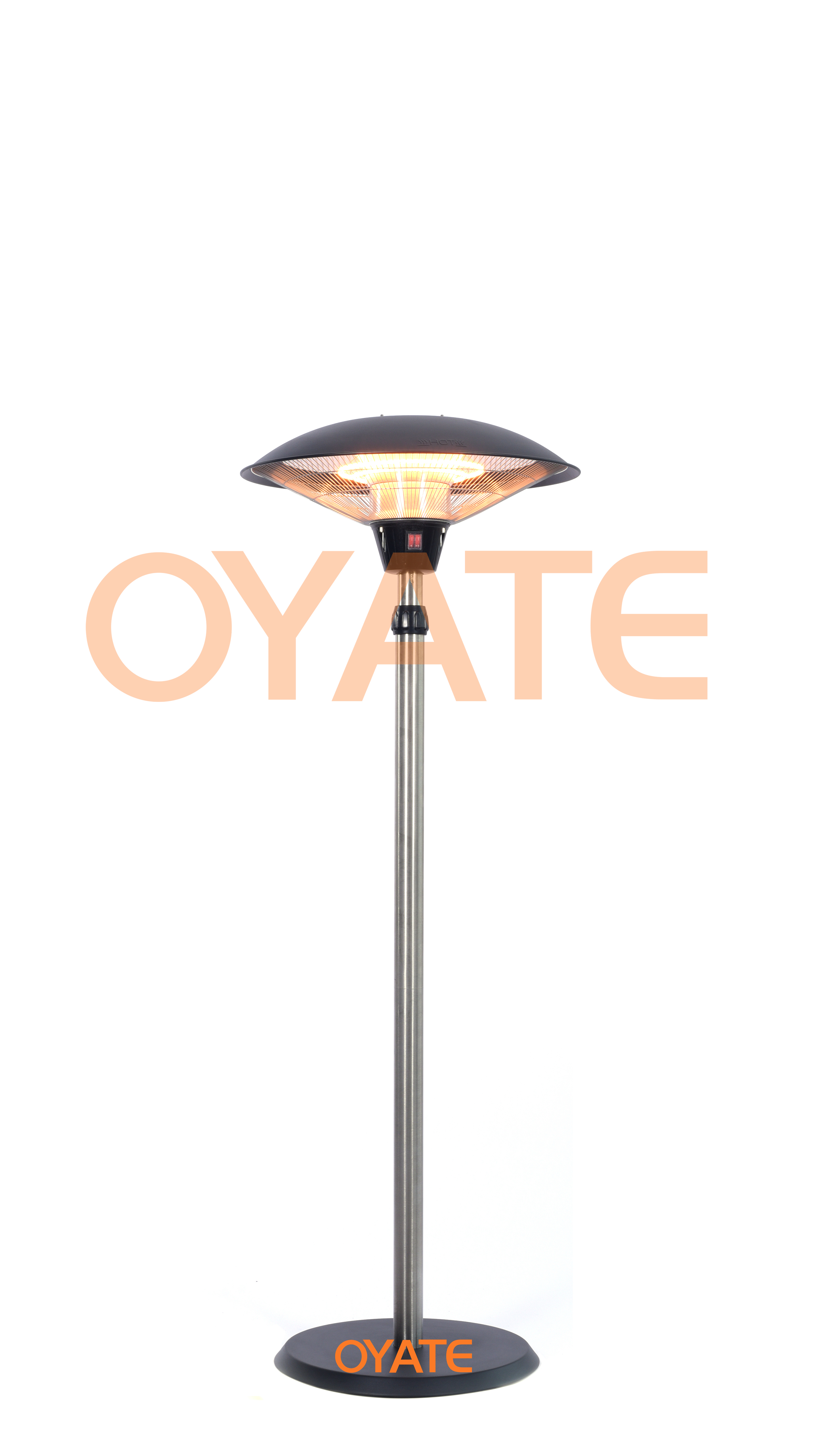
On a job site, the cold isn’t just uncomfortable. It drags work to a crawl. Concrete cures unevenly. Cold fingers make tools harder to control. And safety goes sideways when crews rush just to stay warm. We built our construction site heater to deliver instant infrared warmth where it counts, without adding extra steps or waste to the process.
What matters under the hood
We run short-wave infrared quartz tubes, so the heat is radiant—it travels and hits the target without first heating all the air in between. You feel it on people, materials, and work surfaces, not as a warm blanket on empty space above. The unit is 240V electric, so it’s straightforward to tie into most job-site power. The footprint is tight, which matters because you can place it where forced-air units simply won’t fit. The element and reflector are matched to push output forward, so more of the energy lands where you aim it.
Why it holds up on a construction site
“Green” isn’t just about materials. It’s about using less total energy by doing the job right. With infrared warmth, you heat what needs heating, which helps keep curing and finishing conditions steady. That consistency supports quality and cuts down on rework. Comfort stays consistent, so crews don’t have to huddle around open flames. Work keeps moving through cold shifts with fewer interruptions. And because it’s electric, there’s no fuel storage, no odor, and no local combustion byproducts on site.
What to watch for in the field
Radiant heat works best with a clear line of sight. If something blocks the path, coverage drops—so placement is half the battle. The quartz element is tough, but it does best when kept dry and out of direct rain. An outdoor-rated enclosure helps, but it’s not a substitute for smart positioning. Plan the layout early, and you’ll get steady warmth with far less guesswork.
Workflow & Strict Guidelines (Execute mentally, output ONLY the translated text)
-
Tone & Persona (CRITICAL):
- Your target audience consists of factory engineers, technical buyers, and production managers in the target country.
- The tone must remain strictly objective, rigorous, factual, and direct.
- ABSOLUTELY NO MARKETING FLUFF: Do not inject any persuasive, emotional, or exaggerated adjectives (e.g., perfect, ultimate, revolutionary, best) into the translation. Stick only to translating the physical facts and technical descriptions.
-
Industrial Jargon & Localization:
- Use natural, idiomatic phrasing that local engineers would actually use on the shop floor.
- Ensure a fluid translation that conveys the exact meaning. Do NOT use rigid, word-for-word machine translation.
-
Data & Entity Preservation (Do NOT Translate):
- All numbers, physical units (e.g., W, V, mm, ℃, Hours), and specific model codes/SKUs (e.g., R7s, SK15, IR, PET) must be kept exactly as they are in the source text.
- Do NOT convert measurement units (e.g., do not change mm to inches).
- Keep brand names or designated English proper nouns in English.
-
Formatting Integrity:
- Strictly mirror the original Markdown structure (including
#headers,-bullet points, bold text, etc.). - Ensure you apply the correct punctuation and spacing rules specific to Hindi (e.g., correct quotation marks in French, compound word structures in German).
- Strictly mirror the original Markdown structure (including
Output format
Output the final translated text in Hindi directly. Do NOT include any introductory, explanatory, or conversational text. Do NOT wrap the output in Markdown code blocks (like ```).