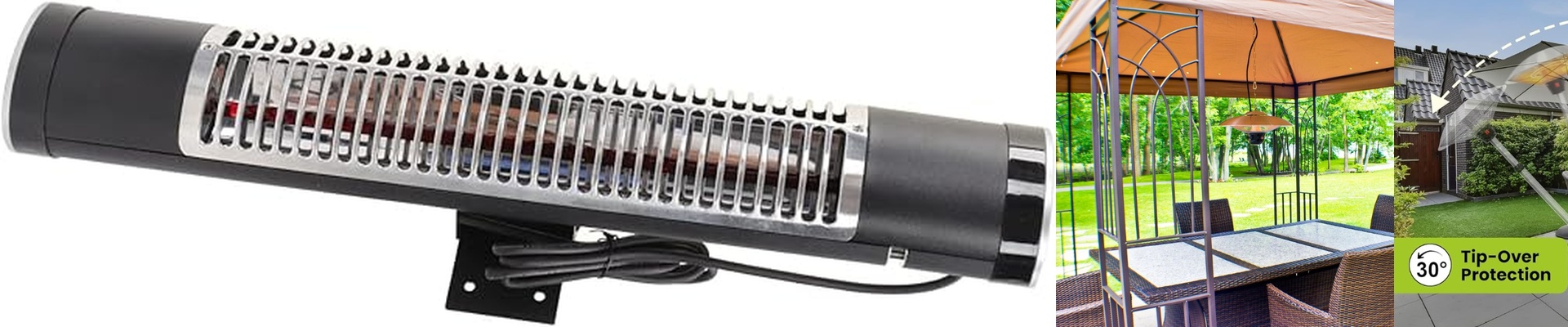
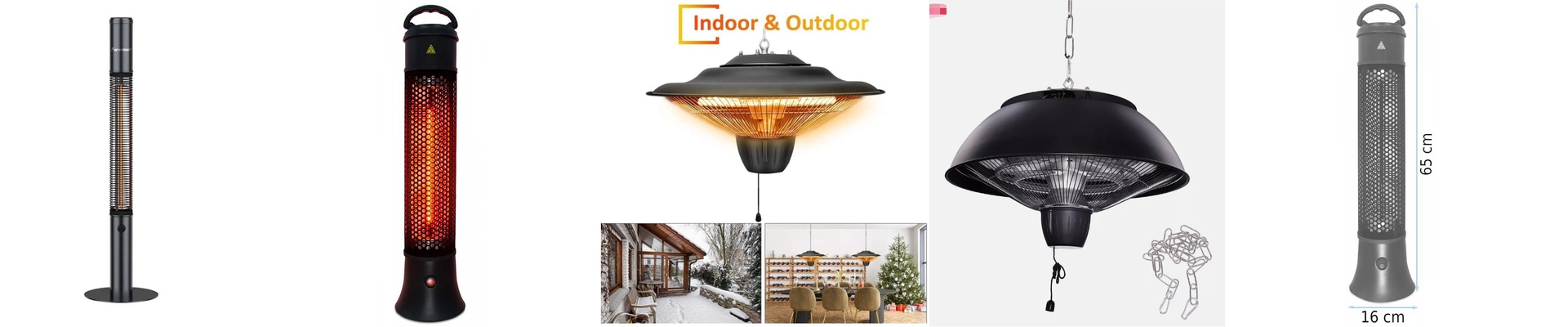
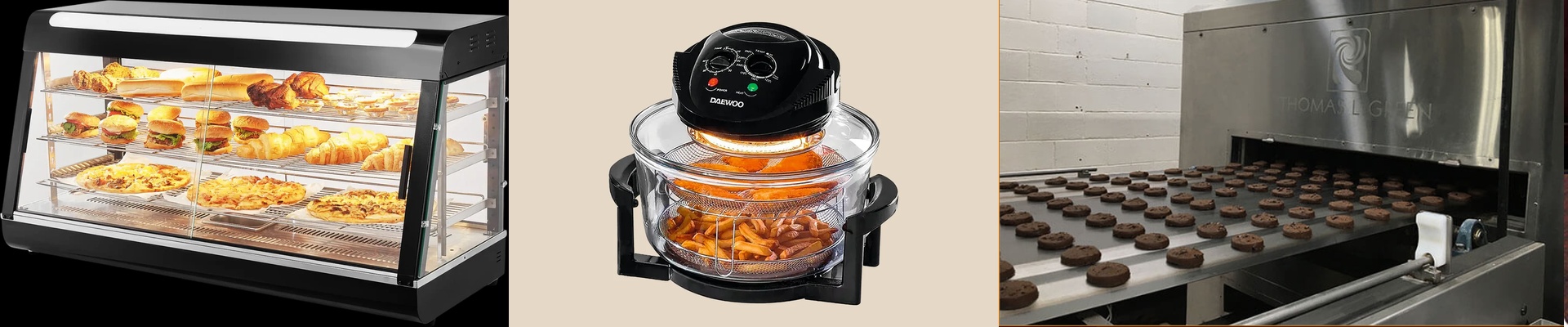
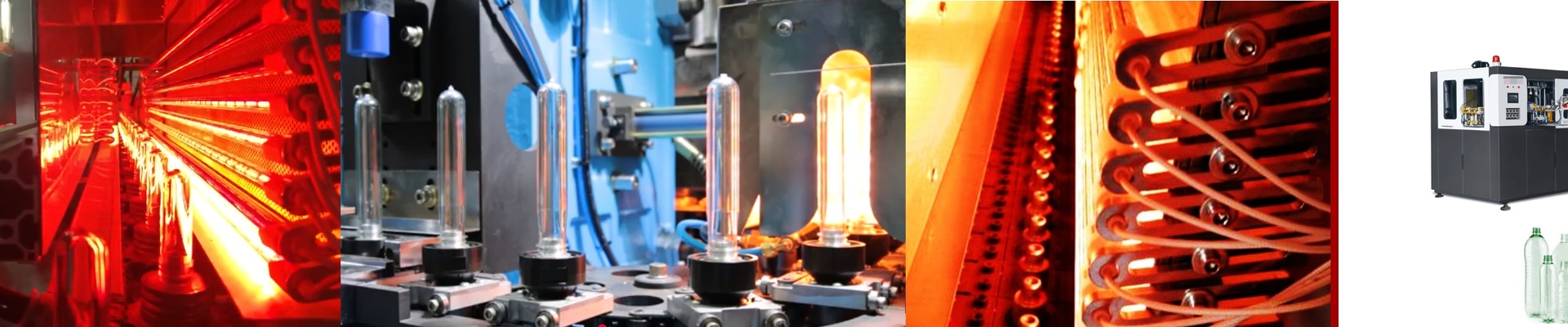
On a packed service line, temperature is the thin line between a sale and a throwaway. When a warming display starts drifting, product dries out, sauces break, and ticket times slide. The 110V thermal element for warming displays is built to hold steady, so prepped food keeps the right texture and temperature through the rush. What matters under the hood This 110V heating element is designed for low-voltage display warming, delivering predictable heat that plays clean with standard warming cabinets and heated countertop units. The layout aims for even coverage across the holding area, cutting down hot spots and cold pockets. You get fast recovery after the door opens, and stable response when the thermostat calls for heat. Going 110V simplifies wiring in tight stations, lowers complexity, and trims energy draw compared to higher-voltage setups—without giving up the holding power you need for display. Why it fits the job You need holding that protects quality and doesn’t waste juice. This element keeps product at safe, consistent temps, so food stays moist and presentable without overcooking. The payoff: faster ticket fulfillment, fewer quality swings between rushes, and measurable energy savings over long service windows. For bakeries and deli counters, it keeps pastries crisp and deli items at the right warmth, supporting consistent output and cutting waste from temperature drift. What to watch for Installation is straightforward, but the element has to match the unit’s mounting and thermostat tolerance. Confirm compartment size, airflow, and control settings to avoid short cycling. In dry-heat displays, keep the element clean and free of debris so performance stays even. Make sure you have proper clearance to prevent overheating nearby surfaces, and verify your outlet and circuit can carry the steady load during long holding periods.