CE Certification: The Global Engineering Shortcut
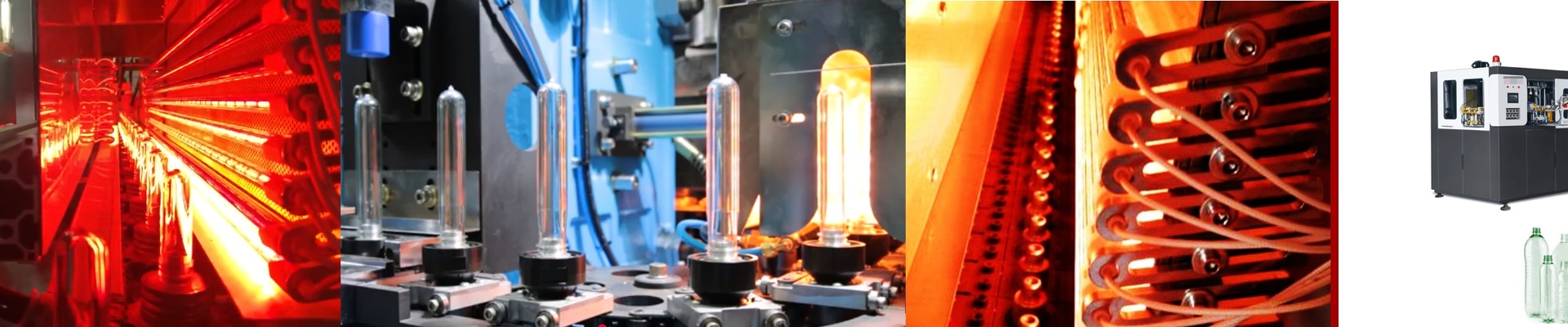
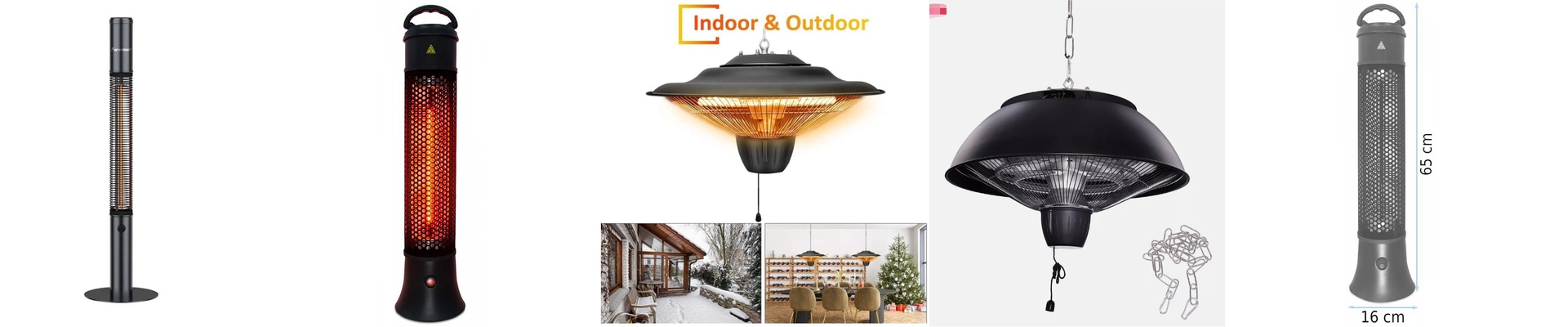
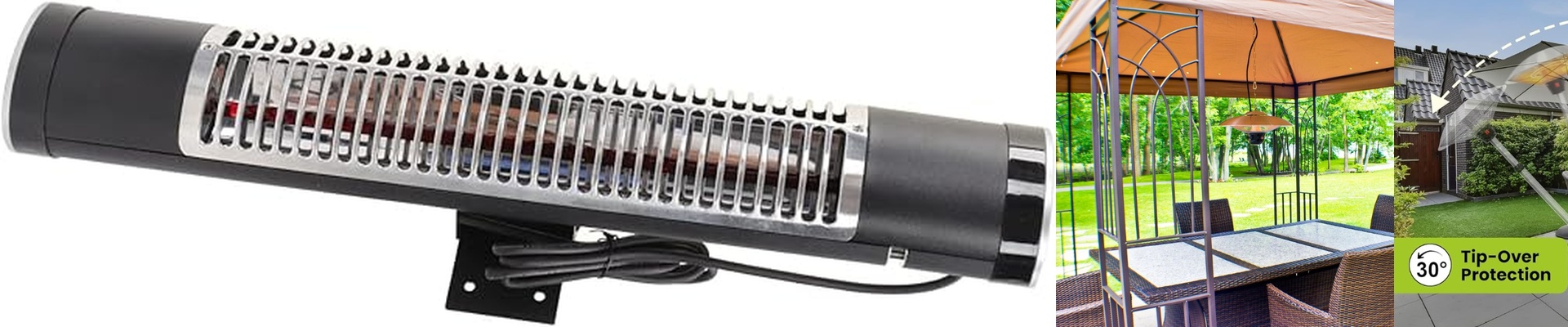
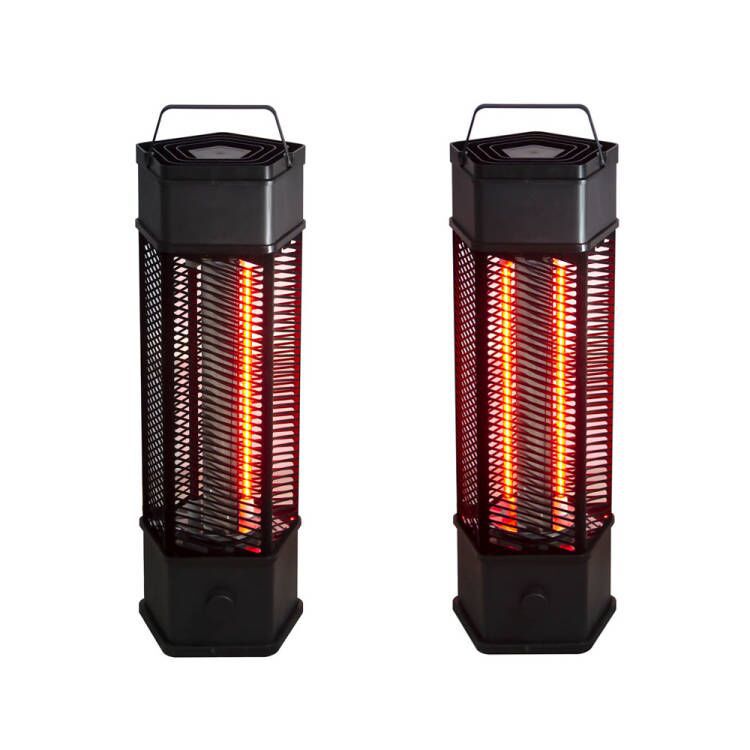
If you’re running factories all over the world, you need equipment that behaves the same way everywhere. No surprises. No headaches. That’s why our infrared heaters come CE-certified—as a standard, repeatable building block, not a one-off custom job. This certification wipes out the safety and performance differences that force you to re-qualify and re-test on every new shop floor. When you spec these heaters, you’re locking in a consistent heat profile and a predictable electrical fit—no matter the country or plant. The payoff? Lines come together faster. Changeovers get simpler. And you get the paperwork trail global compliance teams actually trust.
The Tech, Without the Fluff
Infrared heating is all about matching power density to the job. Our heaters deliver steady output with tight control over voltage and wattage. And the dimensions are designed to drop straight into standard mounting spaces—so you’re not redesigning brackets or clearances. For higher-wattage needs, options like 400V help reduce current draw. Less current means smaller wiring, easier insulation, and less voltage drop over distance. That matters when you’re running heaters along long machine frames or across distributed heating zones. Just keep this in mind: higher power density needs good cooling and proper clearance. Plan your airflow and thermal management early, or you’ll shorten the life of the components.
What They’re Built From
The tube uses quartz with a halogen fill gas to keep the filament temperature steady. That translates to consistent infrared output—and a longer life than you’d get from open-coil designs. A specialized outer coating shapes the heat spectrum and guards against dust and humidity, so performance stays stable even in tough environments. And the connector system leans on standard interfaces like R7s. Why? Because it gives you secure mechanical retention and solid electrical contact—while making replacements quick during maintenance. You wire it once. After that, swapping a heater is as simple as a plug-in on the line.
How It Feels on the Floor
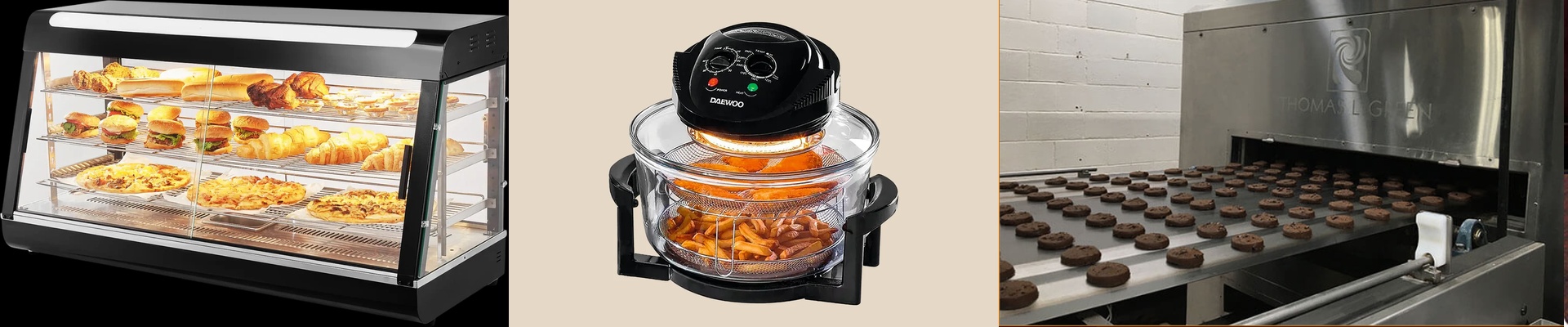
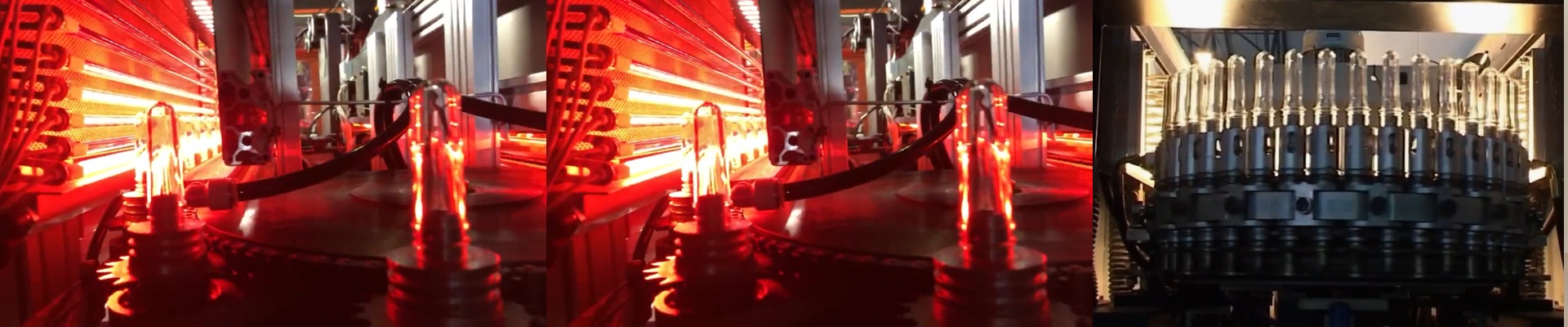
In real life, these heaters respond fast and focus the heat where you need it, so you don’t cook the surrounding equipment. For processes that demand precise temperature control, the stable output means fewer temperature swings—and less scrap. Engineers really like the drop-in replacement aspect. Once you standardize on this CE-certified setup, maintenance teams can carry one spare across multiple plants. That cuts downtime and keeps inventory simple. Ultimately, it’s about engineering peace of mind: predictable heat, repeatable installs, and compliance that clears global procurement without a fight.