Introduction
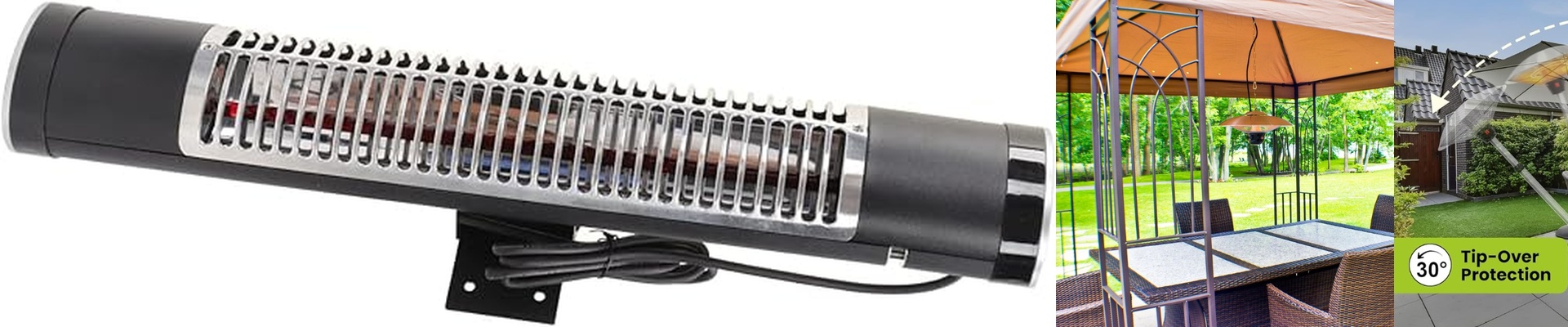
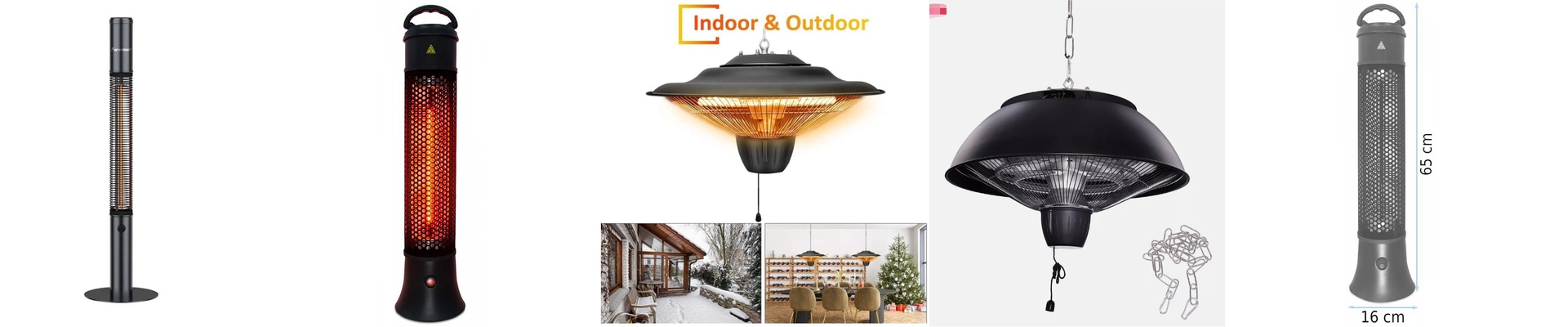
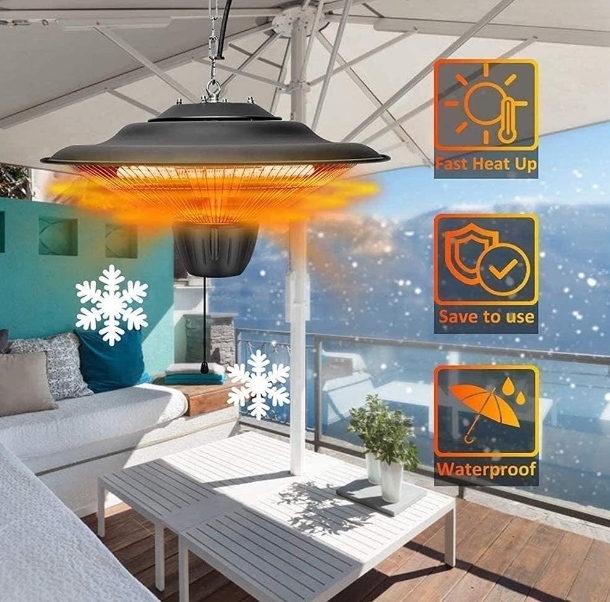
Let’s face it: energy prices keep climbing, and that hits your bottom line. So we built the Infrared Panel Heater to fight back against those rising costs. It’s straightforward—use a powerful halogen lamp to send heat right where you need it, instead of wasting money on systems that warm the whole room. The whole point? Heat on demand, and a smaller electricity bill.
Power and Performance: What It’s Really Doing
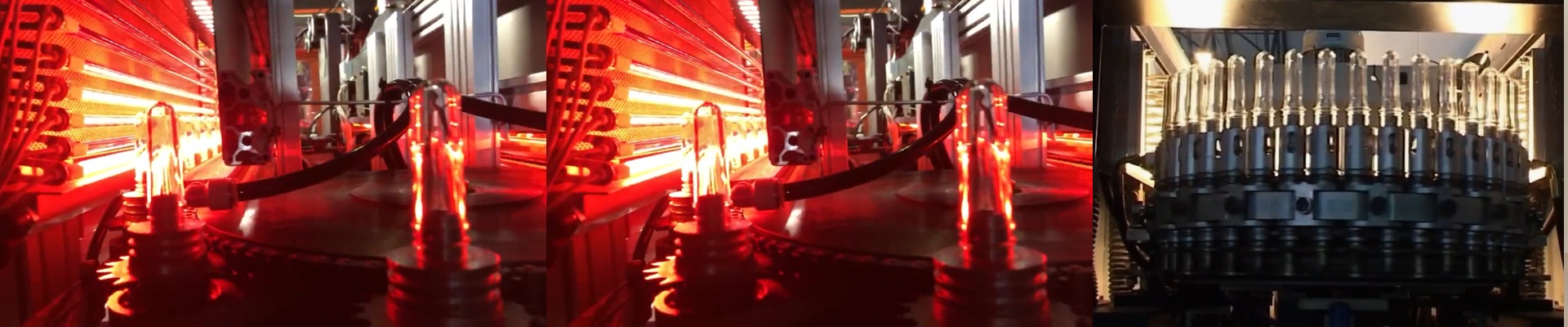
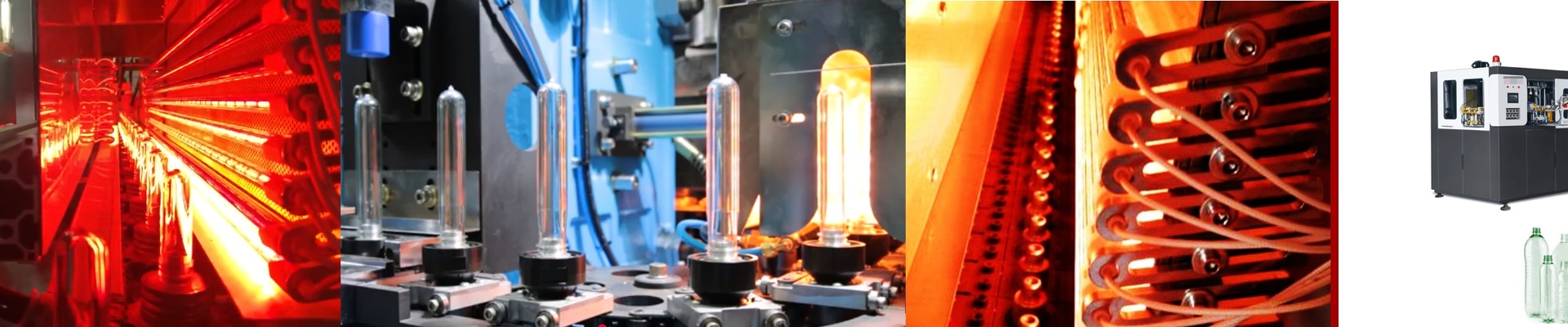
At the heart of this heater is a halogen lamp, tuned to squeeze every bit of radiant heat out of each watt. We set it up to run on standard industrial voltage, so it slides into your current setup without expensive extras. The wattage is dialed in for high heat density, which just means it fires up fast and throws out intense infrared energy. And here’s the smart part: it heats directly, not by warming the air. That skips the energy loss that comes with heating empty space. For your facility, that means fewer kWh used compared to those old space heaters that constantly cycle on and off.
The Halogen Core: Built to Last
The lamp sits inside a quartz envelope, chosen because it can handle the extreme heat of the filament without breaking. The halogen cycle is key here. It keeps the filament clean, which stretches the lamp’s life and keeps the output steady over time. This isn’t just a step up from standard incandescent elements. Because the filament can run hotter thanks to the halogen cycle, you get more infrared output from the same power. So you end up with more usable heat, and a lower chance of burnout.
Where It Shines: Real Savings, Real Work
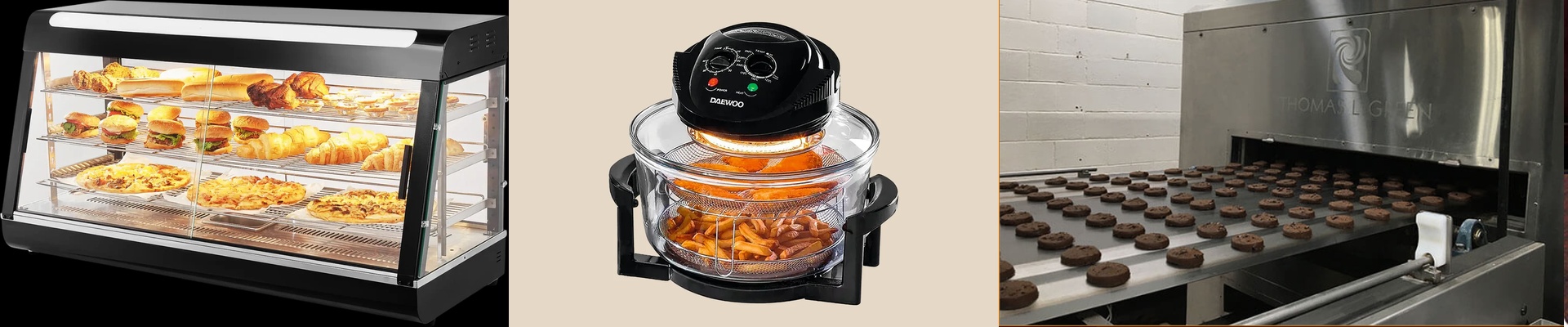
We designed this for places where spot heating matters most—think workshops, warehouse bays, and production lines where you only need heat in one specific area. The savings come down to basic physics. You’re not wasting power heating the entire volume of a room. The heater focuses on the target, which cuts down on runtime and lowers demand charges. But there’s a trade-off to that high-density output. It creates a lot of localized heat, so you need to make sure your nearby equipment and cooling systems can handle the extra warmth. But when it fits your setup, it’s a proven way to slash energy bills without cutting into the heat you need for the job.