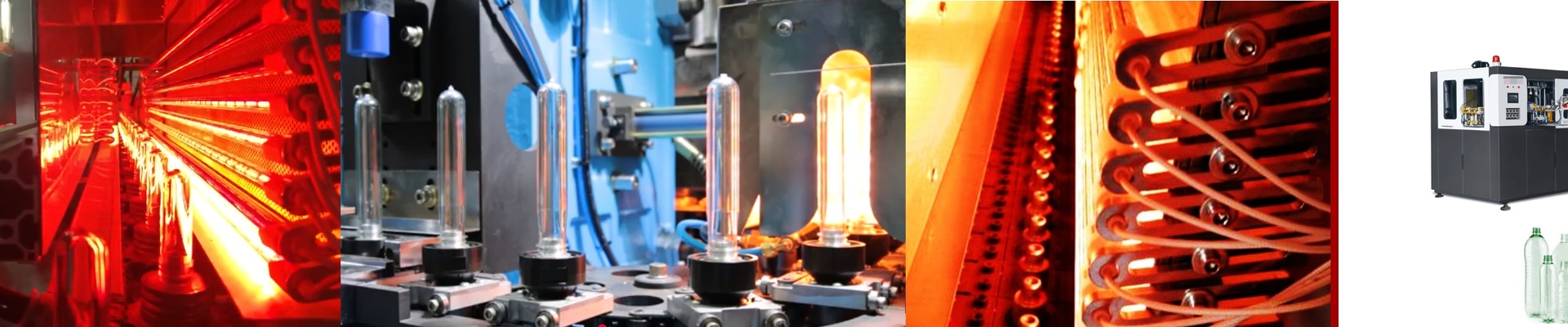
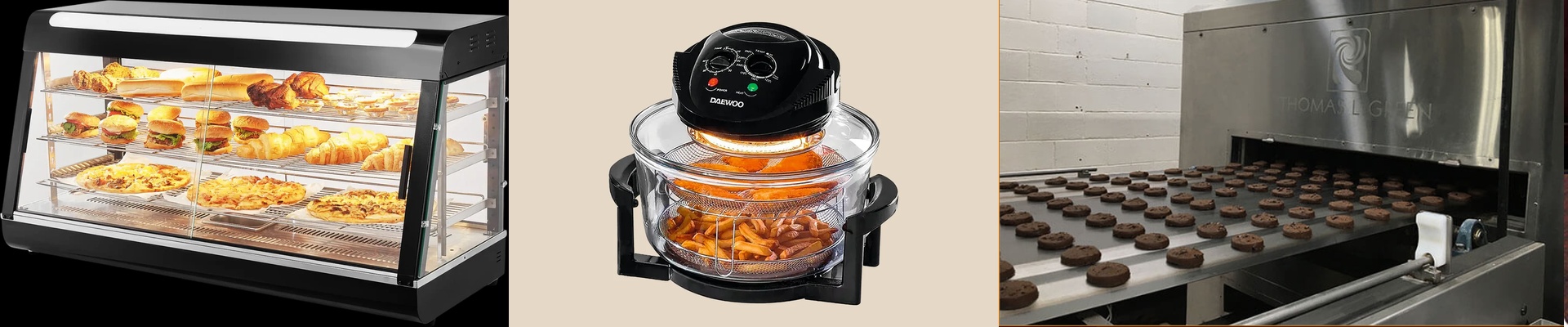
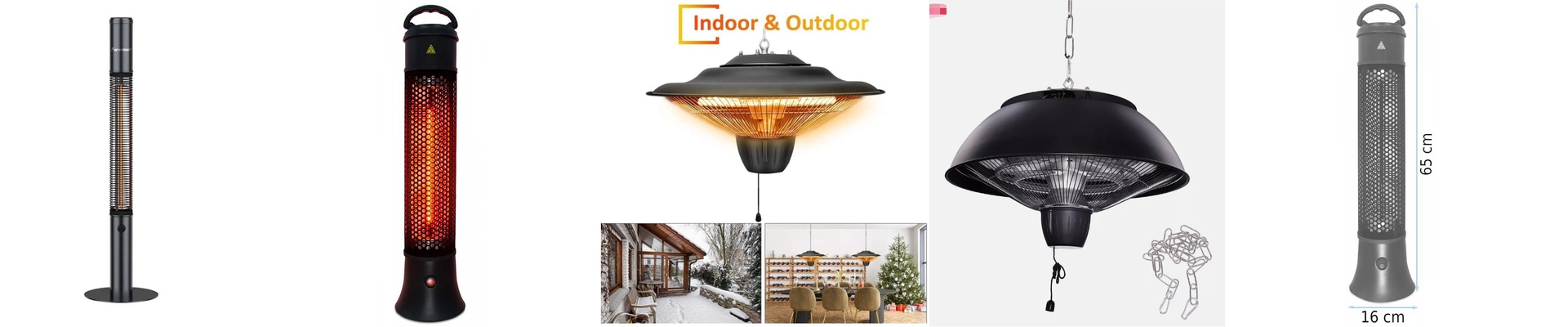
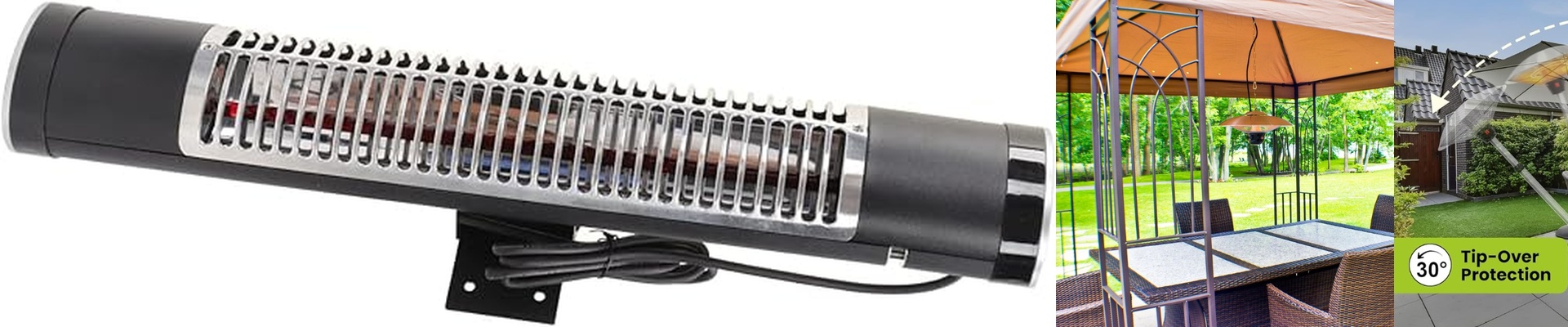
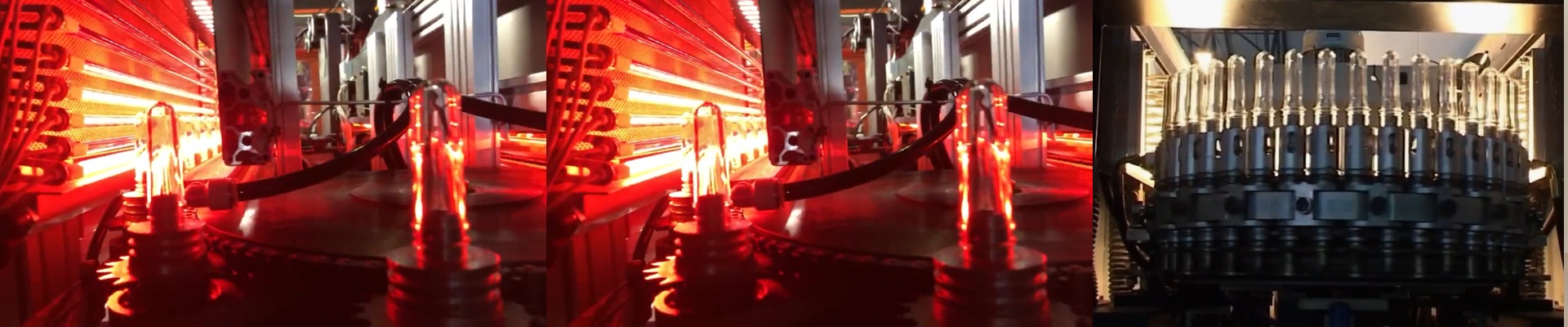
When your holding cabinet or countertop warmer starts losing heat, the infrared bulb is usually the first thing to give up. Output drops, temps wander, and your food quality gets inconsistent. In a busy kitchen, that inconsistency isn’t just annoying—it’s expensive. Service slows, prep gets wasted, and the complaints start piling up. What’s really going on under the hood We built this replacement around a medium-wave quartz element, because it heats up fast and holds steady radiation inside a compact warming chamber. It hits rated power within seconds, so the cabinet recovers quickly every time the door swings open. The filament geometry and reflector alignment focus heat where it matters—across the pan surface—instead of throwing energy at the walls. Standard voltage options and a solid base connection make it a straightforward drop-in for the common household warming units you see every day. Why this matters in practice In a food warmer, the job is holding, not cooking the product into oblivion. This bulb brings infrared output back to a steady baseline, so pans stay at holding temperature with fewer swings. You get predictable holding times, better control over texture, and fewer cold spots that force rework. That quick recovery also keeps service moving when the rush hits and the door is opening and closing nonstop. A few shop-floor notes Installation is simple, but the environment is brutal. Make sure the socket is clean and dry, and double-check that the voltage matches the unit before you power it up. Avoid touching the quartz surface—oil residue will shorten the element’s life. You’ll see peak brightness and maximum output in the first few minutes of operation. That’s normal for infrared, and it’s exactly why the design focuses on stable holding instead of a one-time burst of heat.