
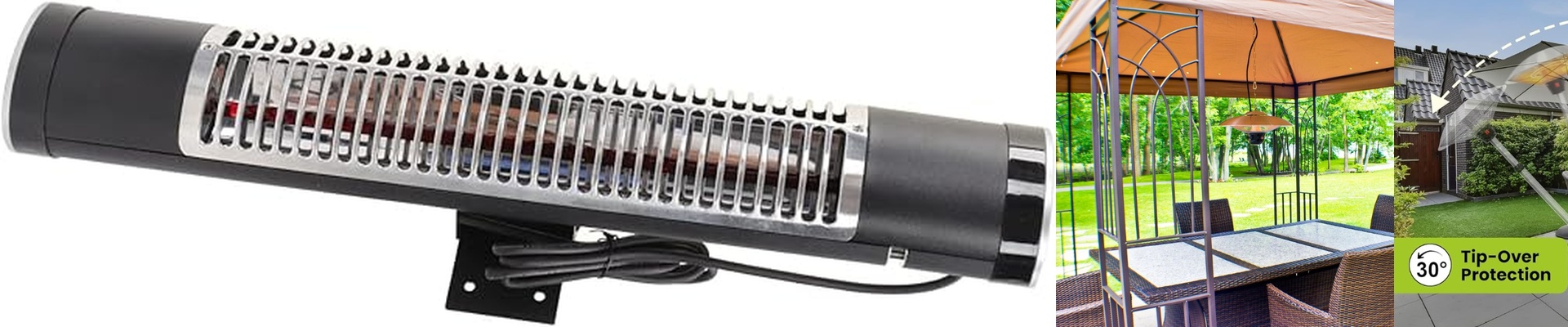
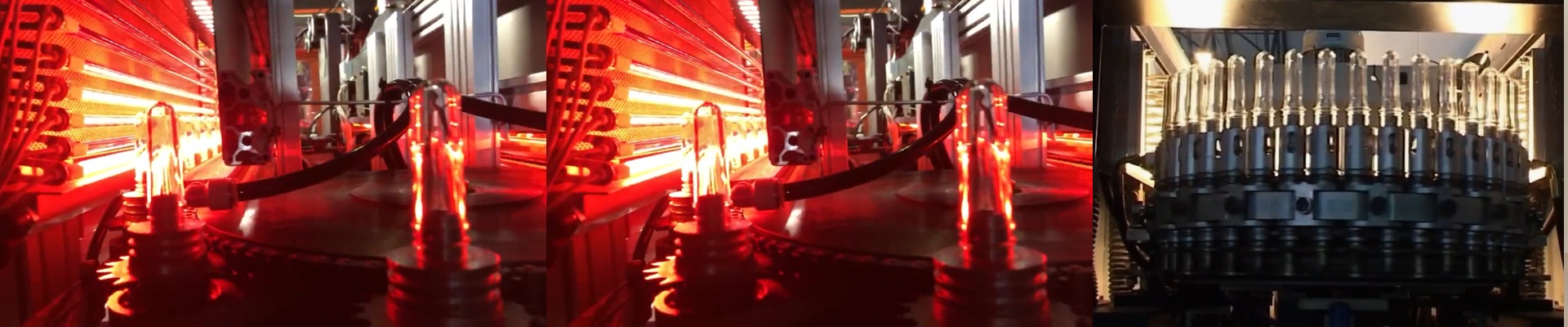
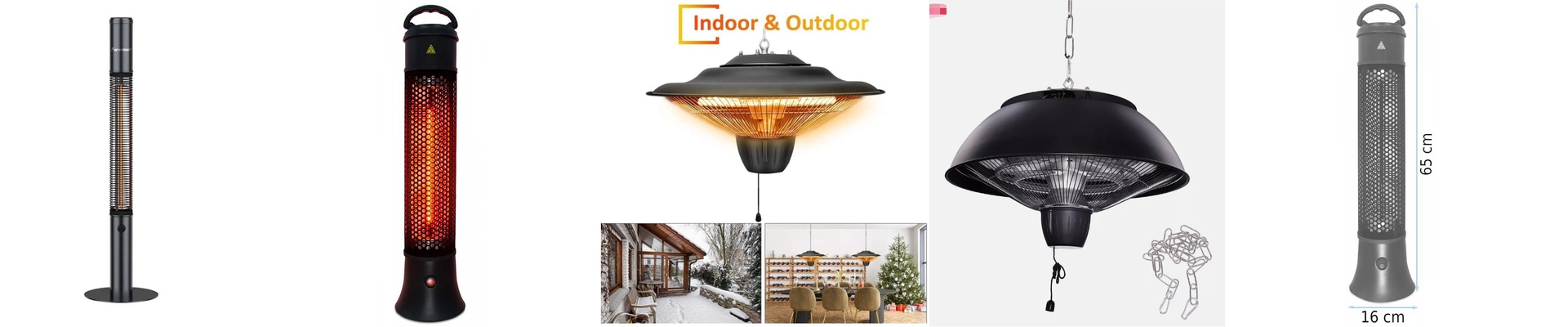
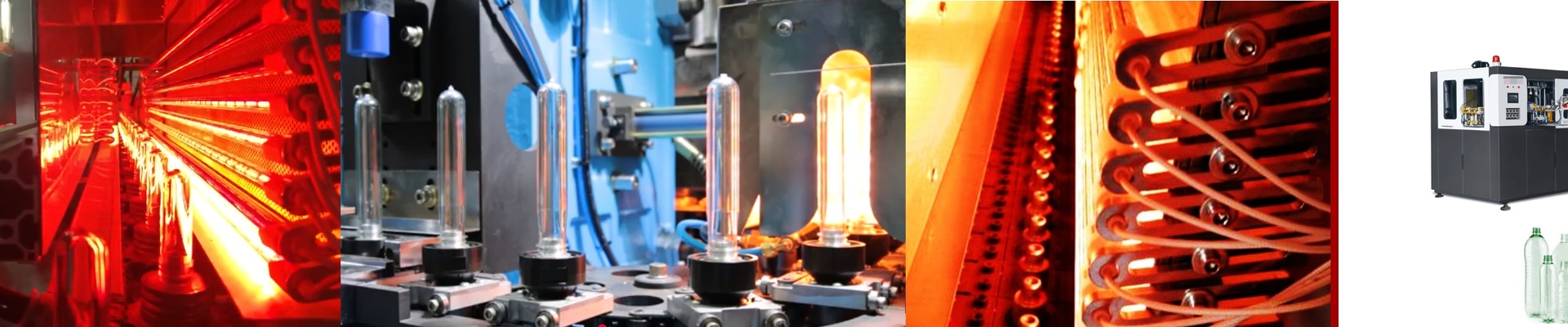

There’s nothing that kills a chilly evening faster than a heater that feels sketchy underfoot. We built this infrared heater to be the opposite: quiet, steady, and warm in a way that feels solid. That starts with how we source and build—recyclable metals, low-halogen components, and housings designed to be taken apart at end of life. We pick the materials before we lock in the assembly, because comfort shouldn’t come with a side of guilt.
What’s actually going on under the hood
This electric infrared heater runs on a carbon fiber element, so you get instant radiant heat—warming people and objects directly instead of pushing air around. Plug it into a standard 120V outlet and you’re set.
For safety, there’s a tip-over protection switch that cuts power the moment the unit tilts past its stable angle. The reflector focuses the heat outward, and the thermostat holds output steady, so you’re not constantly chasing the temperature.
Why this matters in the real world
From raw material checks all the way through packaging, we keep every step accountable—less waste, fewer emissions, without compromising performance. That kind of discipline shows up where it counts: on the patio, in the workshop, or right next to the table.
The infrared warmth feels natural, not forced. And the tip-over protection gives you room to relax—kids, pets, and breezes won’t turn every moment into a watch-party. Energy use stays sensible because the heat goes where you are, not into heating empty space.
Practical setup and use
Put the heater on a firm, level surface and keep the clearances clear. It’s built for outdoor use, but it performs best in sheltered spots where wind can’t strip the warmth away.
It runs off a standard outlet, but if you plan on long runtime, don’t share the circuit with big appliances.
And yes, the tip-over protection is serious—but it’s not a substitute for placement. Keep the heater upright and keep it in sight.