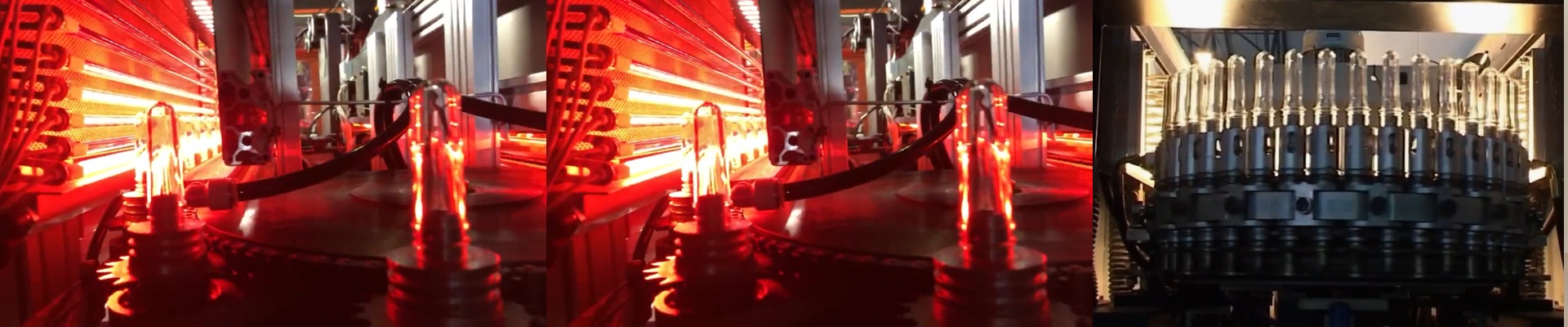
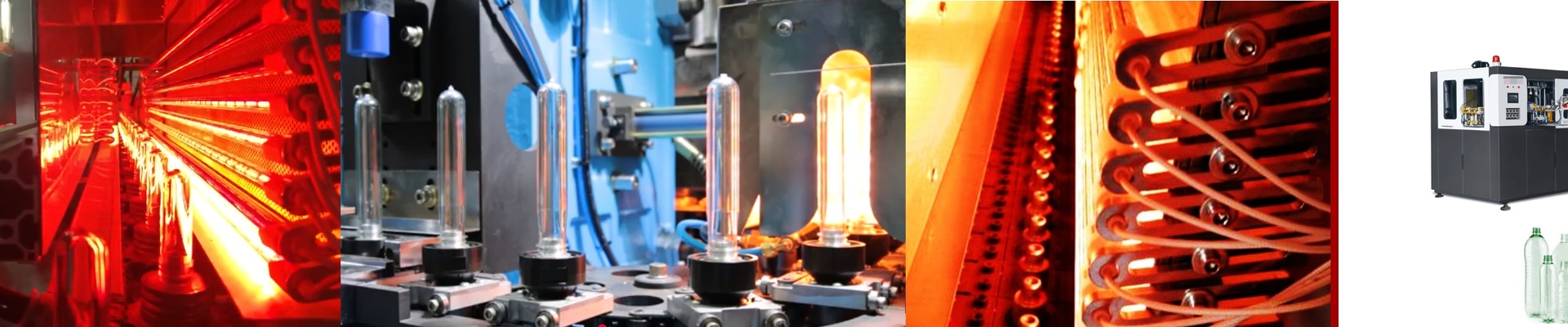
On a Husky HyPET HPP line, the heating tunnel is where the shift either makes sense or falls apart. When the lamps start drifting, you get uneven preform heating, more scrap, and the maintenance crew chasing tolerances. Downtime hits hard, replacement costs and energy use climb, and cycle times slip. We built the Husky HyPET HPP infrared lamp to stop riding that cycle. Here’s what matters under the hood. It’s a direct-fit infrared emitter, engineered to sit inside the HyPET HPP heating system the way it was designed. It runs within the machine’s rated electrical envelope and holds stable output across the preform heating window. The quartz envelope and the R7s connector interface match the OEM footprint, so the lamp seats the same way, every time. Predictable spectral response keeps the heating profile consistent—exactly what you need when you’re holding stretch ratios and wall distribution on tight PET containers. Why it works on the floor. Once it’s in, the wins show up where it counts. Temperature uniformity in the heating tunnel cuts hot/cold bands, so you see fewer rejects from under-stretch or stress whitening. Faster thermal recovery helps you keep scheduling tight through changeovers, and stable lamp output keeps the blow pressure curve consistent from start-up to end-of-run. Energy draw stays under control, and with longer service life under normal operating conditions, lamp changes come less often—fewer stops, fewer spares, and less labor tied up in the heating section. A few shop-floor reminders. Make sure the lamp matches the exact lampholder type and the machine’s voltage and polarity. Keep the reflector clean and aligned; even a small mis-focus shifts the preform temperature spread. Confirm the heating tunnel airflow and cooling are within spec—overheating the lamp shortens life and drifts output. Treat the quartz as a precision component: keep it clean, avoid any contact with oils, and verify locking torque at the connector so the circuit stays solid under vibration.