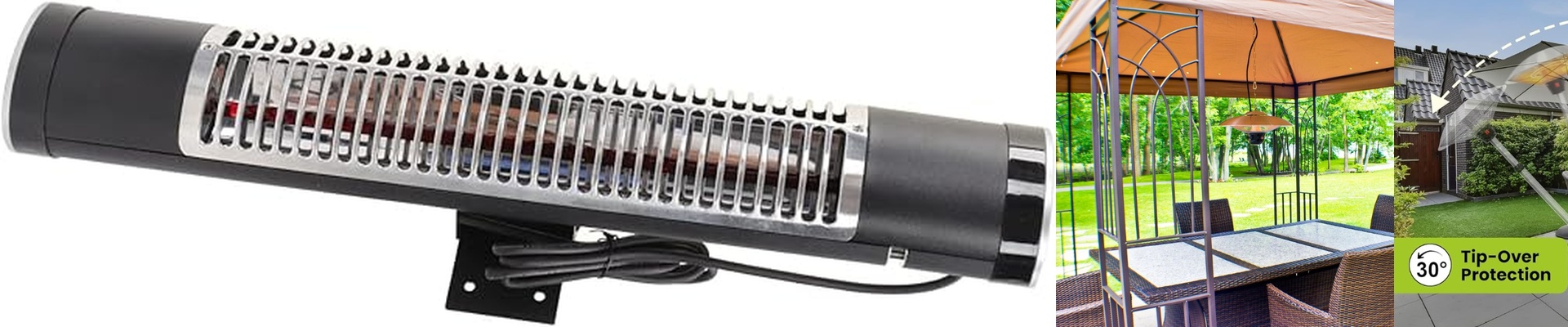
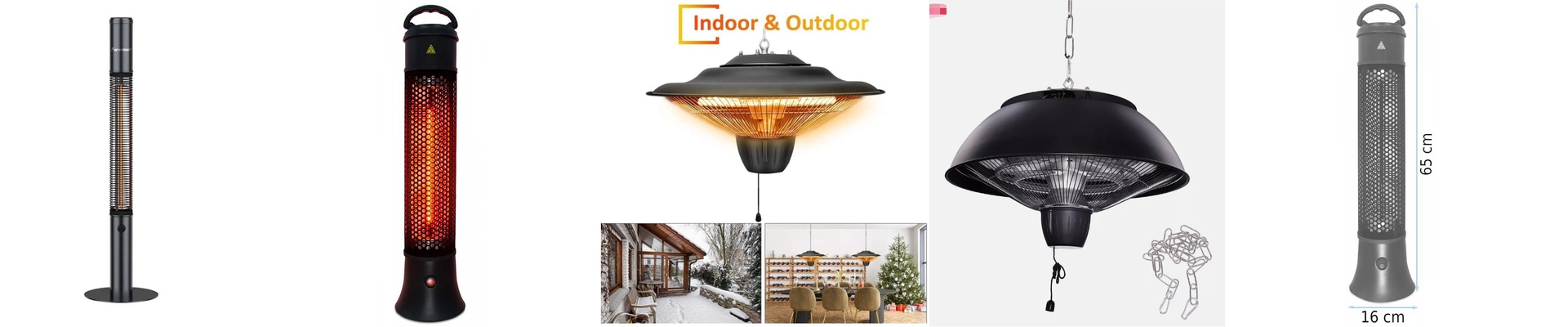
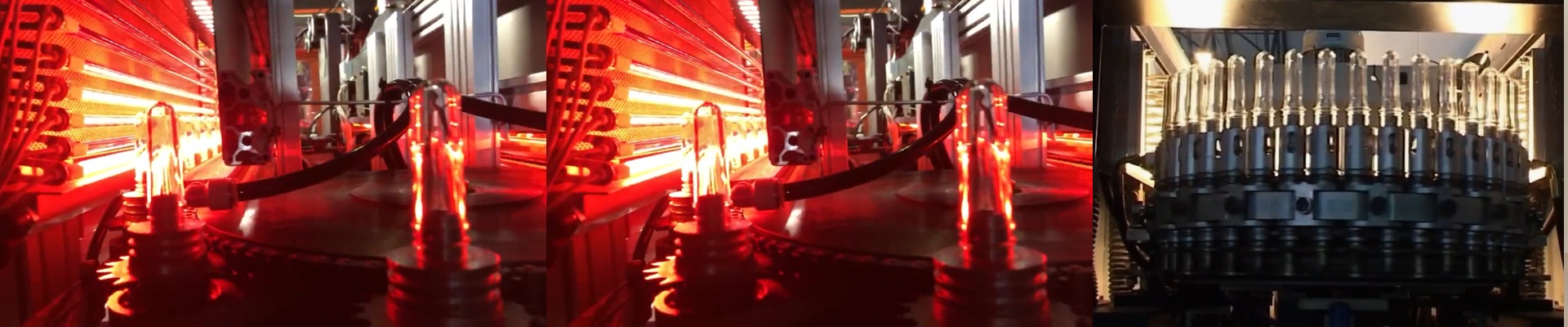
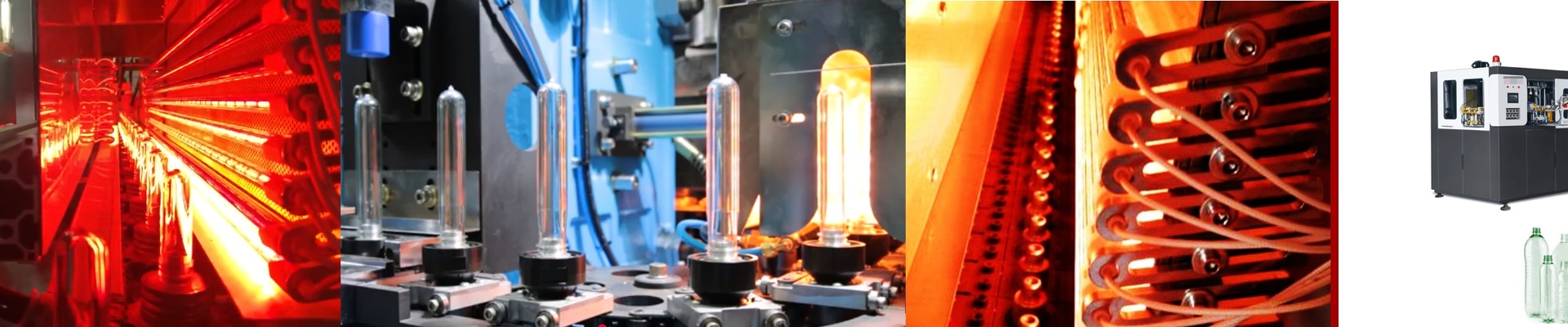
When the infrared tube in your deck oven or rotary oven starts to fade, you feel it right away—things get inconsistent. Ticket times stretch out, crusts lose their snap, and the thermostat starts chasing a temperature that isn’t really there. A weak heating element doesn’t just hurt food quality. It slows service and drives up energy use. What matters under the hood We build our replacement infrared tubes around a quartz envelope and a stable filament that throws fast, directional radiant heat. You can match your oven with standard voltages (120V, 208V, 240V) and common wattages, and the terminal types and mounting brackets fit the footprints you see on typical OEMs. The tube comes up to temp quickly, so the baking chamber recovers fast after door openings, and the output stays steady over time—meaning repeatable bakes and fewer mid-shift temperature swings. Why this matters on the line In a busy kitchen, performance comes down to speed and repeatability. These tubes pull the oven back to setpoint fast, which tightens bake windows and keeps the line moving during the rush. That quick recovery helps you get consistent crust formation and even caramelization across the stone hearth, whether you’re running pizza, flatbreads, or sheet pan items. And because infrared energy targets the product directly, you often see lower energy draw per bake cycle compared with aging coil systems. Before you order—here’s what to check Installation is straightforward, but verify terminal spacing, lead length, and mounting hardware before you buy. Match the wattage to the original spec—over-wattage can make the thermostat overshoot and stress the oven interior. Always power off and let the oven cool fully before replacing the tube, and keep the reflectors clean so the heat goes where it’s supposed to.