
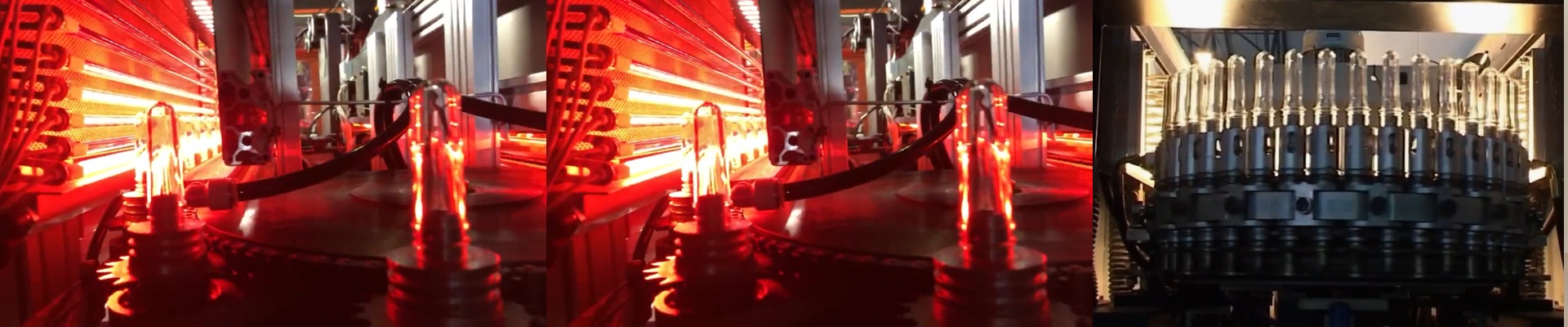
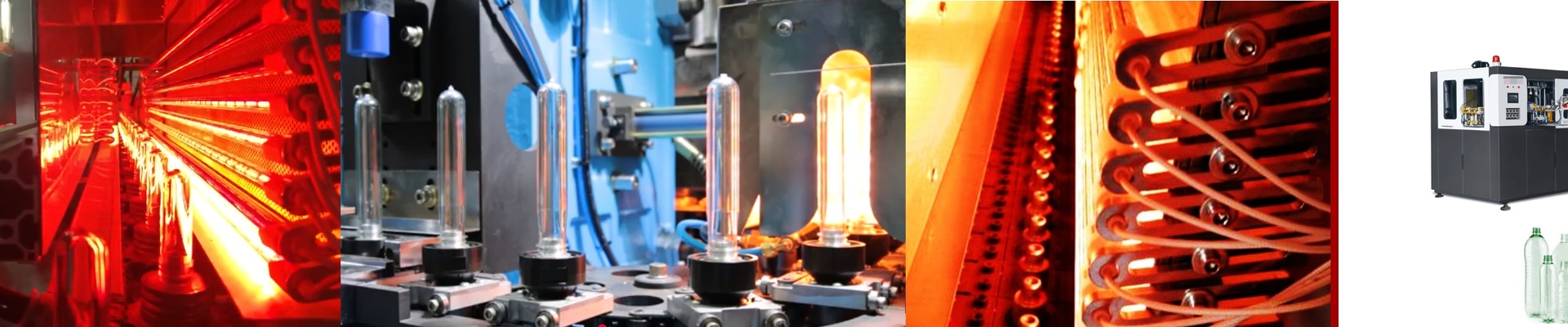
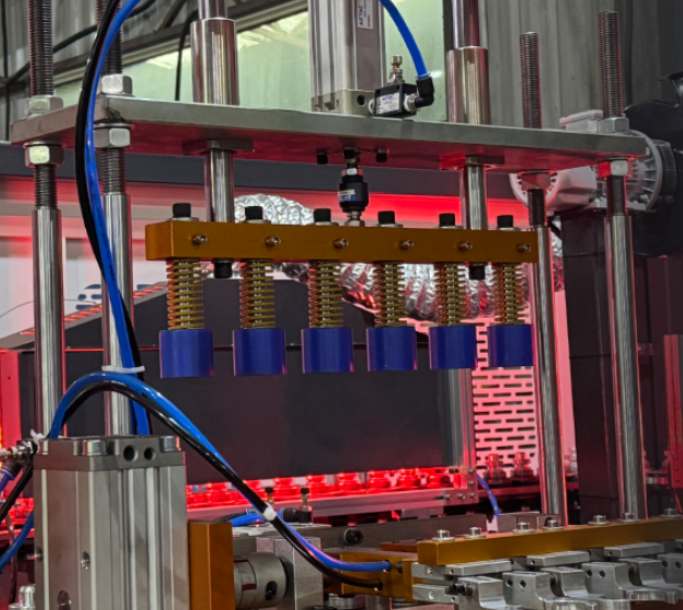
On the blow molding line, the heating tunnel is where the pressure really shows. Preforms roll through, and that temperature window closes fast. If the PET heater is even a little off on voltage, you end up with uneven stretch, crystallized spots, or thin walls. Then quality flags the line, and the shift foreman starts making calls. More often than not, the culprit isn’t the lamp—it’s the voltage regulator feeding it. We built this voltage regulator for PET heaters to match the original specs of mainstream blow molders—Sidel, Krones, SIPA, Husky, and other infrared-based machines—so the heating curve stays exactly as the machine designers intended. No guesswork. No tuning. Just stable power that keeps preform heating consistent, cycle after cycle.
What matters, technically
The voltage regulator sits between the power supply and the infrared emitter. Its job is to deliver stable, repeatable voltage so lamp output stays constant, even when the line fluctuates and the tunnel temperature swings. In PET preform heating, that stability is what buys you consistent wall thickness and fewer rejects.
- Input voltage range: 220–240 VAC, 50/60 Hz, with ±10% line tolerance handling
- Output tolerance: ±2% of set voltage, measured at the lamp terminals under load
- Output current rating: 4–8 A, depending on lamp wattage; sized to match common PET heater loads
- Temperature rating: continuous operation up to 250°C inside the heating tunnel environment
- Connector compatibility: R7s base interface, matching standard halogen/infrared quartz tube connections
- Physical envelope: 150 mm length × 30 mm diameter, designed to fit within OEM mounting brackets and tight spaces
- Efficiency: 96% minimum, cutting wasted heat so the regulator stays cool enough for close-quarter installs These numbers aren’t random. They line up with the electrical and thermal envelopes of original PET heater assemblies across Sidel, Krones, SIPA, and Husky machines. When the regulator matches the OEM parameters, the heating profile repeats the way the machine expects.
Why this works in the real world
Infrared heating in PET stretch blow molding is touchy. The preform surface has to hit the right temperature quickly, then hold there while the parison moves into the mold. If voltage sags, lamp output drops and the preform underheats—then the blow pin hits a hard spot. If voltage spikes, you risk overheating, and you’ll see it as haze, brittleness, and off-spec bottle weight. This regulator keeps the lamp supply in a tight band, so the heating tunnel doesn’t spend its day chasing the power line. In practice, you get:
- Stable preform heating across the full conveyor width, reducing edge-to-center temperature swings
- Predictable lamp life, because voltage spikes and thermal stress are minimized
- Fewer line stops from temperature alarms and quality rejects
- Lower energy draw per bottle, since the regulator wastes less power as heat and holds the set point without overshoot We’ve got units running 5,000+ hours with less than 5% output drop, and field data shows a real reduction in heater-related alarms after replacement. The point isn’t novelty—it’s repeatability. When power to the emitter is repeatable, the process window tightens, and the blow molder runs with fewer interruptions.
The details that matter on install
This regulator is a drop-in replacement only when the machine’s original lamp wattage and connector type match our specs. If the line voltage falls outside the stated input range, or the existing heater draws significantly more current than the regulator is rated for, verify the upstream supply and fuse ratings before you start. Mounting matters. Airflow in the heating tunnel is limited, and ambient temperature is high. Keep the regulator off the hottest sections of the quartz tube, and leave at least 10 mm clearance on all sides for air movement. If space is tight, use the included bracket to orient the regulator so its terminals face away from the hottest zone. And set the output before you call it done. Measure at the lamp terminals under load with a calibrated multimeter, and confirm the voltage matches the lamp’s rated operating point. Once set, the regulator will hold that value—but it has to be commissioned correctly the first time. If you’re running Sidel, Krones, SIPA, Husky, or similar blow molders, the voltage regulator for PET heaters isn’t an accessory—it’s part of the heating loop. Match the OEM parameters, pay attention to heat and clearance on install, and the system behaves like it should: steady, repeatable, and ready for the next cycle.