
Introduction
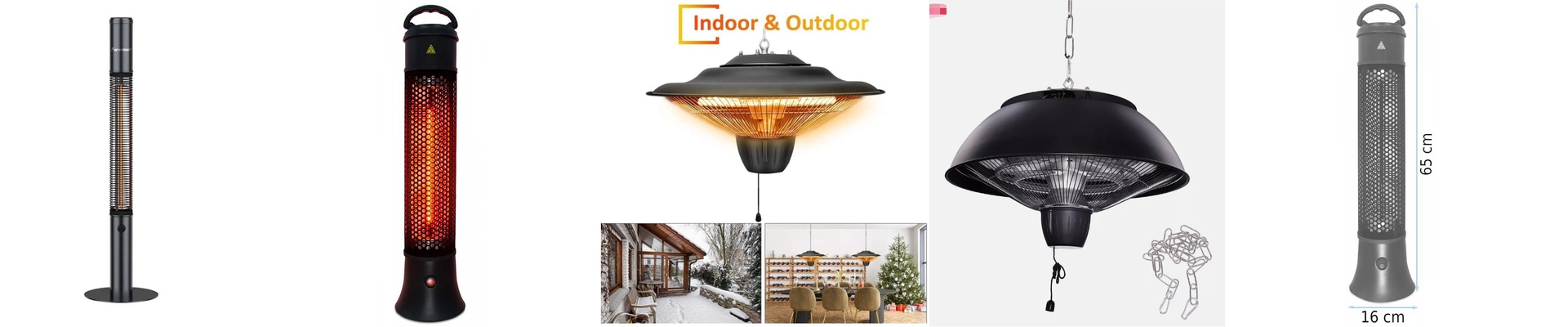
Let’s talk about wall-mounted patio heaters—the infrared kind. The whole point is simple: getting that perfect amount of warmth into the right spot, without going overboard on the equipment. It’s about knowing how the heat spreads, and what your space actually needs.
Power and Setup: Getting It Just Right
Here’s the thing: you’ve got to match the heater’s power to the room. Most wall-mounted infrared heaters come in standard wattages, like 1500W or 2000W, and they just plug into your normal home power. The real trick is figuring out how much heat your space is losing. If you’ve got a north-facing area that’s drafty and poorly insulated, you’ll need a stronger heater to fight that chill. But if your space is snug and well-sealed, you can get away with a lower wattage and still feel toasty. It’s not just about the total wattage though. It’s about how the heat is delivered—right down to the floor and the people sitting there, instead of just warming up the air.
What’s Inside: The simple, Tough Design
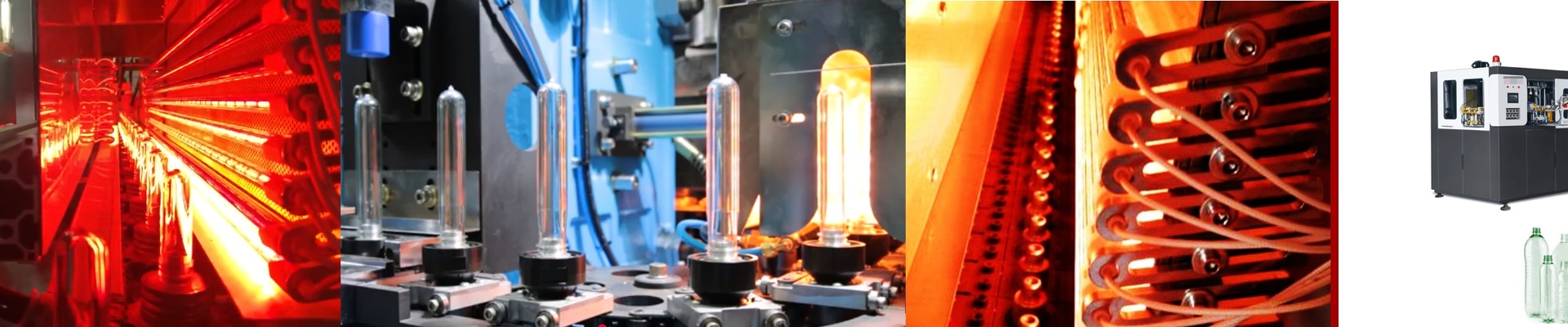
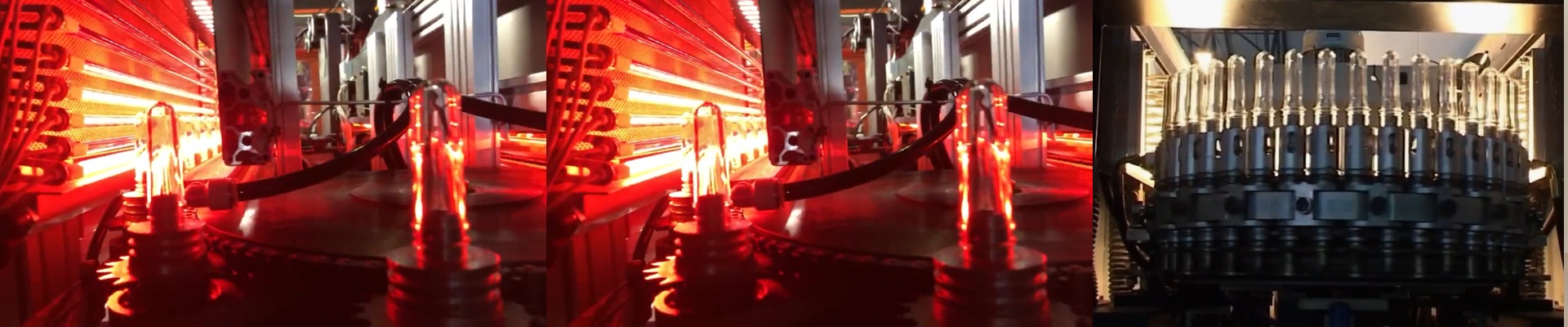
Infrared heaters are built around a quartz tube with a halogen element inside. The quartz tube can take the extreme heat without cracking, and that halogen gas inside lets the filament burn hotter and brighter. That’s what gives you that shortwave infrared warmth that heats objects directly. And those connectors—the R7s type or similar two-pin designs—are made to handle the heat. They’re built to stay tight and secure, even as the tube heats up and cools down over and over again. It’s a straightforward, tough design, built to take a beating.
Putting It to Work: The Pros and the Trade-offs
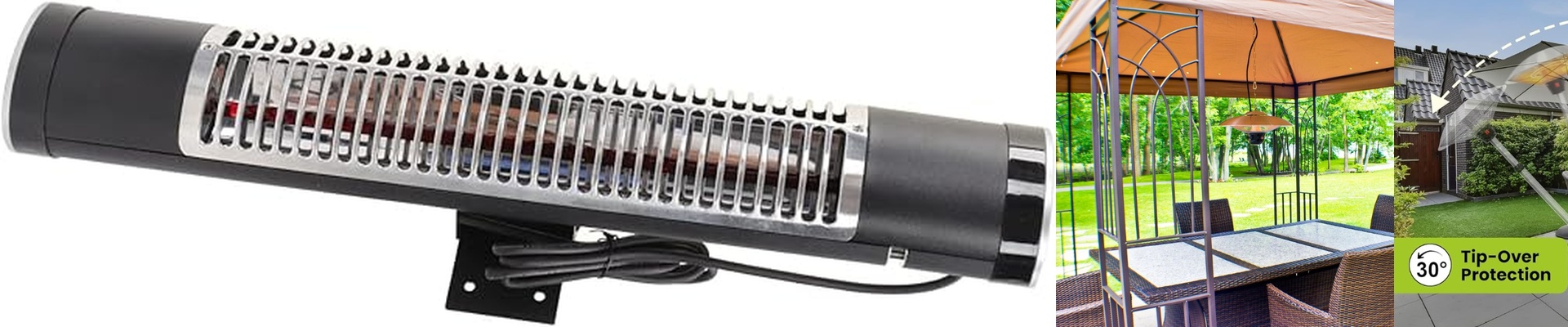
Mounting these on the wall is a smart move. You save floor space, and you get the heat pointed exactly where you want it—downward. And the best part? The heat is instant. No waiting around for it to warm up. But there’s a trade-off to keep in mind. A high-power unit, like a 2000W model, throws off serious heat, but it also pulls a lot of current. That means your wiring and circuit breaker need to be up to the job. If you get a heater that’s too powerful for a small, well-insulated space, you’ll end up with hot spots and higher energy bills. On the flip side, if you get one that’s too small, you just won’t feel warm enough. The goal is balance—matching the heater to the actual heating needs of your space.