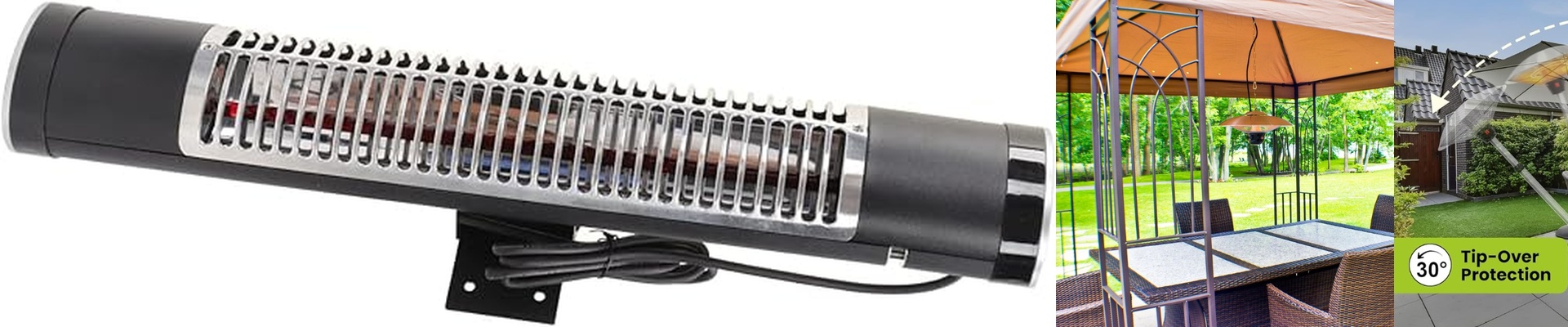
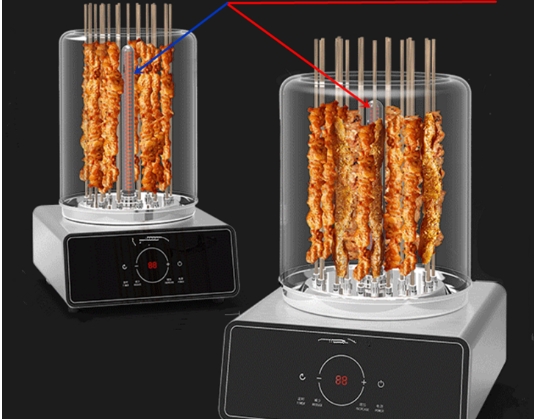
In a busy bakery, the oven floor is where the day’s plan meets the line. Heat lags during the morning rush? Loaves don’t spring, and crusts come out pale. Slow recovery after a door swing? You lose control right when you need it most. We built the carbon fiber thermal element to break that cycle.
What matters, under the hood
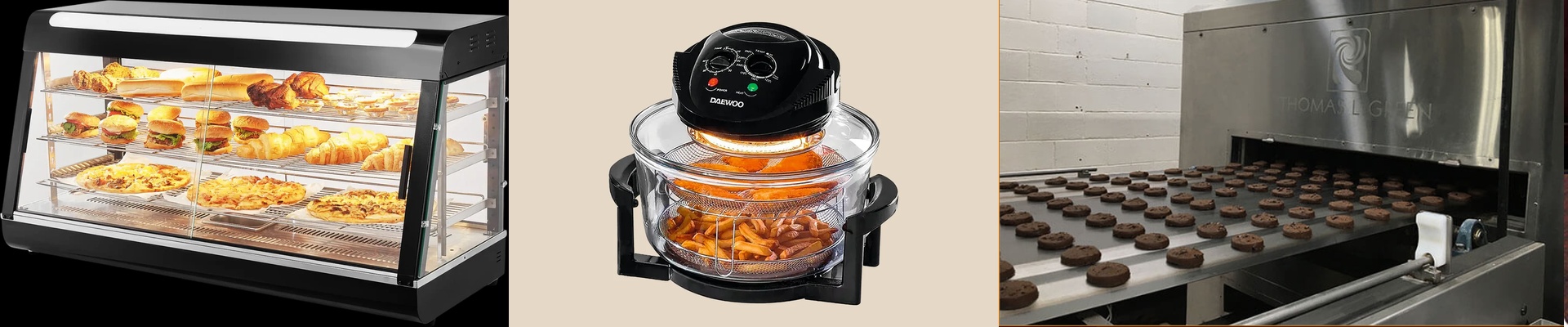
Carbon fiber heating elements throw out rapid, even radiant heat with low thermal mass. The baking chamber comes up fast and recovers quickly after loading. In a deck oven, that means the stone hearth holds steady setpoints. In a rotary oven, the heat spreads evenly—no hot bands, no cold spots. They cover standard baking temperatures, and you can configure them for common voltages and mounting spacing. The upshot is predictable heat. Not guesswork.
Why this matters on the line
Fast heat-up shrinks the gap between oven start and first bake, so production keeps moving. Consistent temperature control gives you even rise and proper crust development—reliable color and caramelization, tray after tray. Because the element runs efficiently, you use less energy per bake cycle while holding stable conditions through long runs. Fewer temperature swings also mean fewer scrapped batches and less rework when the line is packed.
The details you need to get right
Carbon fiber elements perform best when they match the oven cavity size, airflow pattern, and thermostat response. Installation needs proper clearance, secure termination, and compatible wiring and connectors. Mismatched controls will shorten service life. Bring in a qualified technician to verify voltage, phase, and mounting before you finalize the setup. When everything lines up, the element runs quietly, cleans up easily, and supports the steady output your kitchen counts on.