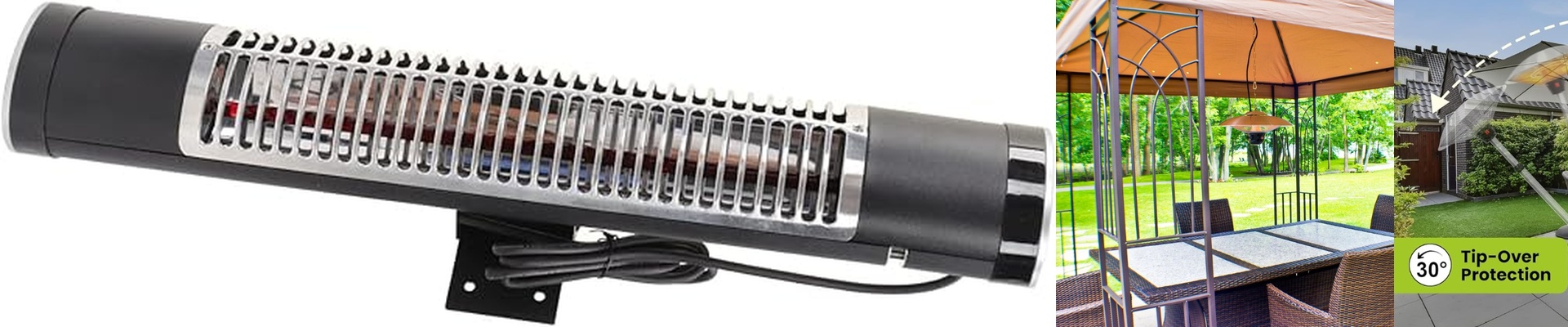

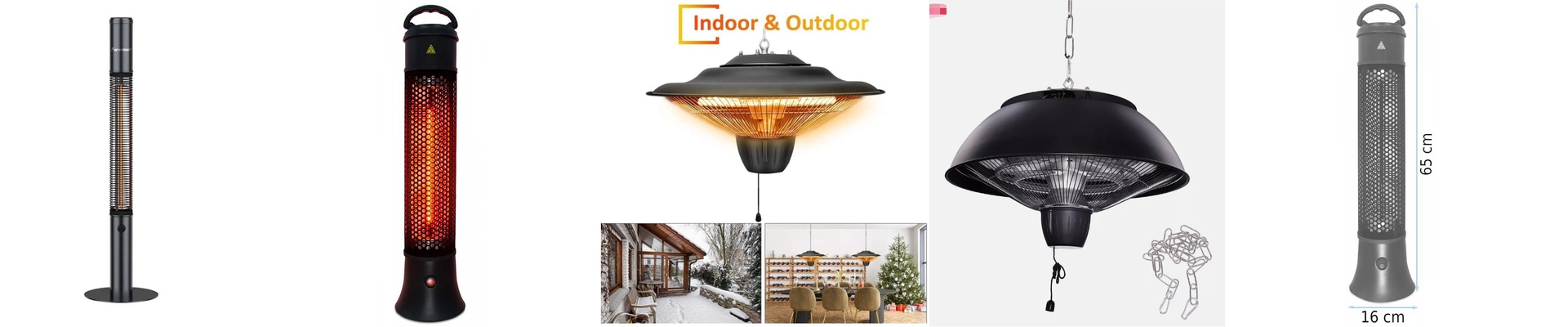

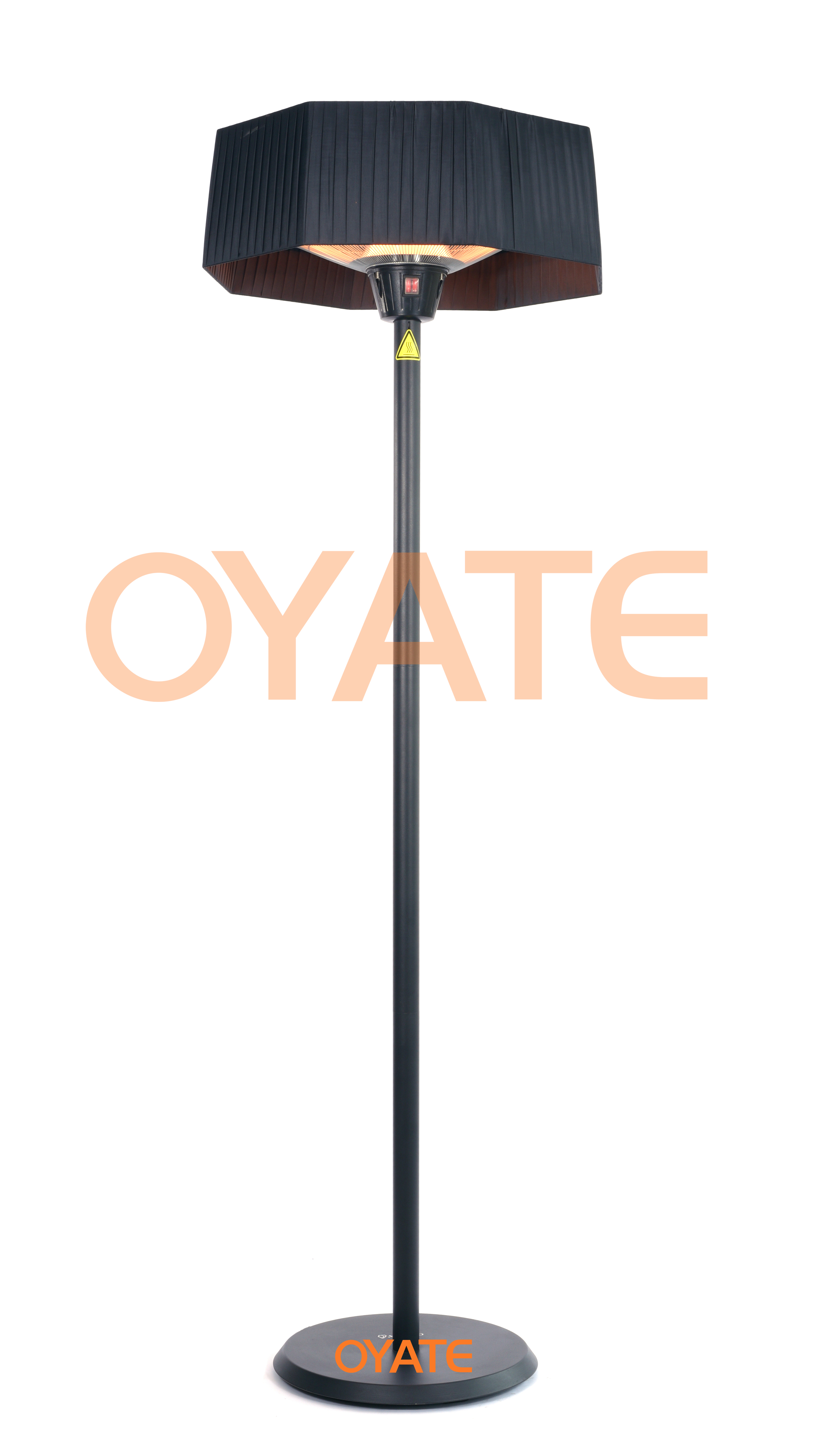
Step outside on a cool evening and the air bites—until you flip on an infrared patio heater. The warmth hits fast, wrapping you in a steady glow that feels more like a spring afternoon than a chilly night. No waiting around. No drafts. Just immediate comfort.
What actually matters, technically
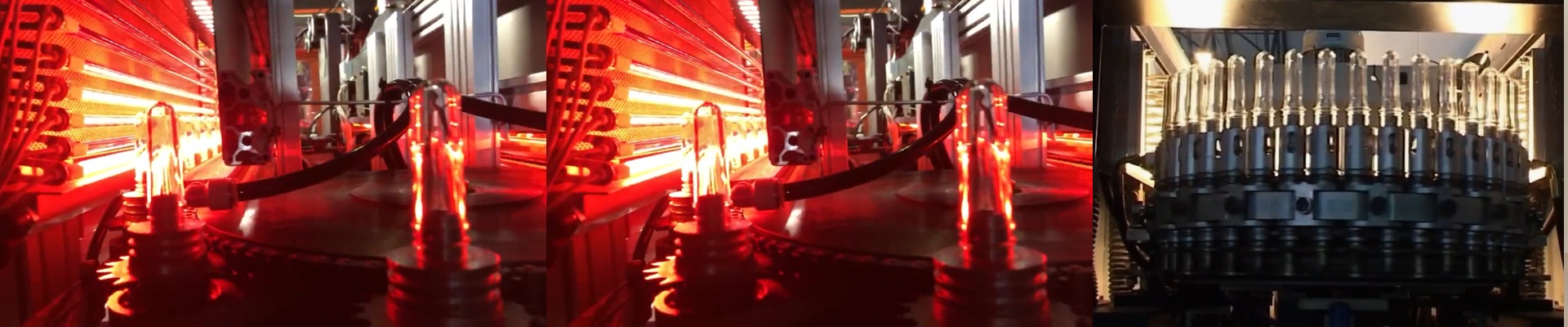
Infrared patio heaters work on radiant heat, not convection. They warm people and objects directly, instead of trying to heat all the air around them. Inside, you’ve got a solid quartz tube or a carbon fiber element turning electricity into short- or medium-wave infrared energy. The heat travels fast—think line-of-sight—so it reaches your skin and furniture within seconds. Many models plug into standard 120V or 240V outlets and run between 1,500W and 5,000W, with an adjustable thermostat so you can dial in the comfort. For outdoor use, check the IP rating to confirm it’s built for exposure. And don’t overlook the basics: tip-over protection and an overheat cut-off are the kind of safety features you want to see in any electric heater.
Why this approach works outdoors
On a patio, deck, or in a three-season room, the problem is straightforward: cold air pushes everyone back inside. Conventional heaters spend energy warming air that just drifts away. An infrared patio heater goes straight after the people at the table—warming bodies and seat cushions first. You feel cozy within moments, conversations stay relaxed, and the evening stretches out naturally. Because the unit warms objects instead of air, the energy goes where it matters. That radiant warmth can even take the edge off cooler nights, and it often feels more steady than air that heats up and cools down quickly.
The things you really need to know
Placement matters. Mount the heater about 6–8 feet above the seating area and angle it to cover the right arc—without shining directly into anyone’s eyes. Keep the surrounding area clear of anything flammable, and even with an outdoor-rated heater, don’t set it near wet surfaces. For best results, add some wind blocking—screens, hedges, or an enclosure. In very breezy spots, you may need to step up to a higher wattage model to keep the comfort consistent. Instant warmth. That’s the point of infrared patio heating.