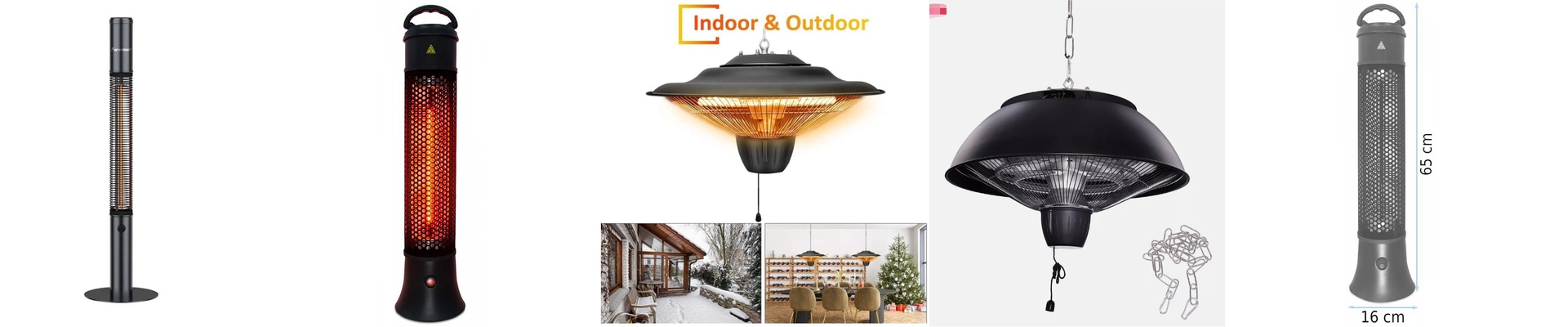
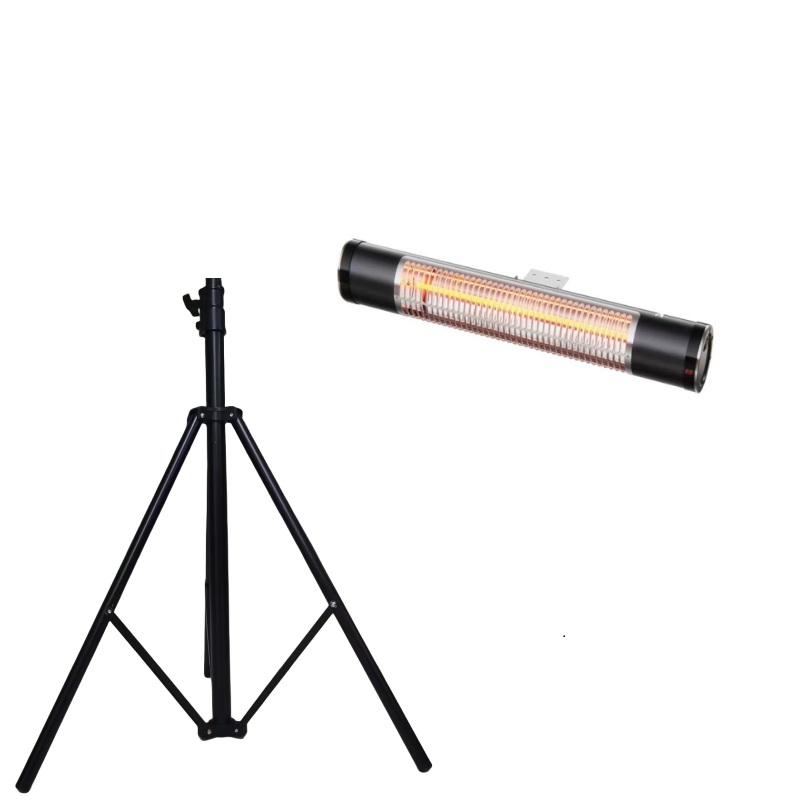
Step outside on a crisp evening and flip on the patio heater. Those first few seconds tell you more than any spec sheet ever could. A proper carbon fiber outdoor heater fires up almost instantly, throwing a clean, even glow that shows what’s inside is pure. A lag, a flicker, or a patchy color? That usually means filler materials and carbon that isn’t up to snuff.
What matters under the hood
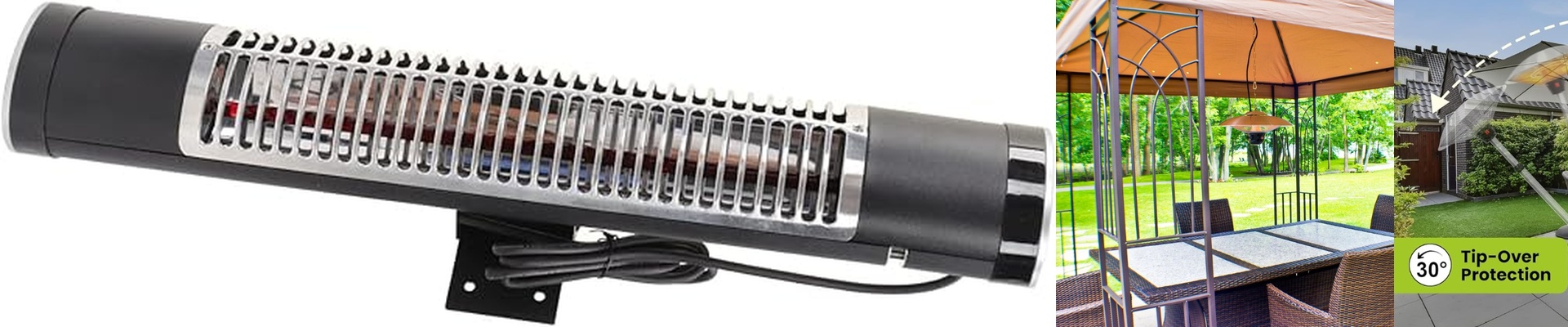
The carbon fiber heating element is the heart of the unit. It’s chosen for stable resistance and quick response. Compared to coil-based electric heaters, carbon fiber delivers infrared warmth that travels straight to people and surfaces, not the air. You feel the heat within seconds, and output stays steady because the element holds its resistance as it heats. Most models run on standard 120V or 240V circuits, drawing 1500W to 4000W depending on the coverage you need. Controls are straightforward—plug-in or built-in thermostats do the job. Look for a sealed quartz tube to shield the element from wind and moisture, plus an IP rating that matches exposed patio conditions. Safety basics are non-negotiable: tip-over protection and overheat sensors should be standard.
Why this approach works outdoors
Out on the patio, the point is comfort without waiting around. With a high-purity carbon fiber element, the heater hits full output fast, so you’re not shivering while the system “warms up.” The infrared warmth lands on skin and furniture, keeping you cozy even when the air is cool. Because the heat is directional, energy goes where you need it, which can help keep running costs in check compared to trying to heat the whole yard. Clean performance also translates to fewer hot spots and less uneven color in the tube—signs that usually mean longer life and fewer element replacements.
The practical details
Carbon fiber infrared heaters do their best work when aimed at seating areas, not straight up. For outdoor use, pick a unit rated for damp conditions and keep the power cord out of foot traffic. These heaters deliver comfort fast, but remember: they heat people and objects, not the air. Drafts can still feel chilly. If you want that “sunshine on a cool evening” feel, position the heater so it casts a broad, even glow across your gathering spot.