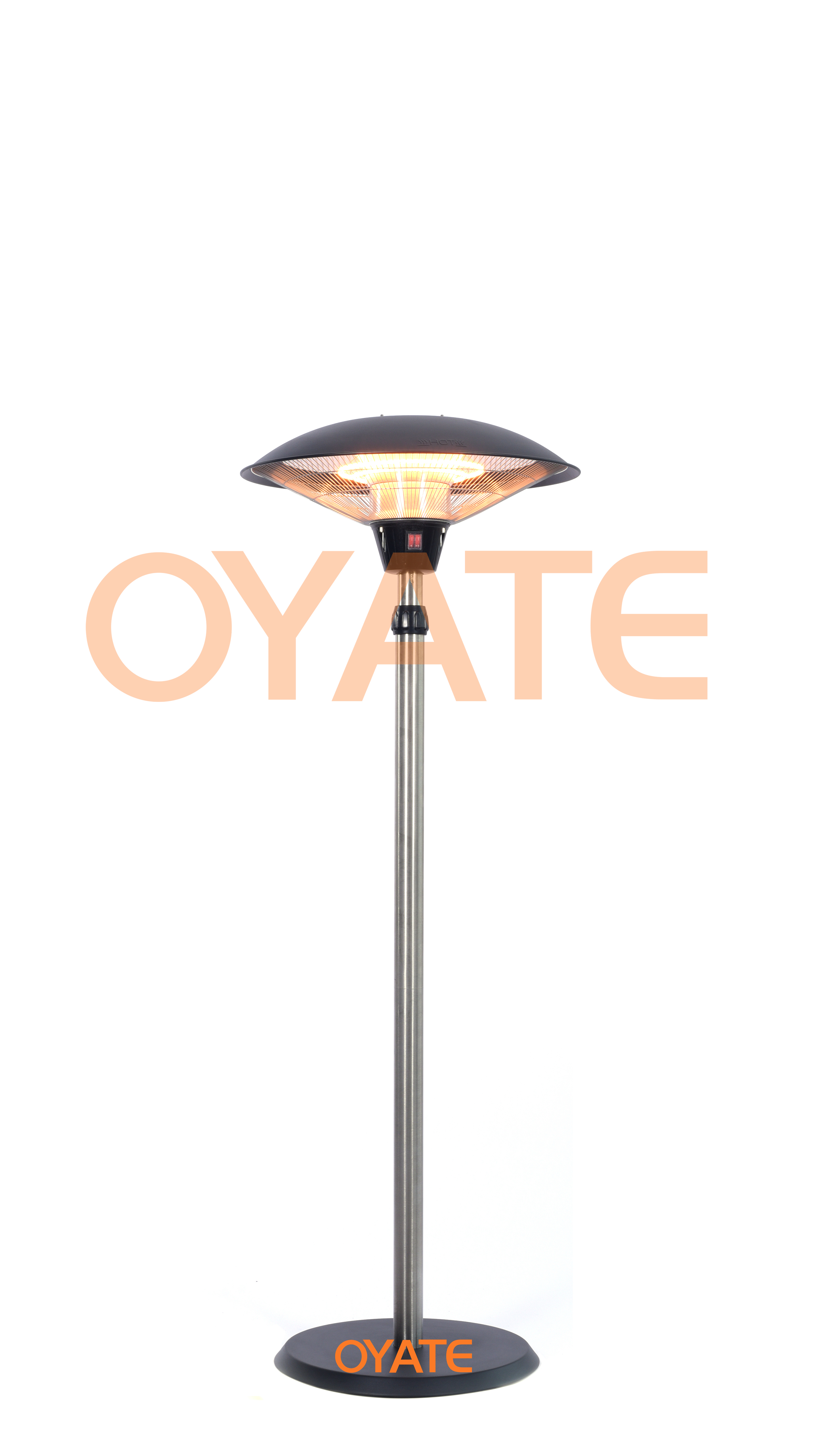
On a job site, the cold isn’t just uncomfortable. It drags work to a crawl. Concrete cures unevenly. Cold fingers make tools harder to control. And safety goes sideways when crews rush just to stay warm. We built our construction site heater to deliver instant infrared warmth where it counts, without adding extra steps or waste to the process.
What matters under the hood
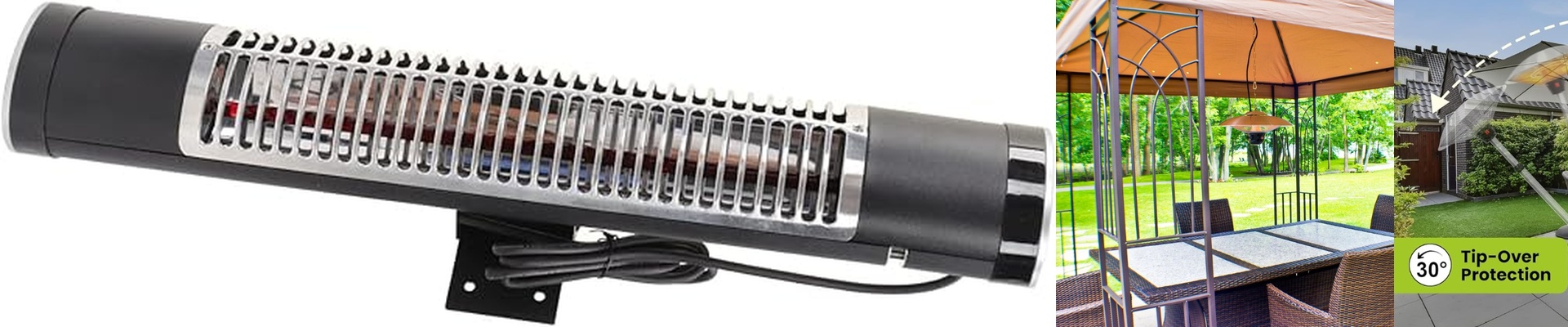
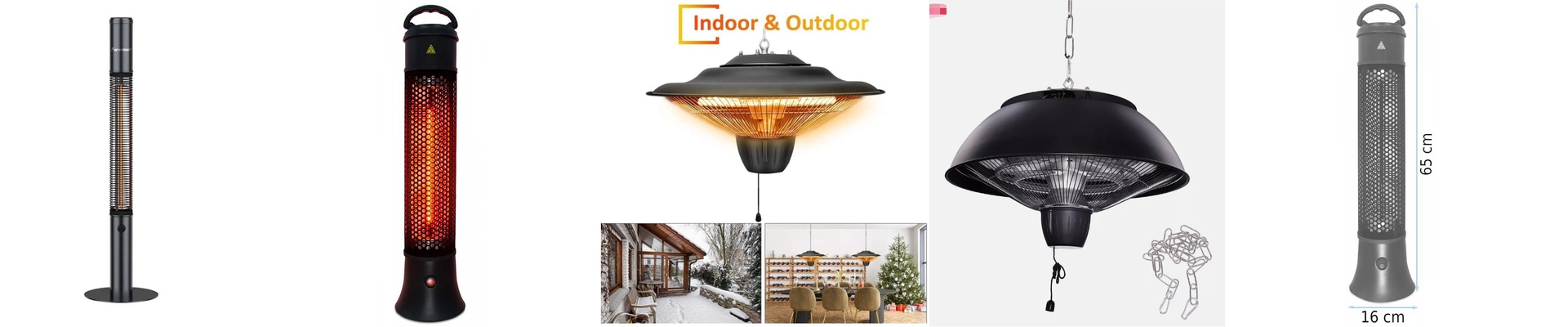
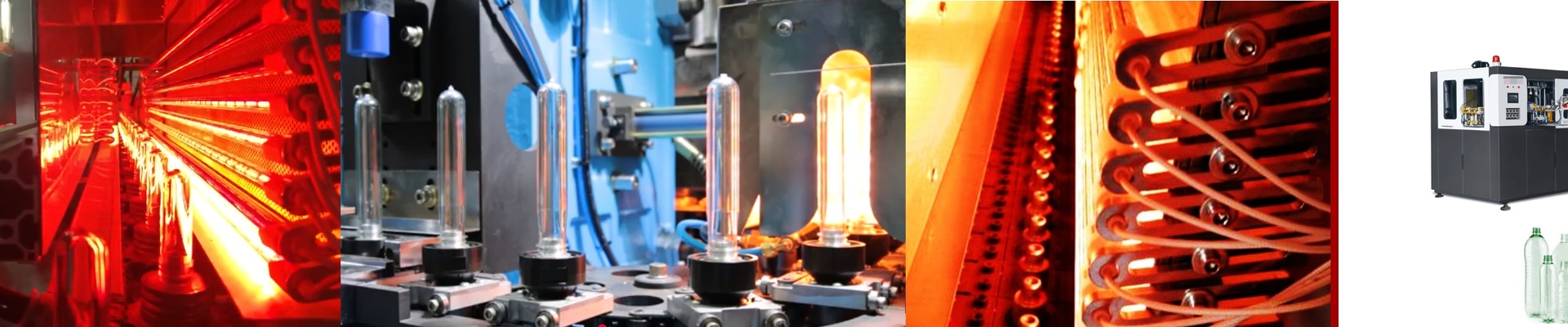
We run short-wave infrared quartz tubes, so the heat is radiant—it travels and hits the target without first heating all the air in between. You feel it on people, materials, and work surfaces, not as a warm blanket on empty space above. The unit is 240V electric, so it’s straightforward to tie into most job-site power. The footprint is tight, which matters because you can place it where forced-air units simply won’t fit. The element and reflector are matched to push output forward, so more of the energy lands where you aim it.
Why it holds up on a construction site
“Green” isn’t just about materials. It’s about using less total energy by doing the job right. With infrared warmth, you heat what needs heating, which helps keep curing and finishing conditions steady. That consistency supports quality and cuts down on rework. Comfort stays consistent, so crews don’t have to huddle around open flames. Work keeps moving through cold shifts with fewer interruptions. And because it’s electric, there’s no fuel storage, no odor, and no local combustion byproducts on site.
What to watch for in the field
Radiant heat works best with a clear line of sight. If something blocks the path, coverage drops—so placement is half the battle. The quartz element is tough, but it does best when kept dry and out of direct rain. An outdoor-rated enclosure helps, but it’s not a substitute for smart positioning. Plan the layout early, and you’ll get steady warmth with far less guesswork.