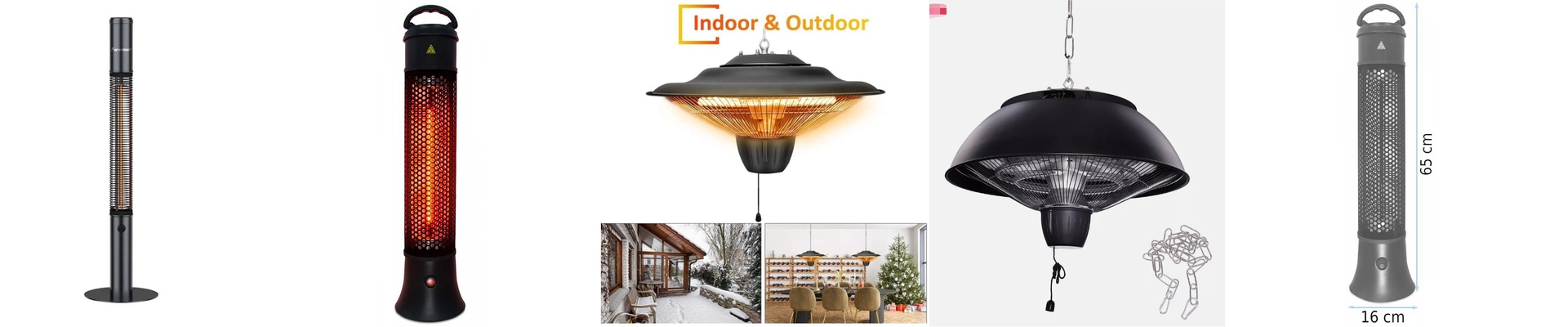
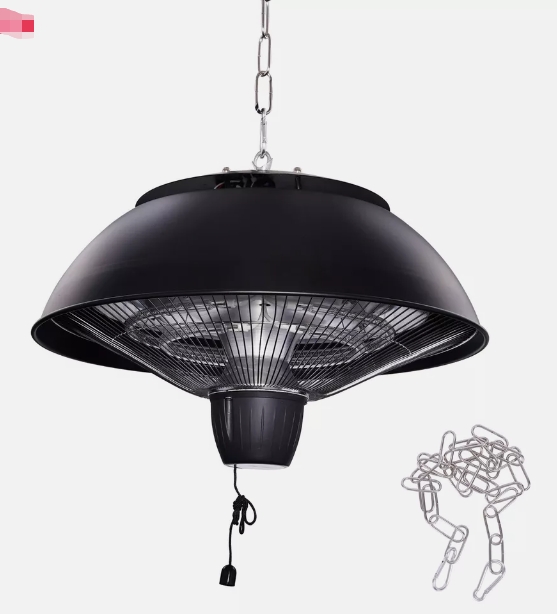
On a warehouse floor, heat that just hangs in the air is heat you pay for but never feel. High roofs and doors that keep cycling make conventional heaters chase warmth straight up, leaving workers in coats and the energy bill climbing. We built our outdoor radiant heater for that exact headache, using directed infrared warmth to put comfort where people stand, not where the thermometer happens to read.
What matters under the hood
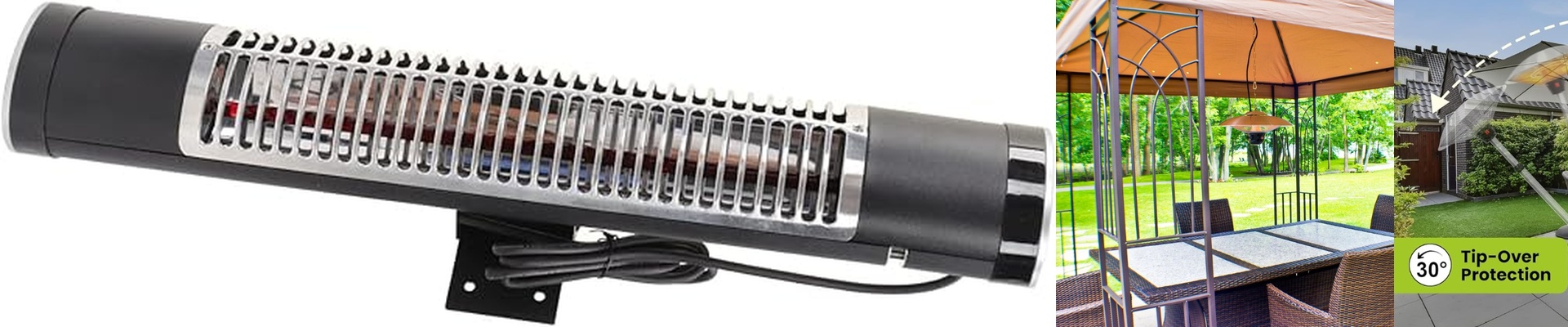
Our outdoor radiant heater runs a high-output infrared element that throws heat in a focused beam, a lot like sunlight warming a surface. Instead of heating air that immediately stratifies, it warms people, equipment, and the floor directly. The payoff is a real bump in comfort at workstation height, even when the overall space stays cooler. The unit is built for industrial duty: solid housing, sealed electrical compartments, and a clean electric design that runs quiet. A built-in thermostat keeps output steady, so you get consistent warmth without overshooting.
Why this works in a big, open space
In a large warehouse, the goal is simple: get warmth to workers without wasting energy on empty aisles. Because the heat is directed, people feel it the moment they step into the zone. That means fewer breaks spent warming hands, smoother workflow, and less idle time waiting for the space to feel comfortable. Energy use drops because you’re not fighting the whole volume of air—you’re heating the areas that matter. For managers, that shows up as lower operating costs and a heating approach that’s easier to control and predict.
The practical details that make the difference
Directed radiant heat does its best work when the beam has a clear line of sight to the target area. Keep obstructions out of the way—stacked pallets can cast shadows—and position the heater so warmth lands on workstations and walkways. Installation is straightforward, but placement is everything. Mount at height and set the angle to match the workflow. One real-world note: radiant warmth feels immediate, but it won’t warm distant corners of the warehouse.Plan the layout around where people actually spend their time, and you’ll get the most comfort for every watt.