Making Winter Pay: How New Halogen Infrared Heaters Turn Open-Air Spaces into Profit Machines
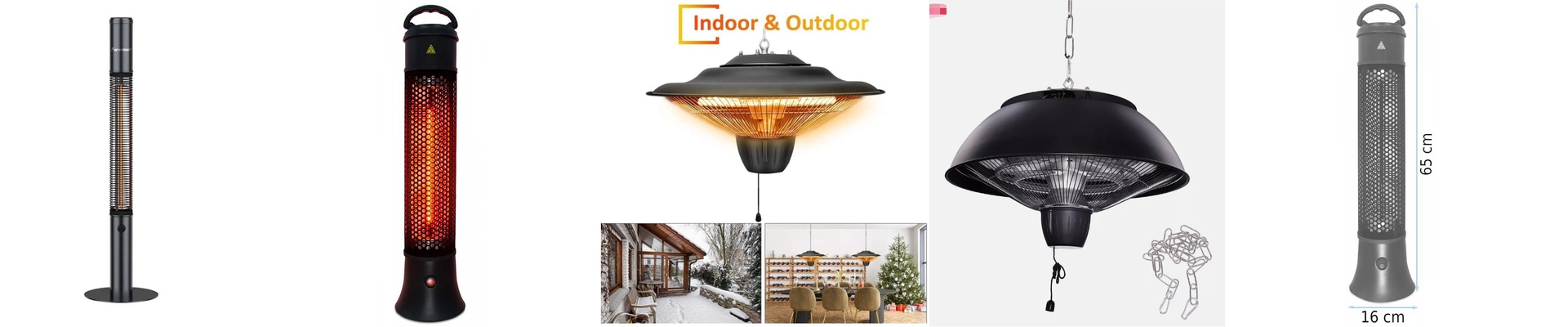
Let’s talk winter dining. The kind where the air bites, and every empty chair is a quiet alarm bell. We built this new halogen infrared heater to face that reality head-on. Its whole reason for being? Delivering fast, focused warmth that keeps people seated longer—and gets tables turning faster when the cold hits. Forget trying to heat the whole atmosphere. This isn’t about warming air that just runs away. It’s about warming people and surfaces directly, right where they are.
Power, Voltage, and a Footprint That Makes Sense
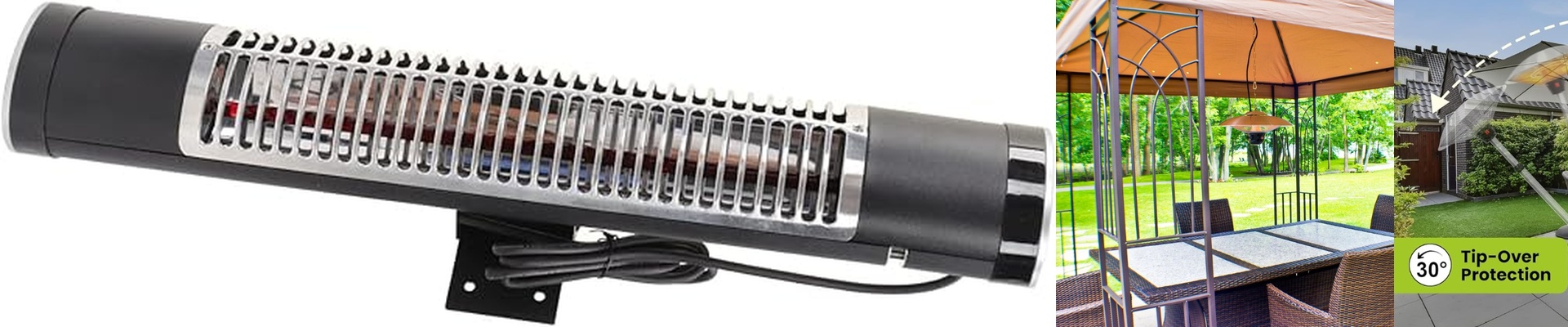
Here’s the setup: serious heat in a small footprint. We’re talking 2500W, running off a 400V commercial circuit. That voltage is standard in many commercial spaces, so you can run high-wattage heaters without tripping over standard 230V lines. And the heater itself? Just 300mm long. That compact size is intentional. It stays out of the way, keeps sightlines clear, and doesn’t crowd the customer experience. You get a lot of heat from a tidy package.
The Build: Halogen, Quartz, and a Reliable Connection
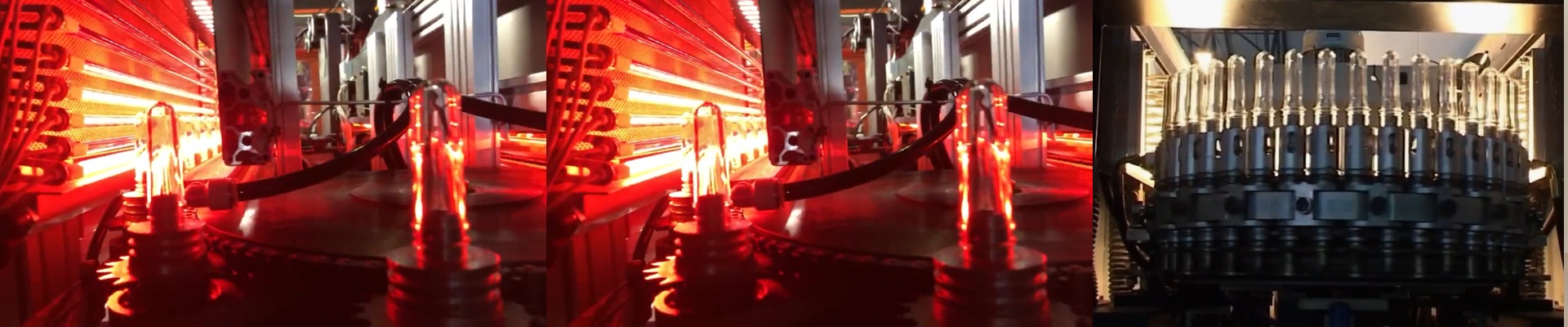
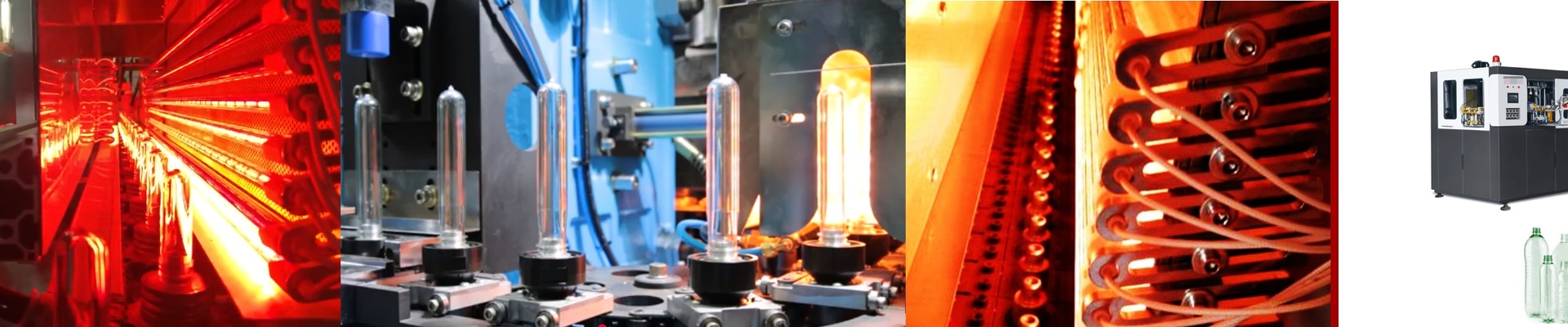
Inside, you’ve got a halogen-filled quartz tube doing the work. The halogen gas helps keep the element clean through a chemical cycle, so it resists blackening and holds steady output over time. The quartz tube is tough, too—it can handle the shock of going from freezing to full heat without cracking. And for the connection? It uses an R7s connector, the standard for this kind of linear tube. It’s a solid, two-point fit that handles the high current safely. Installation becomes straightforward—drop it in, secure it, and you’re set.
Why This Works for Open-Air Spaces
Open-air dining means one thing: heat escapes fast. So this design delivers radiant heat that goes where you need it—directly onto tables and guests—creating a warm little bubble. People feel comfortable almost immediately. That comfort changes behavior. They stay longer. They come back more often. And that translates into winter revenue that doesn’t rely on luck. Now, it’s powerful, so you do need to plan. Give it proper mounting clearance. Match the electrical circuit to the load. Line up the layout with the heat throw. Do that, and you get a system that quietly, consistently turns cold outdoor space into usable, profitable space—even when winter tries its hardest.