Introduction
We built the Husky HyCAP heater lamp to be a straight-up, no-fuss replacement for the original. It’s for people who know exactly what they need and don’t want to pay extra for a logo. This thing drops right into HyCAP systems and gets the job done—consistent heat, right where you need it.
The Nitty-Gritty
Under the hood, it’s a quartz infrared heater built for serious heat. We matched the core specs of the HyCAP platform so it can handle those fast heating cycles. The tungsten filament runs hot, generating the infrared power you need. This isn’t a generic bulb. It’s sized and rated for one specific job. The voltage and wattage line up with the system’s electrical needs, so it runs steady. And the length and end-fit? They’re spot-on. It slips into the existing fixture without any messing around.
What It’s Made Of
The heart of this heater is high-purity quartz—not some cheap glass substitute. Quartz can take the shock of rapid on/off cycles without cracking. It stays solid, even when that filament is glowing white-hot. Inside, the tungsten filament is the same grade you’d find in premium industrial lamps, built to last under heavy load. And the R7s connector? It’s the standard for a reason. It’s double-ended, makes a solid electrical connection, and handles the thermal expansion of the quartz tube without coming loose. You wire it up just like the original. It keeps maintenance simple and keeps your machine up and running.
What It Does For You
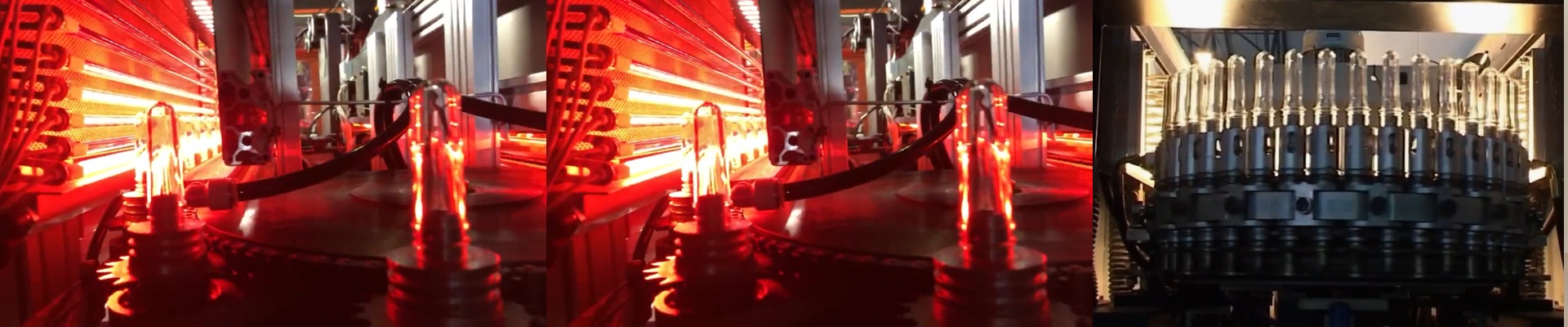
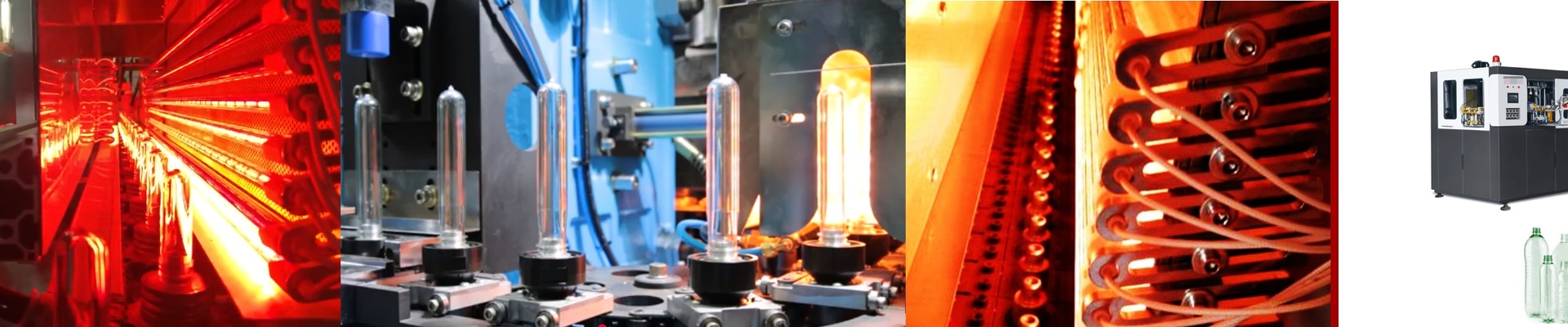
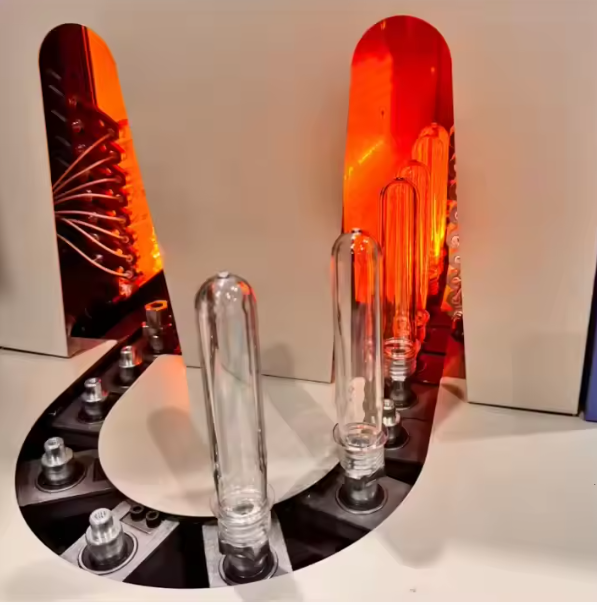
This setup was made for the Husky HyCAP system, where the heating element gets hammered during the PET blowing process. The high-purity quartz and tungsten filament give you predictable heat density, so your bottle forming stays consistent. You get the same materials and performance as the OEM, just without the brand price tag. Now, here’s the trade-off: that high power density means your machine’s cooling system needs to be up to the task. If the ambient temperature climbs, the lamp’s life takes a hit. But keep the heat in check, and this lamp runs dependably. It’s a straightforward, cost-effective way to keep production moving.