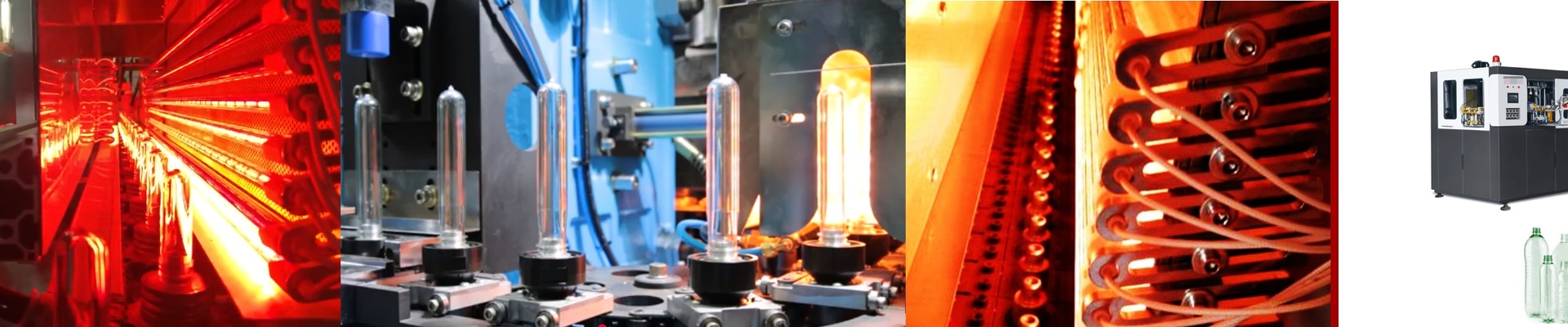
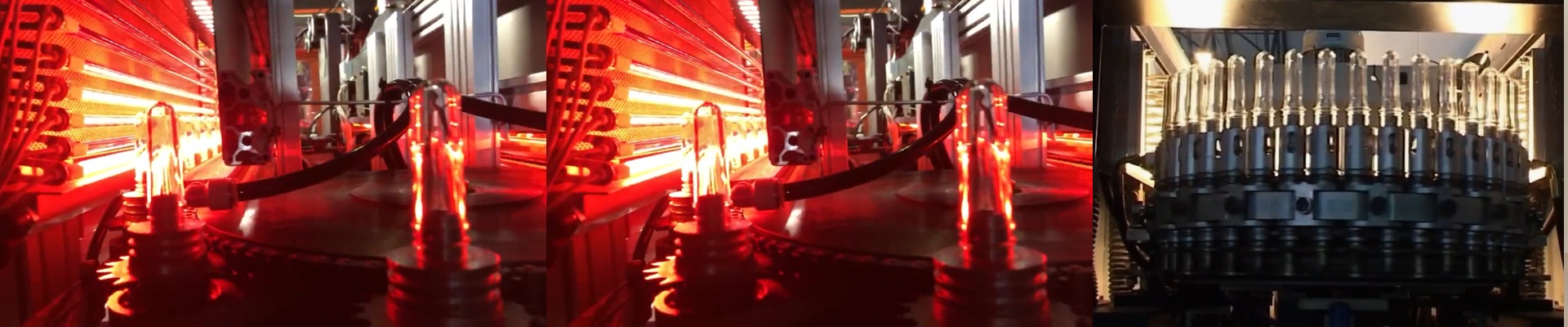
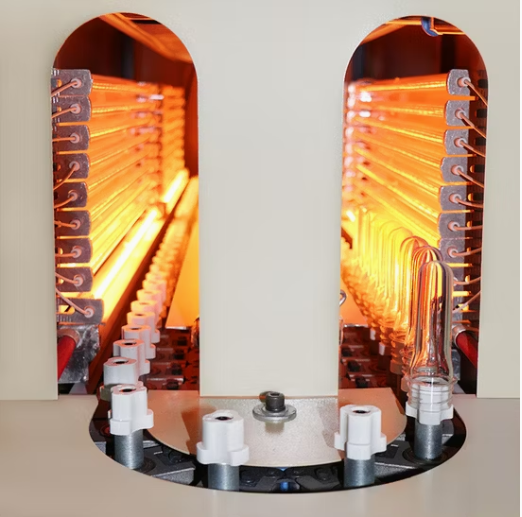
On the blow molding floor, every shift lives and dies by the same tight loop: heat the preform, stretch it, and close the cycle. When the heating tube starts to drift, you’re suddenly chasing uneven wall thickness, short shots, and alarms that stall the line. Lamp changes eat up hours, and the scrap, the energy, the overtime—they add up fast. The part price is one thing. The minutes you lose are the real hit. What matters under the hood We build the Husky PET preform heating tube as a direct-fit for the heating tunnel on Husky stretch blow molders. The core is a high-purity quartz envelope paired with a matched halogen infrared emitter, tuned to the absorption band of PET. It puts the energy where it needs to be, so preforms come up to temperature quickly without scorching the surface. It runs on standard voltage, and the R7s connector drops straight into the OEM socket—no rewiring, no re-engineering of the heating zone. Output holds steady over thousands of hours, and that matters when you’re running 24/7 and can’t tolerate drift. Here’s what that looks like day to day: fewer parameter swings in the heating tunnel, and a repeatable thermal profile bottle after bottle. Warm-up is shorter, you see fewer jams from preforms that didn’t get enough heat, and you cut scrap from crystallization and thin spots. Energy use drops because the emitter heats on demand and keeps its efficiency over time. Most of all, you cut unplanned stops. Fewer lamp-related faults mean more completed cycles per day and less time spent on maintenance. Installation is straightforward, but the heating tunnel is a harsh place. Make sure the reflector and socket are clean and seated squarely—otherwise you get hot spots and uneven heating. Double-check that the voltage matches your machine and that the lamp is positioned right in the focal point inside the tunnel. Quartz is brittle, so handle with gloves, keep oils off, and torque the holder to the OEM spec. Plan replacements during scheduled maintenance windows so the whole line keeps its thermal stability.