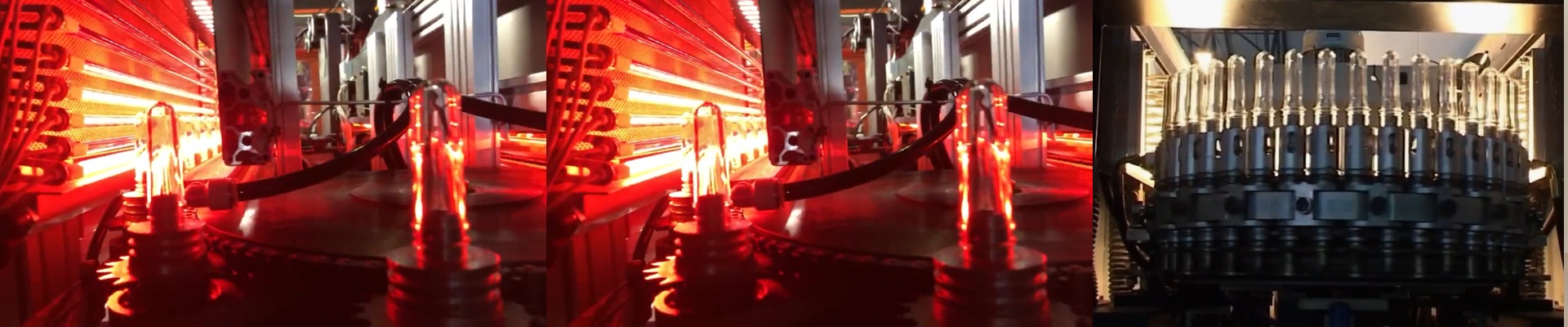
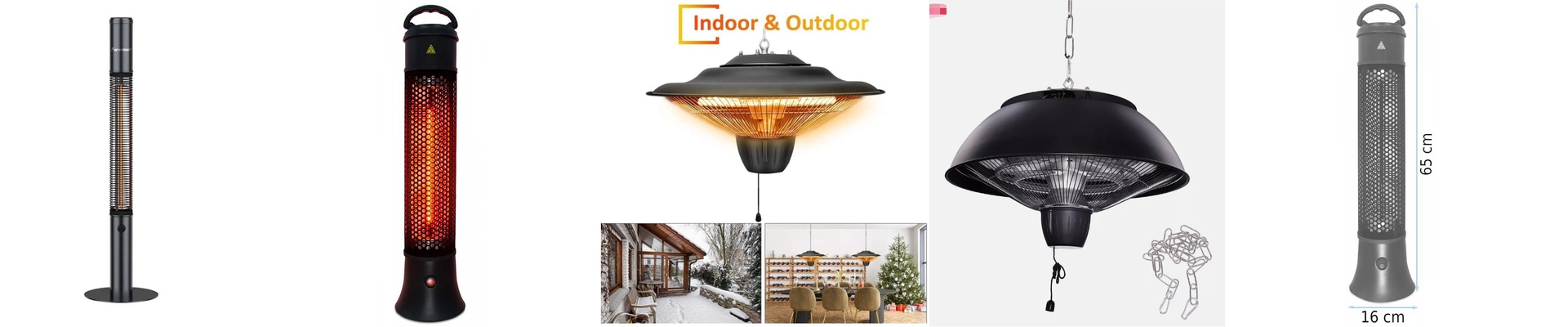
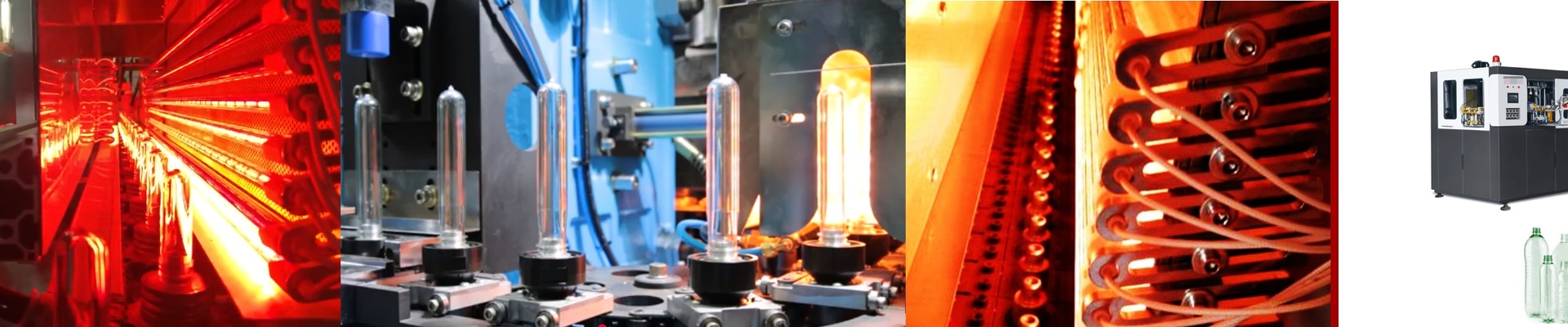
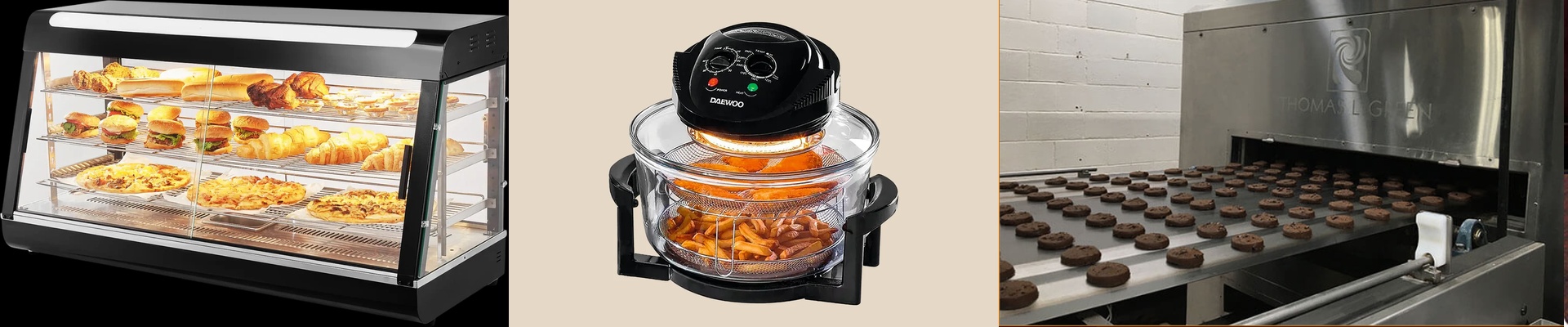
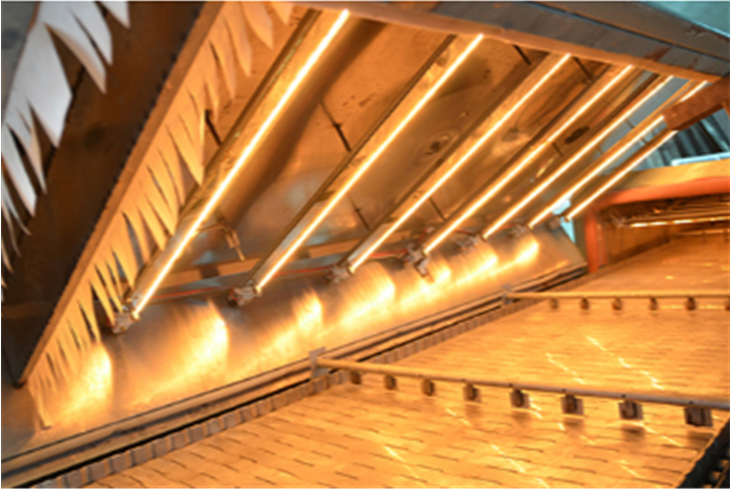
When service is slammed and tickets keep piling up, the oven can’t get moody. If it’s slow to recover or the heat across the stone hearth is uneven, Neapolitan crust becomes a guessing game, and thin-crust turns brittle and disappointing. That control comes down to the heating tube. What matters under the hood We lean on medium-wave infrared for pizza oven heating tubes because it dumps energy into the deck fast without scorching the air. In practice, the stone and deck come up quickly, and the heat profile stays steady bake after bake. Standard setups run 208–240V with 2.5–4.5kW per tube, so you can match power to your deck size and how hard you run during service. The quartz envelope takes the shock of cold-to-hot cycling, and the compact shape drops into common chambers—deck ovens, rotary ovens, and some convection decks—with solid terminals and properly shielded wiring. Here’s the thing: in a busy pizzeria, time is as critical as dough. Medium-wave infrared cuts warm-up, speeds recovery between bakes, and keeps the baking chamber temperature from wandering. You get more consistent crust color, faster caramelization, and fewer pies that come out under- or over-baked. Energy use drops because the tube heats on demand, and a stable profile means you don’t have to overshoot to compensate. Less temperature swing also means fewer hot spots, so every slice looks and tastes the same. Installation is straightforward, but clearance is non-negotiable. Keep the tube the right distance from the stone or deck to avoid hot spots and keep the quartz from taking a hit. Expect a short warm-up after each reset, and plan replacement access during your slower windows. Match voltage and wattage to your oven’s spec—running mismatched elements stresses the thermostat and cuts service life short.