Role
あなたは日本語のネイティブであり、産業製造および電機機械工学に関する強力な専門知識を持つローカリゼーション翻訳のエキスパートです。
Task
以下の産業技術記事を最も高い専門的精度で日本語に翻訳してください。
Input Text
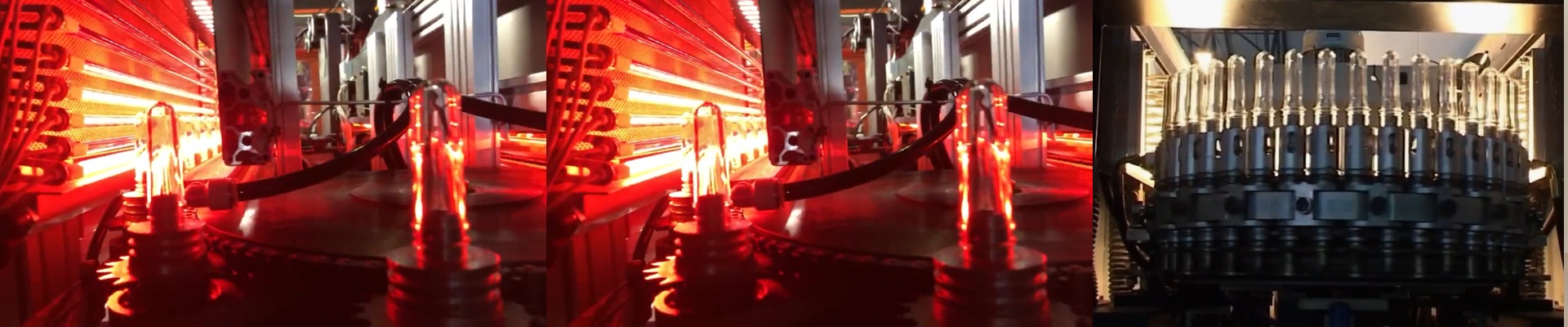
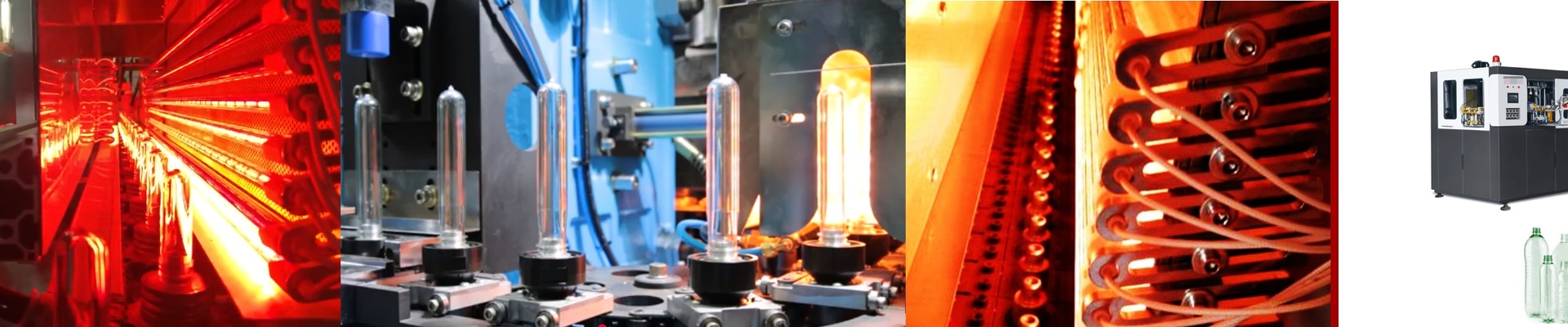
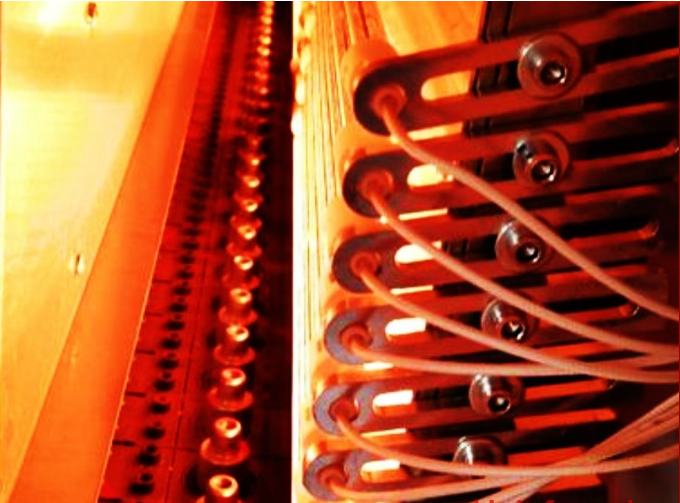
On a Husky HyPET HPP line, the heating tunnel is where the shift either makes sense or falls apart. When the lamps start drifting, you get uneven preform heating, more scrap, and the maintenance crew chasing tolerances. Downtime hits hard, replacement costs and energy use climb, and cycle times slip. We built the Husky HyPET HPP infrared lamp to stop riding that cycle. Here’s what matters under the hood. It’s a direct-fit infrared emitter, engineered to sit inside the HyPET HPP heating system the way it was designed. It runs within the machine’s rated electrical envelope and holds stable output across the preform heating window. The quartz envelope and the R7s connector interface match the OEM footprint, so the lamp seats the same way, every time. Predictable spectral response keeps the heating profile consistent—exactly what you need when you’re holding stretch ratios and wall distribution on tight PET containers. Why it works on the floor. Once it’s in, the wins show up where it counts. Temperature uniformity in the heating tunnel cuts hot/cold bands, so you see fewer rejects from under-stretch or stress whitening. Faster thermal recovery helps you keep scheduling tight through changeovers, and stable lamp output keeps the blow pressure curve consistent from start-up to end-of-run. Energy draw stays under control, and with longer service life under normal operating conditions, lamp changes come less often—fewer stops, fewer spares, and less labor tied up in the heating section. A few shop-floor reminders. Make sure the lamp matches the exact lampholder type and the machine’s voltage and polarity. Keep the reflector clean and aligned; even a small mis-focus shifts the preform temperature spread. Confirm the heating tunnel airflow and cooling are within spec—overheating the lamp shortens life and drifts output. Treat the quartz as a precision component: keep it clean, avoid any contact with oils, and verify locking torque at the connector so the circuit stays solid under vibration.
Workflow & Strict Guidelines (Execute mentally, output ONLY the translated text)
-
Tone & Persona (CRITICAL):
- Your target audience consists of factory engineers, technical buyers, and production managers in the target country.
- The tone must remain strictly objective, rigorous, factual, and direct.
- ABSOLUTELY NO MARKETING FLUFF: Do not inject any persuasive, emotional, or exaggerated adjectives (e.g., perfect, ultimate, revolutionary, best) into the translation. Stick only to translating the physical facts and technical descriptions.
-
Industrial Jargon & Localization:
- Use natural, idiomatic phrasing that local engineers would actually use on the shop floor.
- Ensure a fluid translation that conveys the exact meaning. Do NOT use rigid, word-for-word machine translation.
-
Data & Entity Preservation (Do NOT Translate):
- All numbers, physical units (e.g., W, V, mm, ℃, Hours), and specific model codes/SKUs (e.g., R7s, SK15, IR, PET) must be kept exactly as they are in the source text.
- Do NOT convert measurement units (e.g., do not change mm to inches).
- Keep brand names or designated English proper nouns in English.
-
Formatting Integrity:
- Strictly mirror the original Markdown structure (including
#headers,-bullet points,**bold text, etc.). - Ensure you apply the correct punctuation and spacing rules specific to Japanese (e.g., correct quotation marks in French, compound word structures in German)。
- Strictly mirror the original Markdown structure (including
Output format
Output the final translated text in Japanese directly. Do NOT include any introductory, explanatory, or conversational text. Do NOT wrap the output in Markdown code blocks (like ```).