Keeping People Warm in Wet Zones (Without Blowing a Fuse)
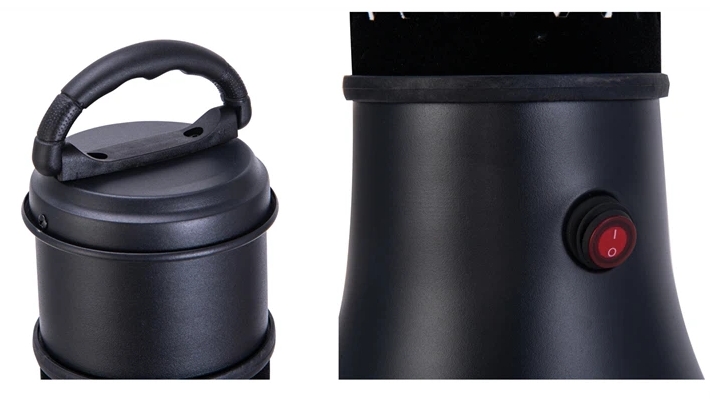
If you’ve ever tried to put a standard heater in a locker room or a wet changing area, you know exactly how that ends. Moisture and electronics just don’t mix. You end up with short circuits and a lot of headaches. That’s why we stick with IPX5-rated infrared systems. In plain English? It means you can practically spray the unit with water from any angle and it’ll keep right on humming along.
Heat that actually hits you
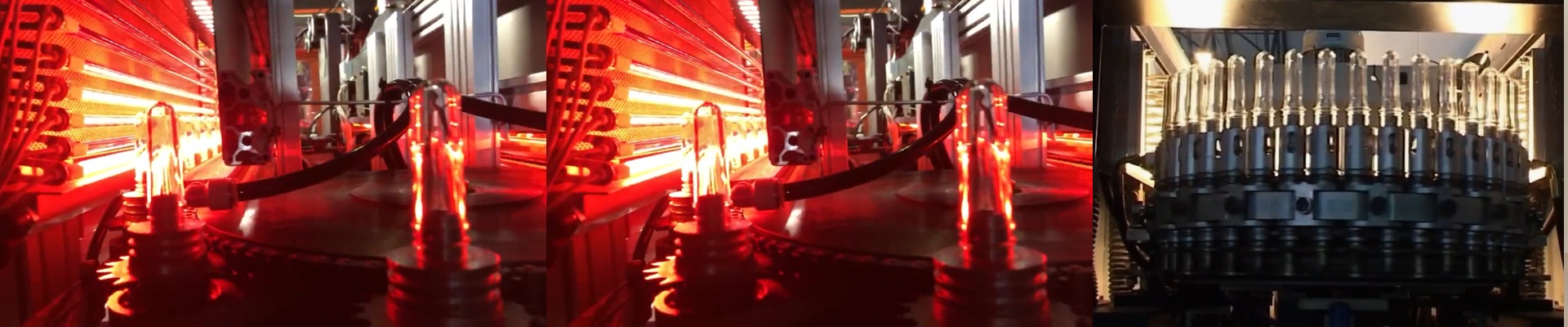
Most heaters try to warm up the air. But in a big, damp room, that’s a losing battle. You’re just heating the air, which then floats away. We do things differently with short-wave infrared. Think of it like the sun. It doesn’t warm the air between you and the sun; it warms you the second the light hits your skin. It’s fast. Really fast. Someone walks into a freezing changing room, steps under the lamp, and they feel that warmth instantly. No waiting around shivering.
How we keep the water out
To get that IPX5 rating, we don’t just hope for the best. We seal every electrical junction and housing with heavy-duty industrial gaskets. The heating elements live inside tough quartz glass, and we use specific coatings on the reflectors. This pushes the heat straight down toward the benches and the floor. There’s no point in wasting energy heating up the ceiling.
The “Gotchas” of installation
Here’s the thing: you can’t just mount these anywhere and call it a day. Since short-wave IR is so intense, placement is everything. Put it too low? Your customers are going to feel like they’re standing too close to a campfire. Put it too high? You lose that “instant” cozy feeling. It’s all about finding that sweet spot. And a word of warning on the power side. These units pull a lot of current. If you use cheap breakers, they’re going to trip the second the system kicks in. Make sure your wiring is beefy enough to handle the peak load. One last tip: while the heater itself is waterproof, don’t leave your power supplies and control panels exposed to the damp air. Toss them in a NEMA-rated enclosure so the humidity doesn’t eat them alive over time.