Why Bathroom Mirror Heaters Actually Break (And How We Stop It)
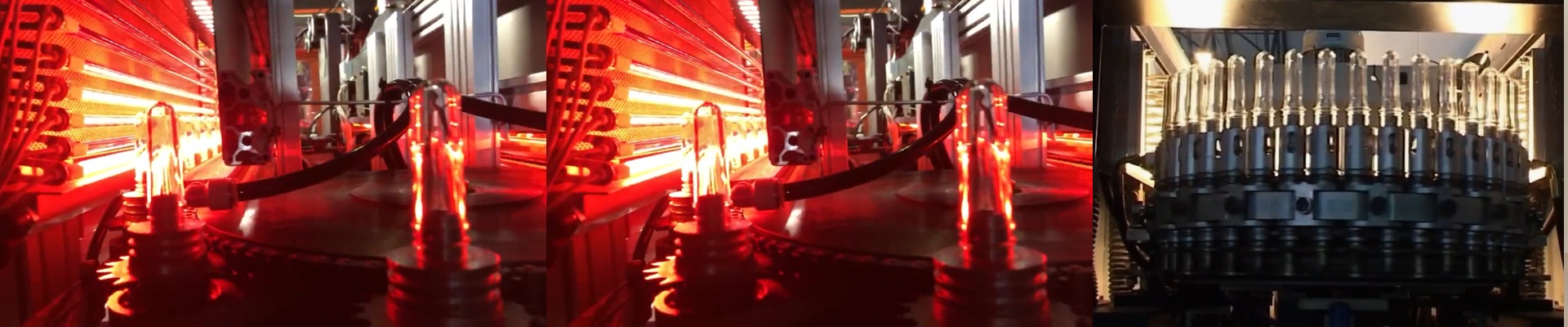
Let’s be honest: bathrooms are a nightmare for electronics. You’ve got freezing air one minute and a thick cloud of steam the next. It’s a brutal environment. Most people think these heaters fail because the heating element just “gives out.” But that’s rarely the case. The real enemy is the moisture. It sneaks into the seals and eats away at the electrical contacts. Once the seal fails, oxygen leaks into the quartz tube, and the tungsten filament burns out almost instantly. To stop that from happening, we basically try to torture our prototypes. We run “damp-heat” tests—which is a fancy way of saying we cram years of shower steam into a few days. We push these units until they literally snap, just so we know exactly where the breaking point is. Then there’s the heat itself. These mirrors use shortwave infrared to get you warm now, not in ten minutes. But that creates a massive temperature swing. The element gets scorching hot while the air around it is damp and cool. This constant expanding and contracting can create tiny micro-cracks in the glass or rust on the connectors. If the hardware isn’t built for this, you’ll start seeing flickering lights or a dead circuit within six months. Not a great look. We also have to play a bit of a balancing act with power. Sure, cranking up the wattage means the mirror heats up faster. But more power means more stress on the insides. If a bathroom has poor ventilation, a high-power lamp will wear out way faster than a modest one. We spend a lot of time tweaking the power density and the seal quality so the lamp doesn’t just pop the second someone turns on the hot water. We don’t guess. We build them, we break them, and we tighten everything up until the failure rate is basically zero. That’s the only way we can sleep at night knowing the hardware isn’t going to quit on your customer while it’s buried inside their wall.