


Stop Throwing Away Your Towel Rails
Most towel rail heaters are basically disposable. They’re built as these sealed, permanent blocks of metal. So, five years down the line, one single heating element burns out and you’re stuck. You can’t fix it. You just rip the whole thing off the wall and throw it in the trash. It’s a waste. And it’s annoying. That’s why we went with a modular infrared design instead.
The “Plug-and-Play” Idea
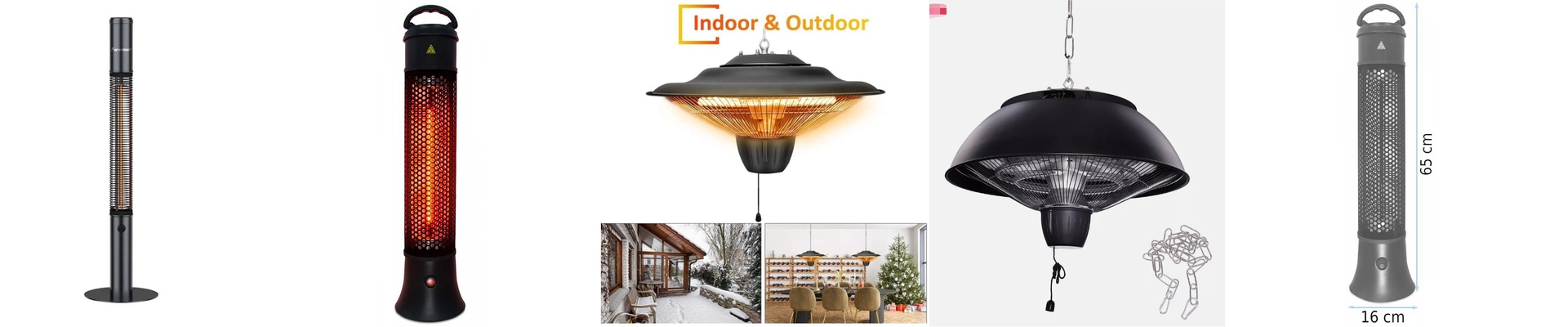
Think of the heating element like a lightbulb—it’s a part that’s eventually going to wear out. It’s a consumable. Instead of welding everything into one giant, permanent chassis, we made our elements slide in and out. If a tube dies, you don’t have to spend your afternoon rewiring the main junction box or fighting with rusted bolts and fragile solder. You just pull out the dead module and drop in a fresh one. It turns a grueling, multi-hour repair job into something that takes a few minutes. It’s a relief, honestly.
The Trade-offs (Keeping it Real)
Nothing is perfect. Here’s the deal: because we’re using modules, there are more physical connection points than you’d find in a hard-wired system. That means you have to be a bit more mindful. Make sure your wiring harnesses are tight. Give the contact points a quick clean when you’re swapping a module. If you’re sloppy with the connections, you might deal with a voltage drop or some overheating at the terminals. Just keep it clean and tight, and you’re golden. On the plus side, since the elements are separate, they don’t suffer from the same cumulative heat stress you see in those long, single-circuit systems. They just breathe better.
Why Facility Managers Actually Love This
If you’re running a building, you know the headache of calling in a full electrical crew just to fix one burnt-out tube. It’s overkill. With this setup, the “footprint” of the repair is tiny. You can swap a part in secondswithout dismantling the whole rail. You don’t need to keep a warehouse full of entire heater units—just a few spare modules on a shelf. Plus, you can hit a module with a multimeter to make sure it’s working before you even mount it. We built these to survive heavy, long-term use. And even if one part takes a beating after years of work, the rest of the system just keeps humming along.