
Don’t Let Your Heaters Blow Up: A Guide to Quartz in Wet Zones
If you’ve ever put heating elements in a bathroom or a livestock pen, you know the nightmare scenario. You’ve got intense heat on one side and splashing water on the other. It’s a recipe for disaster. Here’s what usually happens: cold water hits a scorching hot quartz tube, and crack. That’s thermal shock. Suddenly, you’ve got exposed filaments, a short circuit, and a very real chance of a fire. It’s not a risk you want to take.
Why “Explosion-Proof” Actually Matters
To stop that from happening, we use a specific kind of explosion-proof quartz. Think of it as a much tougher version of standard glass. It’s built to take those wild temperature swings without losing its cool. And if the worst happens and the tube does break? It doesn’t just shatter into a million jagged pieces. The way it’s designed keeps things contained. It’s basically your safety net.
How the Heat Actually Works
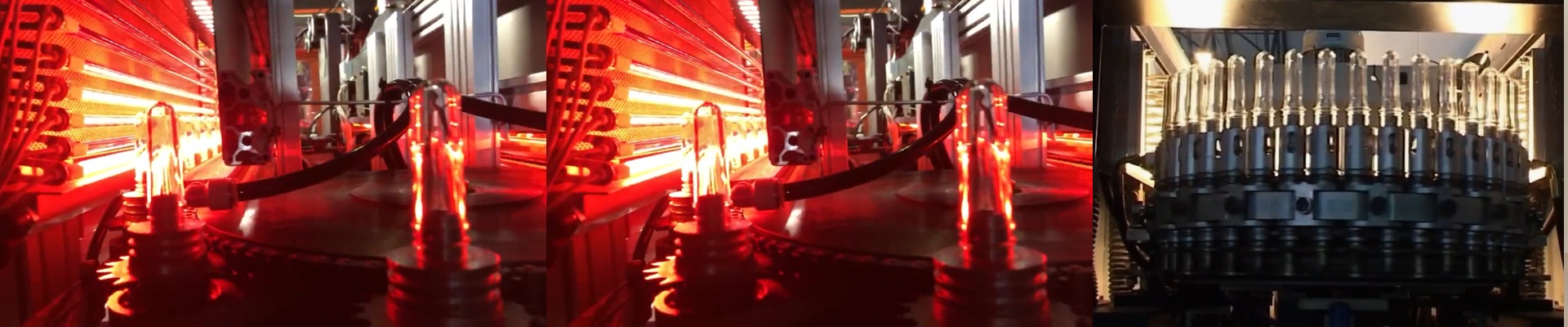
These lamps use short-wave infrared. The cool part? They don’t waste time heating up the air around them. They go straight for the object they’re pointed at. It’s instant. You flip the switch, and you feel the warmth immediately. The quartz shell keeps the tungsten filament safe from the air while letting all that heat pour through. We usually pair these with sealed gaskets and housings that can handle moisture. Just a heads-up: if you’re wiring these into a high-wattage circuit, double-check your breakers. They can pull a bit of a surge when they first kick on.
The Trade-offs (And How to Avoid a Melt-Down)
These lamps pack a massive amount of heat into a tiny space. That’s great for drying things fast, but it’s brutal on the equipment holding them. If you try to save a few bucks by using cheap plastic housings, they’re going to warp or melt. Plain and simple. Stick with aluminum or ceramic mounts—they can actually handle the heat. And please, for the love of everything,don’t skip the grounding. In a wet room, one tiny leak in your housing can turn the whole fixture into a live wire. Check your earth connection before you ever flip the power. It takes two seconds and saves a lot of trouble.