Keep Your Patio Full, Even When It’s Freezing
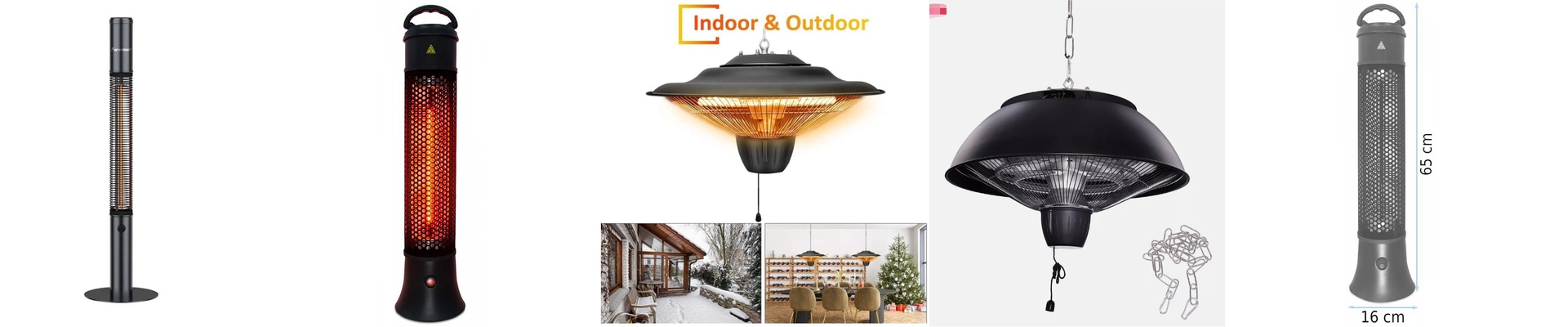
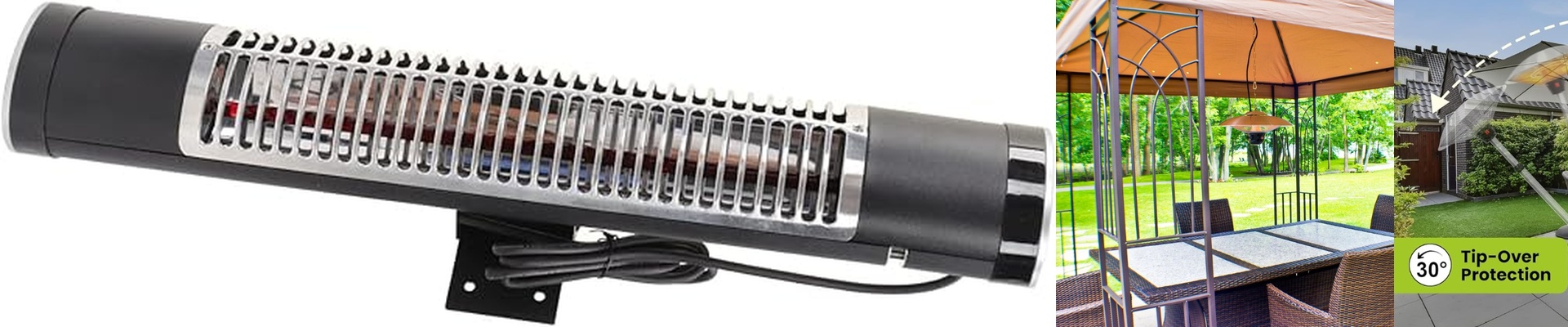
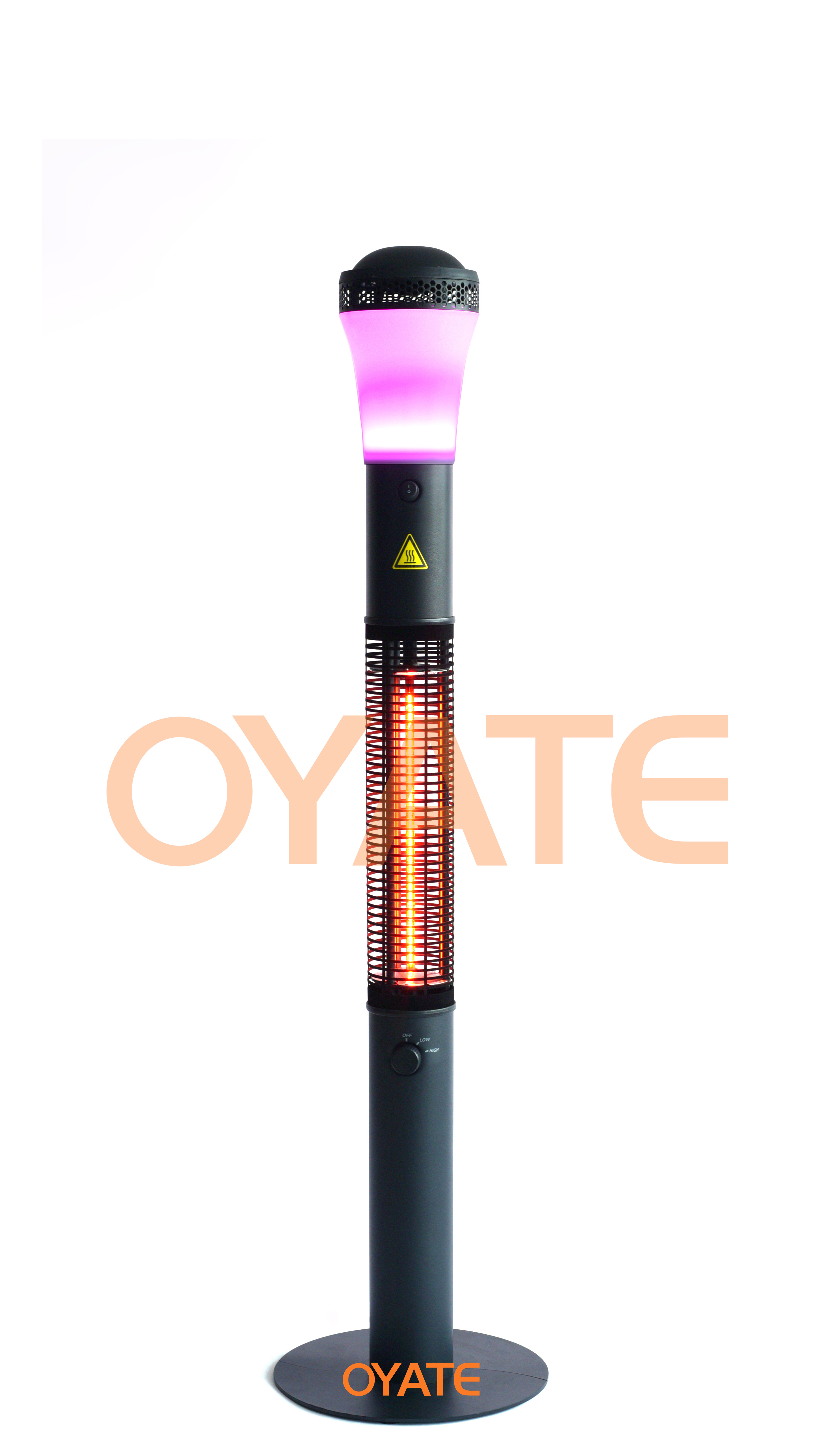
Let’s be honest: the second the temperature dips below 15°C, your outdoor seating becomes a ghost town. It’s a huge hit to your bottom line. We fix this with infrared heaters that actually work. Instead of trying to fight the wind and heat the entire outdoors—which is basically impossible—our heaters aim the warmth directly at your guests.
Built for the Real World
Most heaters just aren’t made for the elements. Dust gets in, moisture seeps through, and then—pop—they short out right when you need them most. That’s why we build ours to the IP66 standard. In plain English? They’re dust-tight and can handle a high-pressure blast of water from any angle. Rain, snow, sleet—it doesn’t matter. You can leave them up all winter. We also spent a lot of time on the gaskets. Since these units jump from freezing to 500°C in seconds, the materials need to breathe and move without cracking or leaking.
The Magic of Shortwave Heat
We use shortwave infrared. Here’s the difference: traditional heaters try to warm the air. But since heat rises, that warmth just floats away, leaving your customers shivering in a draft. Shortwave radiation is different. It travels in a straight line and hits skin and clothing instantly. No waiting around for the air to warm up. You flip the switch, and your guests feel it immediately.
More Comfort, More Revenue
It’s simple. When people are cold, they don’t linger. They order one drink, shiver, and leave. When they’re warm, they stay. They order that second bottle of wine or a dessert. By keeping the tables cozy, you’re basically adding more square footage to your restaurant during the winter months. A quick heads-up on the technical side: These units pull a lot of power. If you’re installing ten 2kW heaters, your breaker panel needs to be ready for a 20kW load. I always suggest using dedicated circuits. It stops the voltage from dropping and keeps the heat consistent. And please, get the height right. If you hang them too low, you’ll toast your customers. Too high, and the heat disappears before it reaches the table. Aim for about 2.5m to 3m. That’s the sweet spot.