Why Your Bathroom Heater Actually Needs to Be Waterproof
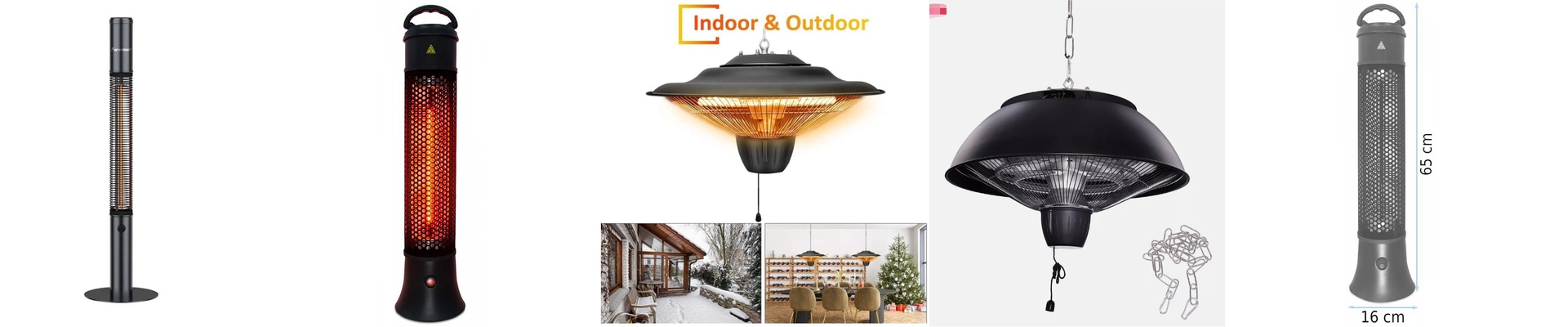
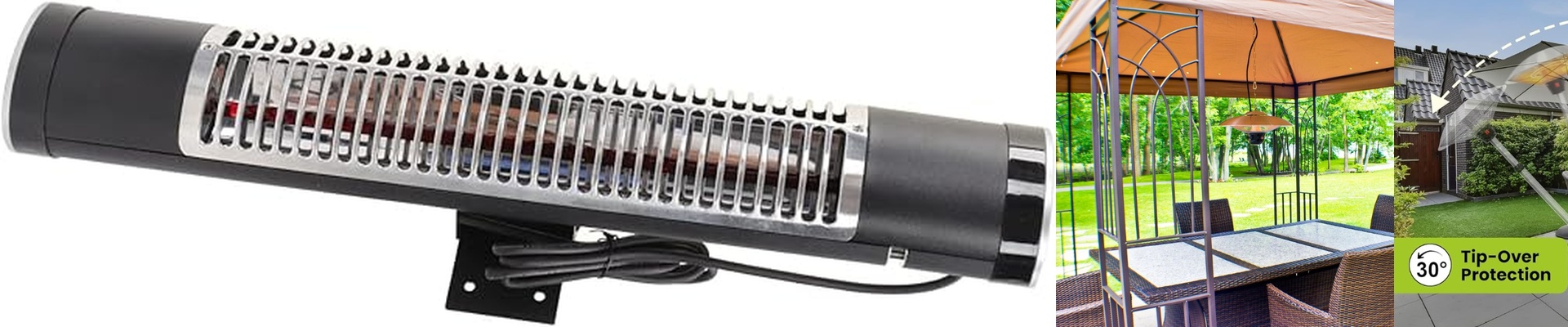
We’ve all been there. You step out of a steaming shower into a chilly bathroom, and that old-school heat lamp just isn’t cutting it. Most of those basic units aren’t really built for the humidity of a real bathroom. They leak, they rust, and eventually, they just quit. That’s why we’ve been moving toward high-IP infrared heaters. Instead of just a bulb in a socket, these are sealed systems. They’re built to handle the steam and the occasional splash without breaking a sweat. The secret is in how they heat you. Most heaters try to warm up the air. But if you have a draft or you open the door, all that warmth just vanishes. It’s a waste. Infrared is different. It sends out waves that hit your skin and the floor directly. You feel the warmth the second you flip the switch. No waiting for the ceiling to get warm while you’re shivering on the bathmat. It’s instant. Let’s talk about the “IP” stuff. In a bathroom, moisture is the enemy. Cheap heaters let steam seep inside, which corrodes the guts of the machine or causes a short circuit. Not great. When we talk about high IP ratings, we’re really just talking about better gaskets and tighter seals. It keeps the electrical bits dry. If the seal is junk, the unit burns out. Simple as that. High-IP gear just lasts longer because the internals stay dry. A few things to keep in mind for the install. You can’t just swap a lightbulb for one of these panels and call it a day. They take up more room in the ceiling, and you’ll need to make sure your wiring can handle the wattage. You don’t want to be tripping your breaker every time you want to feel warm. Also, these things put out some serious heat. If you mount them too low, you’re going to feel like you’re standing under a heat lamp at a buffet. You have to get the height just right. You lose that soft, orange glow of the old lamps, but you get a blast of heat that actually works. It takes a bit more effort to set up, but you won’t be replacing the unit every couple of years.