
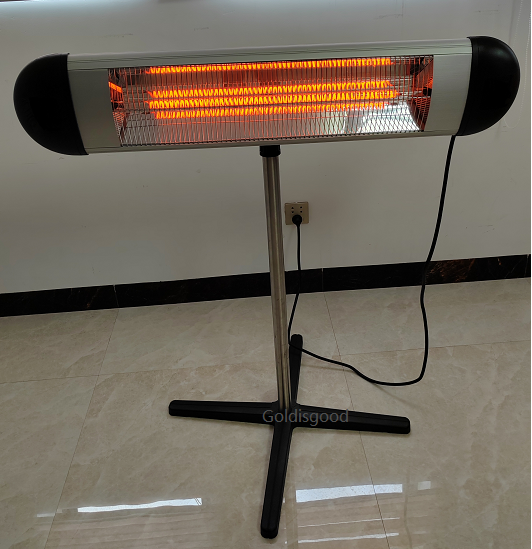
Why we put our bathroom lamps through “the torture chamber”
Let’s be honest: bathrooms are a nightmare for electronics. You’ve got thick steam, random water splashes, and the kind of temperature swings that would make most heating elements give up the ghost. If a lamp isn’t built specifically for this chaos, the seals leak, the filaments rust, and the whole thing burns out in a few weeks. We’ve seen it happen. That’s why we don’t just “hope” our lamps are reliable. We use damp-heat aging tests to try and break them before they ever leave our warehouse.
The battle against moisture
Water vapor is basically a silent killer for quartz glass and electrical contacts. Here’s the thing: a halogen lamp works great in a living room. But in a bathroom? It’s facing constant condensation. When moisture sneaks into the housing, it attacks the seals. This leads to something called “creepage,” where electricity starts wandering across the insulation. And that’s how you get a short circuit. To stop this, we toss our units into climate chambers. We crank the humidity up to 95% and cycle the heat over and over. We’re looking for the smallest leak. If a gasket fails or moisture seeps into the wiring, we find it here, not in your customer’s home.
Playing the long game
Passing a quick spray test is one thing. Actually lasting for years is another. We’re really looking for thermal fatigue. The quartz tube expands when it’s hot and shrinks when it cools. Do that enough times, and you get microscopic cracks. In a damp bathroom, water finds those cracks and moves in. We spend hundreds of hours monitoring the wattage. If the power output dips even a tiny bit, we know the seal is compromised. It’s a tricky balance. If we make the seals too tight, the lamp can’t breathe and it overheats. If they’re too loose, it leaks. We spend a lot of time tweaking that middle ground so the lamp stays dry without cooking itself.
Built for the real world
Nobody wants to pay a technician to visit every six months just to swap out a burnt-out bulb. By forcing these lamps through accelerated aging, we make sure the materials can actually take a beating. If a lamp can survive our chamber, it can handle whatever your customer throws at it in their bathroom.