
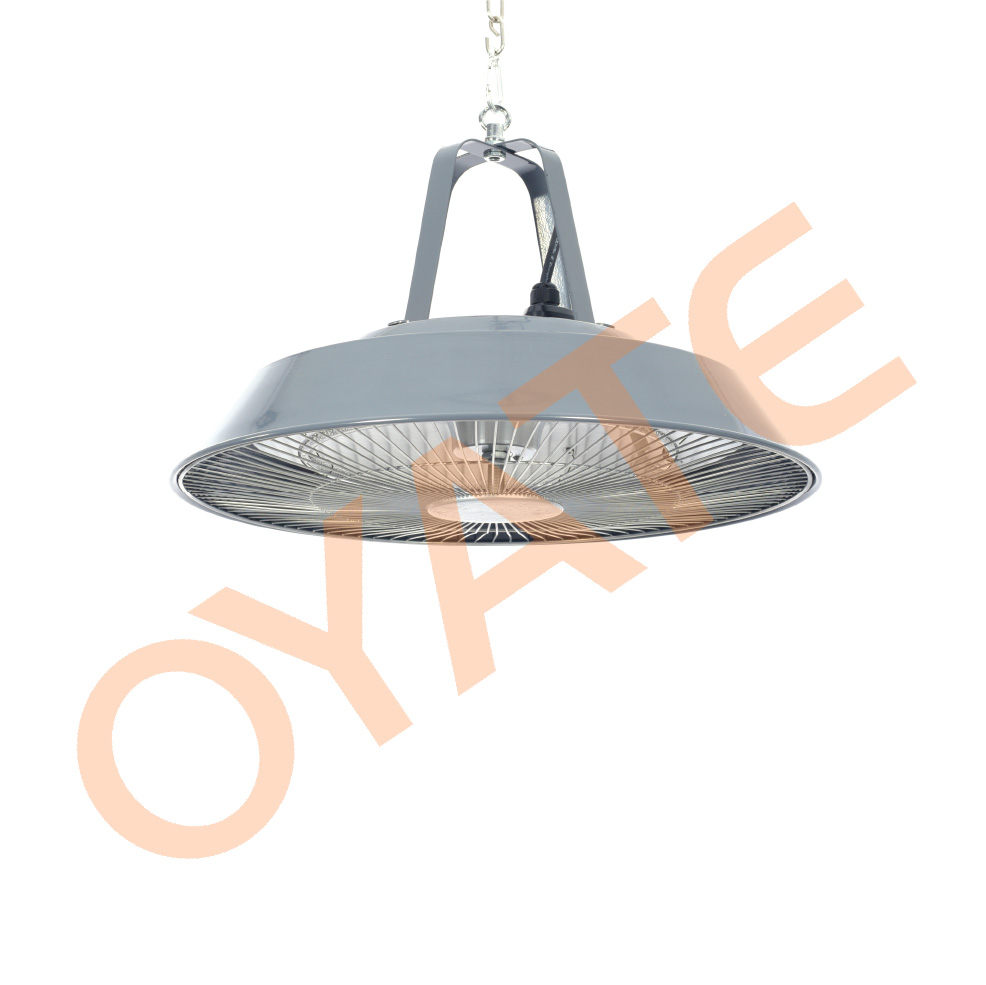
Why Your Bathroom Heater Needs to Be Actually Waterproof
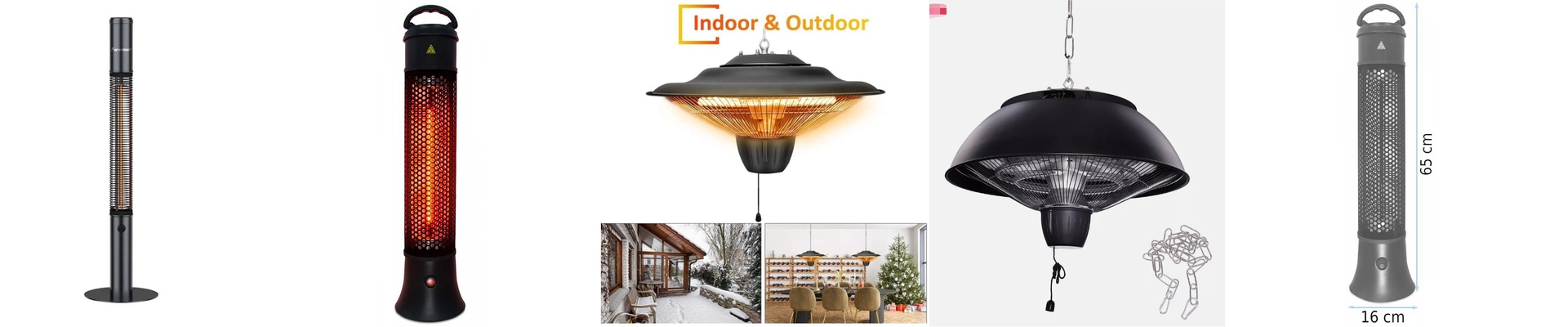
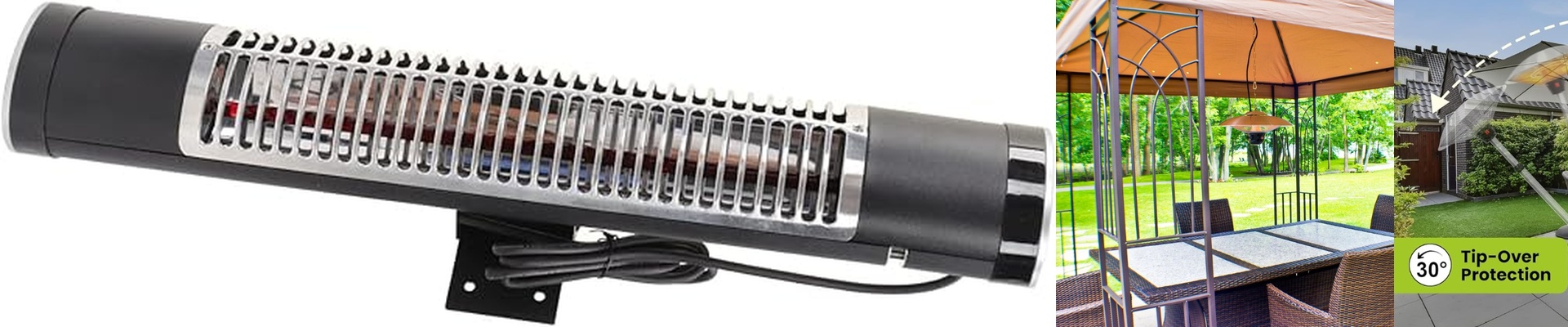
Let’s be honest: those old-school halogen “light heaters” just aren’t cutting it anymore. If you’ve ever stepped into a high-end wet room, you know the struggle. You’ve got all this beautiful tile and steam, but the heater is basically a ticking time bomb. That’s why we’re seeing everyone switch over to high-IP rated infrared heaters. It comes down to one thing: moisture. Traditional lamps just weren’t built to handle the kind of steam and direct splashes you get in a modern bathroom. The problem with humidity In a bathroom, you’re not just fighting the chill. You’re fighting the damp. Cheap heaters let moisture creep into the electrical housing, and that’s when things go south. You get short circuits or the heating element just burns out way too early. We fix this by using strict waterproof seals. It keeps the guts of the machine dry, which means it actually lasts. And here’s the best part about infrared: it doesn’t waste time trying to heat up all the air in the room. It warms you and the surfaces around you. You feel the heat the second you turn it on. No more shivering while you wait for the room to catch up. The nitty-gritty on the hardware We stopped using exposed filaments for a reason. Modern waterproof units use sealed quartz tubes or carbon fiber elements tucked behind protective glass. Why? Because if a cold water droplet hits a scorching hot surface, the glass can crack instantly. That’s called thermal shock, and it’s a nightmare. The casing prevents that from ever happening. Now, a quick word on the install. Since these go in “Zone 1” or “Zone 2” areas (basically, right where the water is), the chassis has to be fully insulated. You’ll want a dedicated GFCI breaker to keep everything safe. Don’t skip this part. The trade-offs Nothing is perfect. Because the elements are sealed up tight for safety, they might take a few seconds longer to hit peak temperature than a naked halogen bulb. Also, keep in mind that these waterproof housings are a bit heavier than those cheap plastic lamps. Make sure your ceiling can handle the extra weight before you mount them. But look at the payoff. Once it’s wired up correctly, you can stop the annoying cycle of replacing burnt-out bulbs every single winter. You just set it, forget it, and stay warm.