
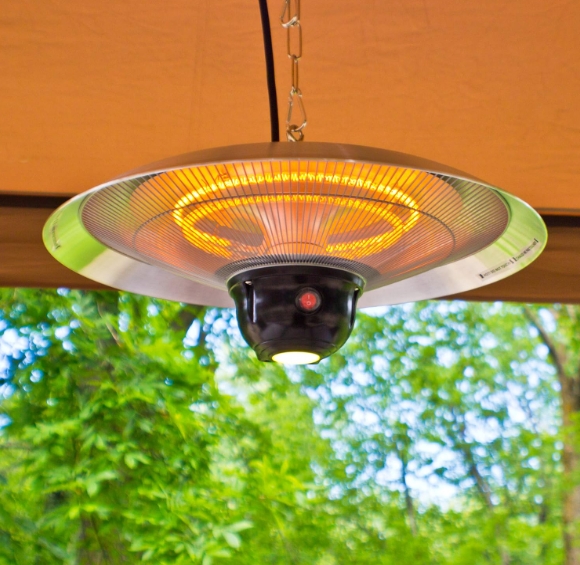
Stop Fighting Your Industrial Heaters
Most industrial heaters are basically “invisible” until the day they die. Then, suddenly, everything stops. But here’s the real headache: it’s rarely just about the cost of the part. It’s the nightmare of the actual repair. You’re spending hours fighting with rusted bolts, wrestling with brittle wires in a cramped box, and losing a massive chunk of production time just to get things running again. We got tired of that. So we built our IPX4 infrared modules to actually be maintainable. The “Plug-and-Play” approach We ditched the old way of hard-wiring everything into the main power rail. Instead, we moved to a modular chassis. Think of it like a cartridge. If a module fails, you don’t have to tear the whole machine apart. You just pull the dead one out and drop a new one in. It turns a grueling four-hour teardown into a ten-minute swap. It’s a huge relief for whoever has to actually do the work. Dealing with splashes and heat Since these are IPX4 rated, they can handle water splashing from any direction. We used gaskets that won’t crumble or crack after being heated and cooled a thousand times, and we sealed the electrical junctions tight. If you’ve got coolant leaks or a wash-down crew coming through, you’re covered. But there’s a catch. When you seal something up to keep water out, you’re also blocking the air. These high-wattage tubes get incredibly hot. If you jam these modules too close together in a tight space, you’re going to cook your electronics. Just make sure your ventilation or cooling can handle the heat load you’re putting in. The reality of the shop floor Let’s be honest: after five years, quartz tubes are going to lose their edge or eventually crack. That’s just how it works. That’s why we stuck to standardized footprints and quick-connect terminals. Your techs can swap the core heating element without having to spend an hour recalibrating the mounting brackets. It just makes sense for the long haul.