Stop Waiting on Your Oven to Catch Up
If you’ve spent any time in a busy commercial bakery, you know the frustration of the “lag.” You hit the thermostat, but the oven takes forever to actually get the heat moving. In a high-volume shop, those few minutes of waiting are a total bottleneck. That’s why we use shortwave infrared (IR) emitters in our rotary ovens. It turns a long wait into a few seconds.
How it actually works
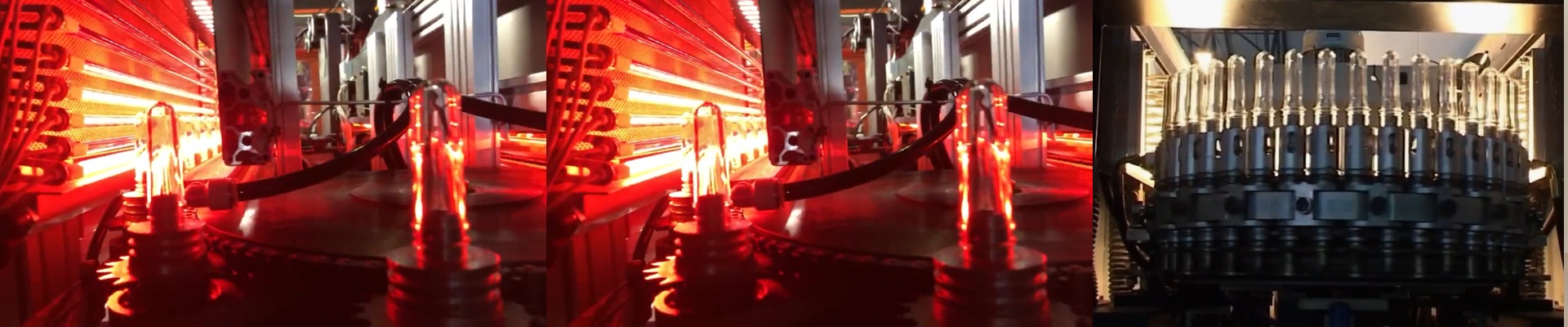
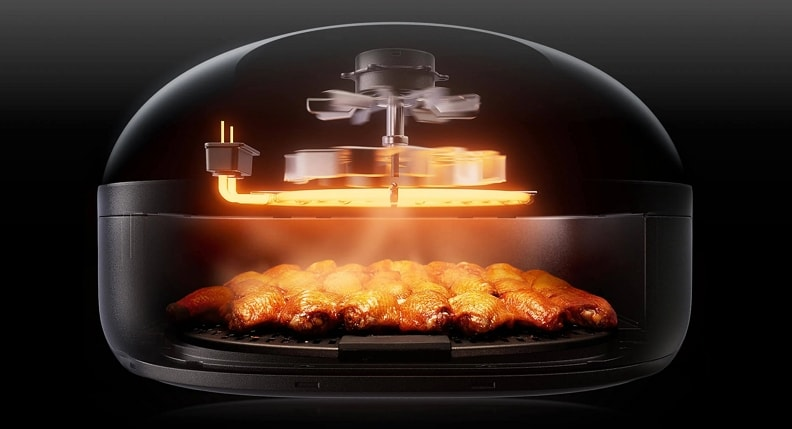
Most ovens rely on heating up an element, which heats the air, which eventually—hopefully—heats your dough. It’s a slow chain reaction. IR is different. It doesn’t bother with the air. It sends electromagnetic radiation straight to the surface of your product. When you flip the switch on a shortwave IR lamp, the filament hits peak temperature almost instantly. This means you can tweak the heat in real-time. If your rack speeds up or you’re working with a denser dough, you just adjust the power and you’ll see the crust react right away. No guessing games.
Getting that perfect “snap”
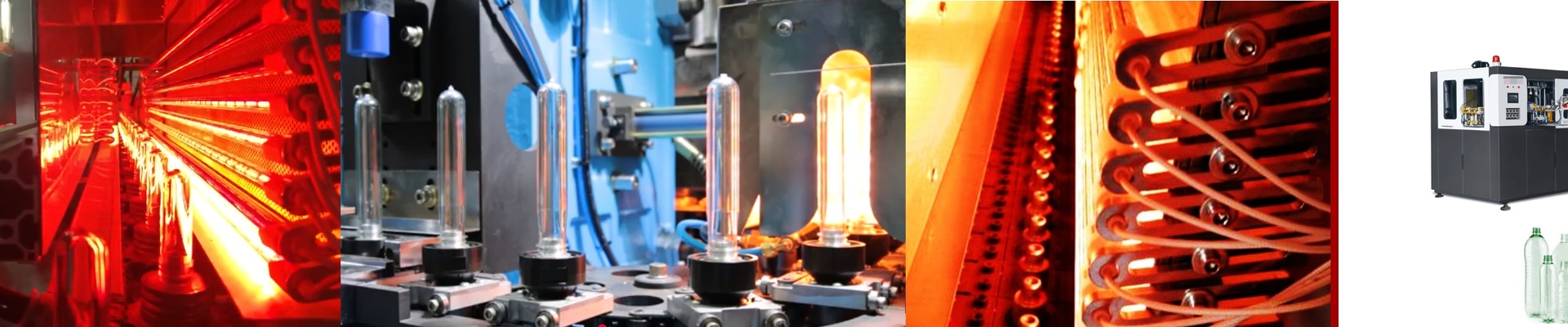
To get that industrial-grade sear and a consistent rise, we pack a lot of wattage into a small space. It creates an intense heat density that hits the bread hard and fast. The best part? You aren’t just soaking the entire oven chamber in wasted heat. One heads-up, though: this kind of power puts a real strain on your electrical gear. Make sure your wiring and contactors can handle the peak current. If they aren’t rated for it, they’ll burn out way sooner than they should.
Moving faster (and smarter)
When your oven responds faster, your whole workflow speeds up. You stop wasting energy just idling and waiting for the temp to climb. You can even pulse the heat during the rotation cycle so you don’t accidentally over-bake the edges. There is a trade-off, though. Those quartz envelopes are a bit temperamental. They run hot and fast, which makes them sensitive to bumps or grime. Keep the glass clean. Seriously. A single splatter of grease can create a hot spot, and that’s usually how the tube cracks.