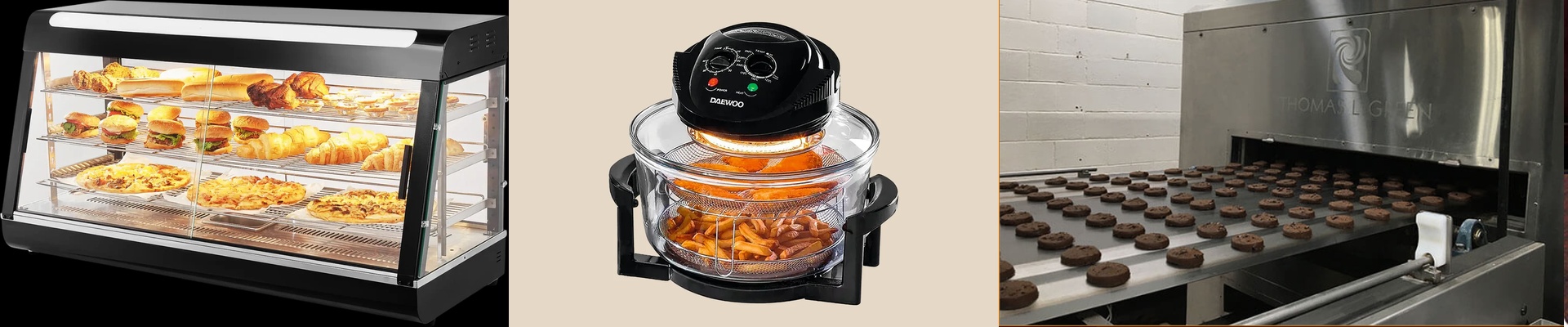
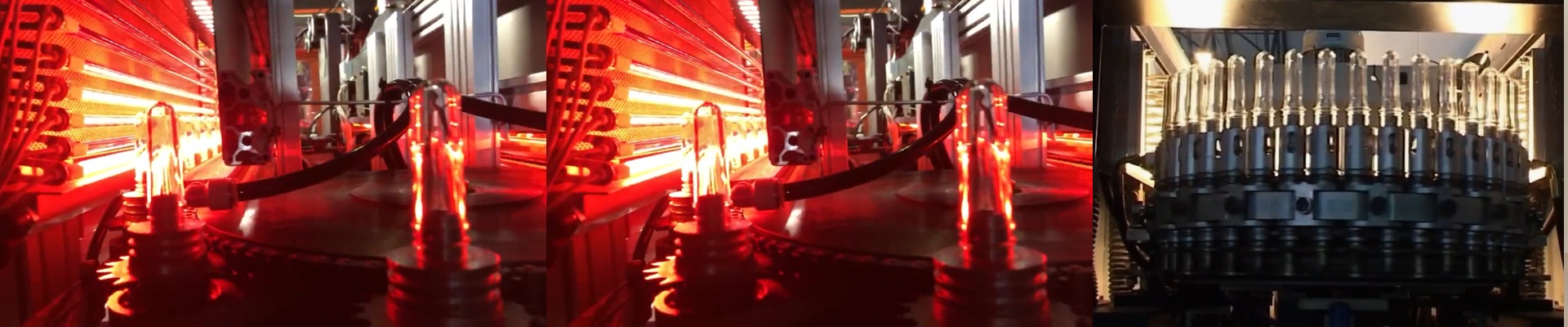
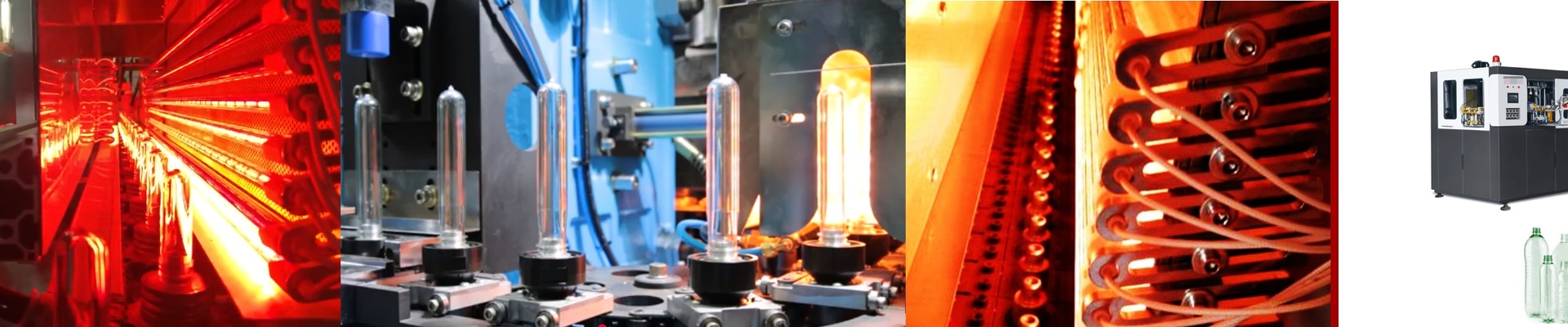
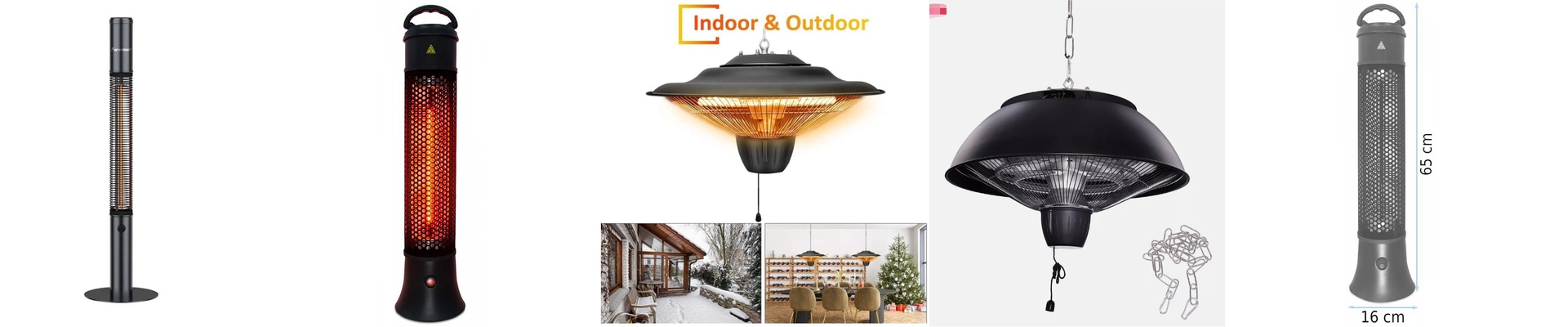
Getting Your Oven Temps Right (Without the Headache)
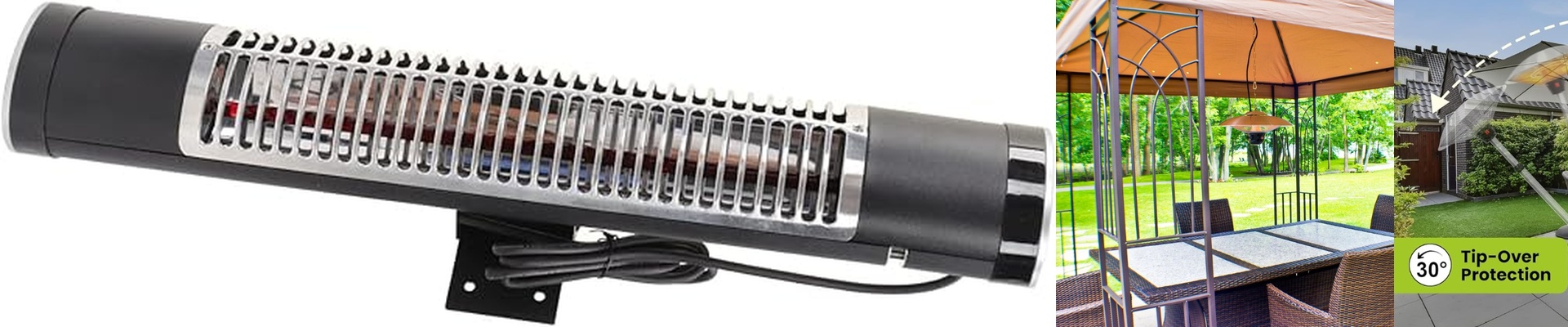
When you’re looking for a new infrared lamp for your commercial oven, it’s easy to just look for something that gets hot. But here’s the thing: heat is easy.Stabilityis the hard part. We’ve spent a lot of time testing our quartz halogen tubes against the big-name brands to make sure they don’t drift when things get busy in the kitchen.
How we keep the heat steady
Commercial ovens are brutal. They need to bounce back to temperature the second you open the door. To handle that, we use a high-wattage halogen fill inside a fused quartz shell. Why halogen? Because it stops the tungsten filament from evaporating too fast. Without that, the lamp would just burn out from the constant clicking on and off. We also get really picky about how the filament is wound. If it’s not tight and precise, you get hot spots. By keeping the winding consistent, the heat spreads evenly across the whole tube. No cold spots, no burnt edges.
Swapping them out
You shouldn’t need a degree in engineering to change a lightbulb. These are designed to be simple drop-in replacements. We stick to the standard R7s or SK15 connectors, so you can just plug them in and get back to work. And about the glass—we use a specific type of quartz that doesn’t freak out when the temperature swings. It can go from room temperature to 300°C in a few seconds without cracking. It’s tough.
A quick reality check
Even the best lamp in the world can’t fix a dirty oven. Your temperature control depends on your PID settings and how fast the lamp reacts. But remember, these things put out an intense amount of localized heat. If your vents are clogged or your reflectors are covered in grease and oxidation, your surface temps are going to spike. **Pro tip:**Keep those reflectors polished. It makes a huge difference in how the heat actually hits the food.