Don’t Just Swap Your Oven Lamps—Read This First
If you’re tired of paying a fortune for those imported oven lamps and want a cheaper replacement, you might think you just need to find a tube that fits the slot. But here’s the thing: if you just match the length, you’re probably going to mess up your bake.
The Power Struggle
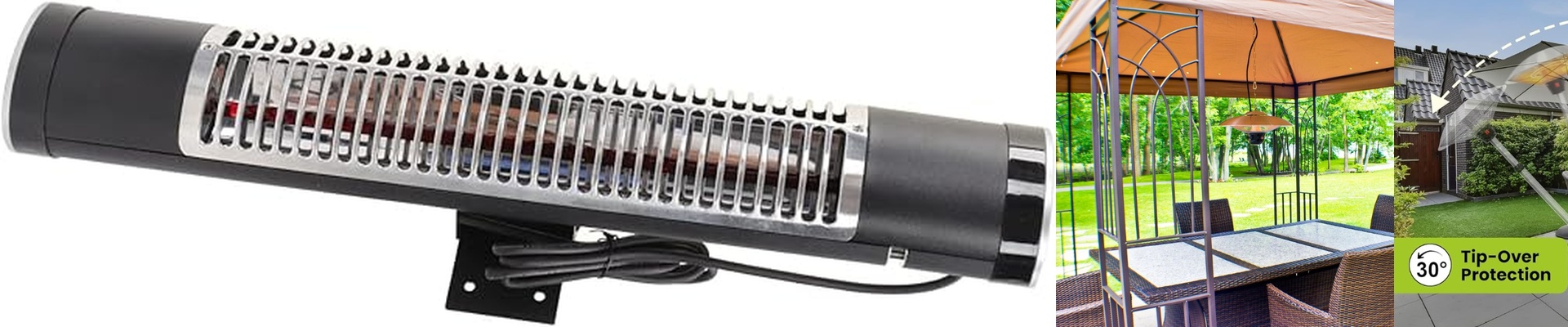
Rapid heating in a bakery is all about that short-wave infrared heat. If you toss in a generic 230V tube without checking the wattage per centimeter, you’ll end up with some spots that are burnt and others that are barely cooked. High-wattage quartz tubes get the heat moving instantly. That’s great for your bread, but it’s tough on your gear. Check your wiring. If your contactors can’t handle the amp draw, you’re asking for trouble. On the flip side, if you go too low on the wattage? Your oven takes forever to warm up. Your throughput tanks, and you’re just standing there waiting.
Glass, Plugs, and the “Secret” Coating
We use high-purity quartz glass because it can handle the shock of being turned on and off all day. Most of these use R7s or SK15 connectors. Keep an eye on those plugs. They’re usually where things go wrong. A loose fit causes arcing—basically little sparks—which will fry your socket in no time. Then you’ve got the coated tubes. These are designed to push heat deeper into the dough so you don’t just sear the crust while the middle stays raw. They work great, but there’s a trade-off. The coating takes a beating. These tubes don’t last as long as the clear ones, so be ready to replace them more often.
A Few Tips for Installation
These elements react fast. Really fast. Because of that, the surface gets scorching hot. If your oven’s airflow is blocked, you might actually melt nearby plastic or crack the quartz. Give it some breathing room. And for heaven’s sake, don’t jam the tube in too tight. Quartz expands when it heats up. If there’s no room to move, the tube will just snap.