Stop Fighting Your Oven: A Better Way to Get Even Heat
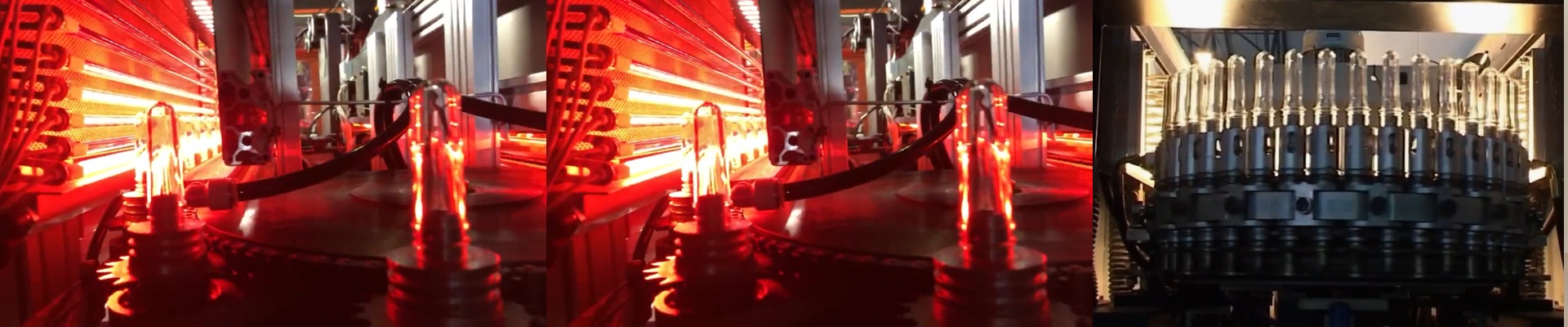
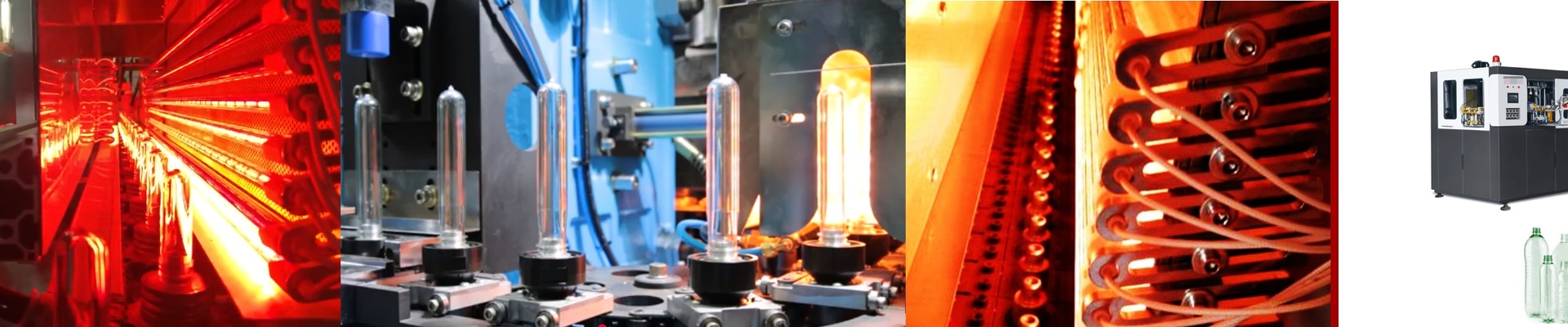
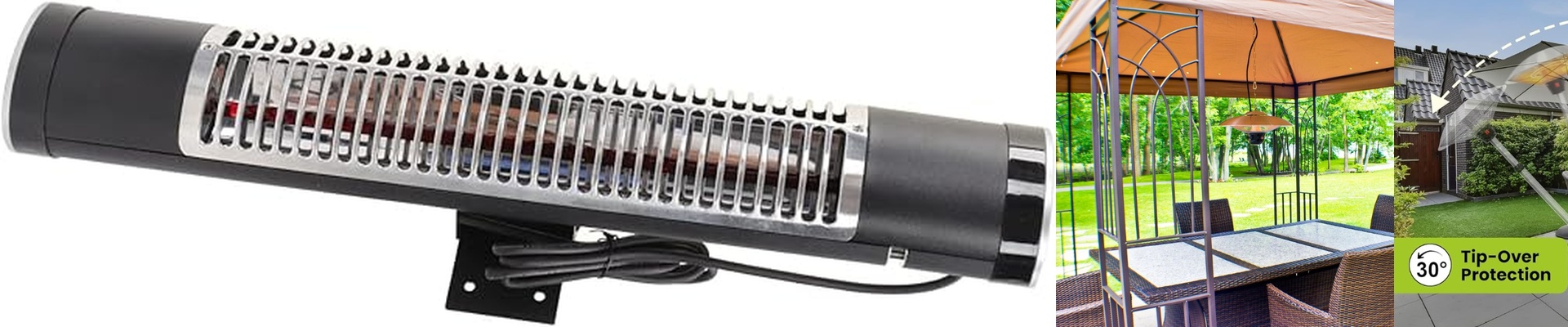
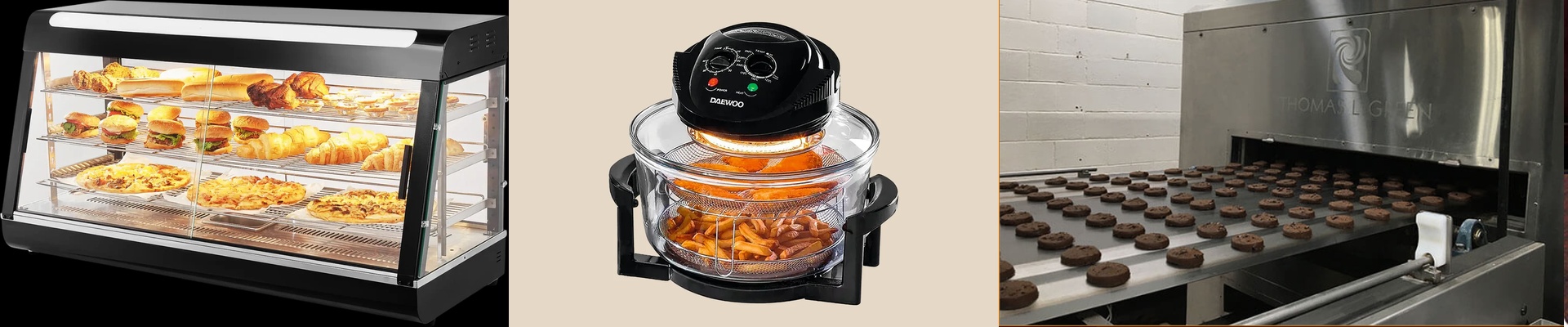
If you’ve been running an older bakery oven, you know the drill. You open the door, the heat vanishes, and suddenly you’re waiting forever for the temp to climb back up. Or worse, you pull out a tray where half the loaves are perfect and the other half are barely baked. It’s frustrating. The good news? You don’t actually need to buy a whole new oven. You just need better heat. Swapping out your old heating elements for custom infrared (IR) lamps is usually the quickest way to fix this. We build these tubes to slide right into your existing setup, giving you more “punch” and better heat density without the nightmare of a full machine overhaul. Getting the power right Here’s the thing: IR lamps aren’t one-size-fits-all. It all comes down to how much wattage you can cram into the space you have. If we put more power into a shorter tube, you get a much more intense heat flux. But we have to be careful. We’ll match the voltage to your current control board so you don’t accidentally fry the lamp or end up with an element that barely puts out a glow. We map out the dimensions of your oven first, making sure the heat hits every inch of your product evenly. No more cold spots. Picking your “flavor” of heat We use high-purity quartz glass because these things take a beating. Constant heating and cooling is brutal on materials, but quartz can handle it. Depending on what you’re baking, you’ll want one of two options: ***Shortwave:**This hits the surface instantly. It’s perfect if you need a fast sear or that deep, golden-brown crust. ***Medium-wave:**This sinks deeper into the dough. If you’re working with thicker loaves, this is the way to go. And don’t worry about the wiring. We handle the end-cap configurations so you can just plug them in and get back to baking. One thing to keep in mind The best part about IR is the speed. There’s no “lag” like you get with convection; it’s almost instant. But a heads-up: more heat means more stress. If you’re jumping from a weak element to a high-output IR tube, your wiring and insulation are going to feel it. Just double-check that your relays and contactors can handle the extra current. It takes two minutes to check, and it saves you from a melted component and a dead oven on a busy Saturday morning.