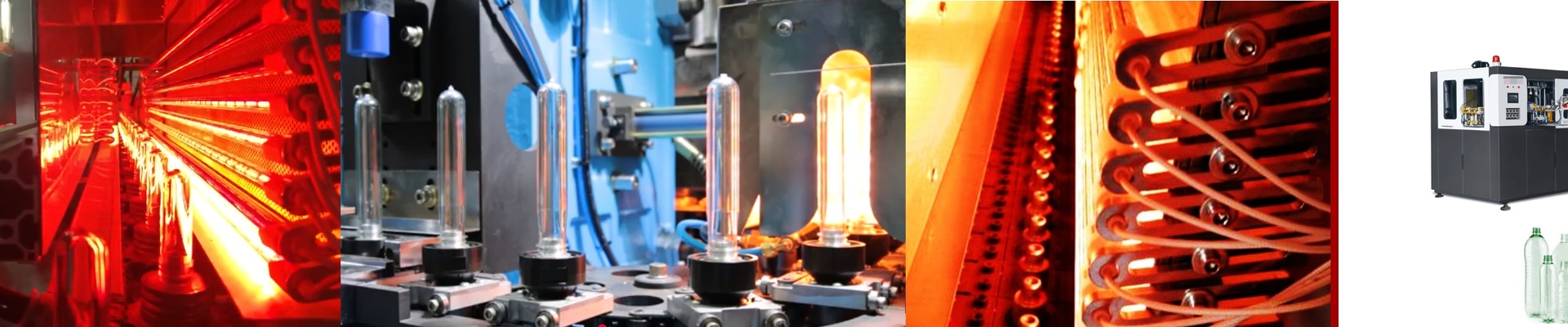
Getting the Heat Right for PET Preforms
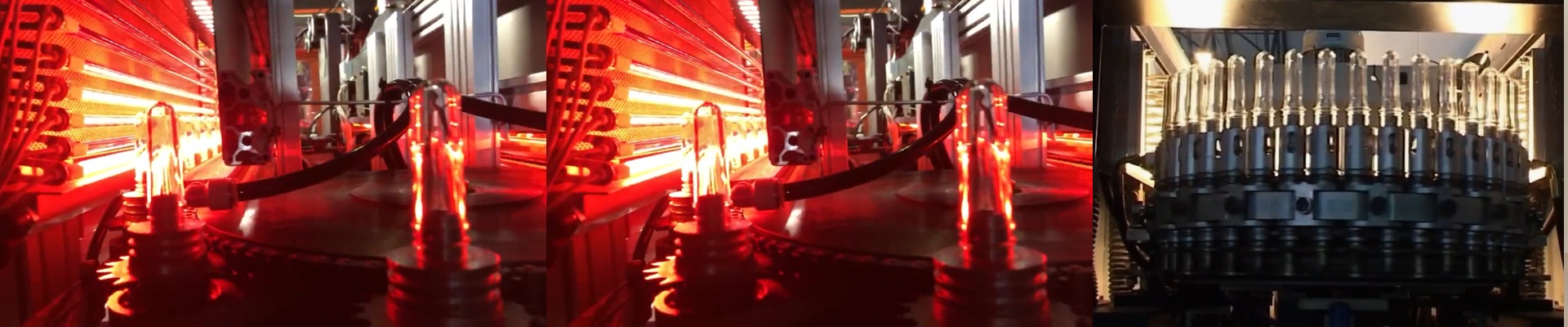
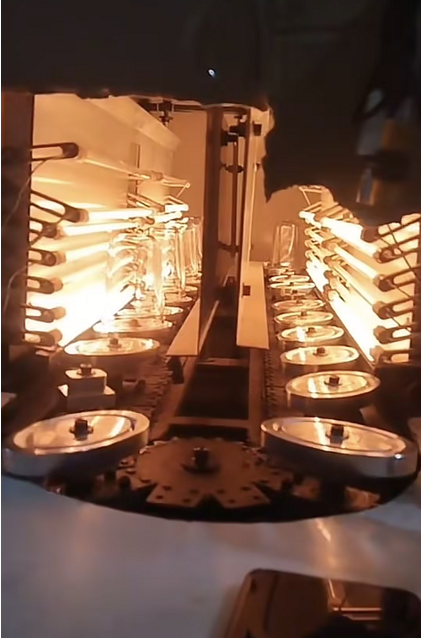
If you’re running high-speed lines—think SIG Blomax 4 or Husky HyPET—you already know the headache. The biggest bottleneck is always heat penetration. When that infrared energy just sits on the surface instead of hitting the core of the preform, you end up with those annoying cold spots, uneven walls, or that cloudy, pearlescent look in the final bottle. It’s frustrating. That’s why we built our replacement lamps. We focused on short-wave infrared (SWIR) to actually get the heat where it needs to be. The secret is power density. To get deep into the plastic, you need a lot of energy in a small space. We use high-wattage halogen filaments that push a concentrated blast of heat. We spent a lot of time balancing the voltage and wattage so the lamps hit the right temperature fast, but without frying the electrodes. Instead of just warming the outside of the PET, the heat actually sinks into the polymer chain. The gear under the hood We went with high-purity quartz glass. It’s not just about handling the heat—it’s about letting the energy out. Low-iron quartz allows way more IR energy to pass through the glass and into your product. As for the fit? We offer R7s or Sk15 connectors. They’re simple drop-in replacements. They slide right into your existing sockets, so you don’t have to spend your weekend rewiring the oven. Real-world warnings Here’s the thing: more heat density puts more stress on your hardware. When you swap to these lamps, your cooling fans have to work a bit harder. If your airflow is clogged or your cooling system is struggling, you might overheat your sockets. And please, do yourself a favor:**check your reflectors.**If they’re dirty, it doesn’t matter how powerful the lamp is—your efficiency is going to tank. Give them a good clean during the install. One last tip: match your lamp to your preform weight. If you’re running heavier preforms, go with the higher wattage. It’s the only way to make sure you don’t get those stubborn cold spots in the base.