Getting Your Sidel Matrix Heat Just Right
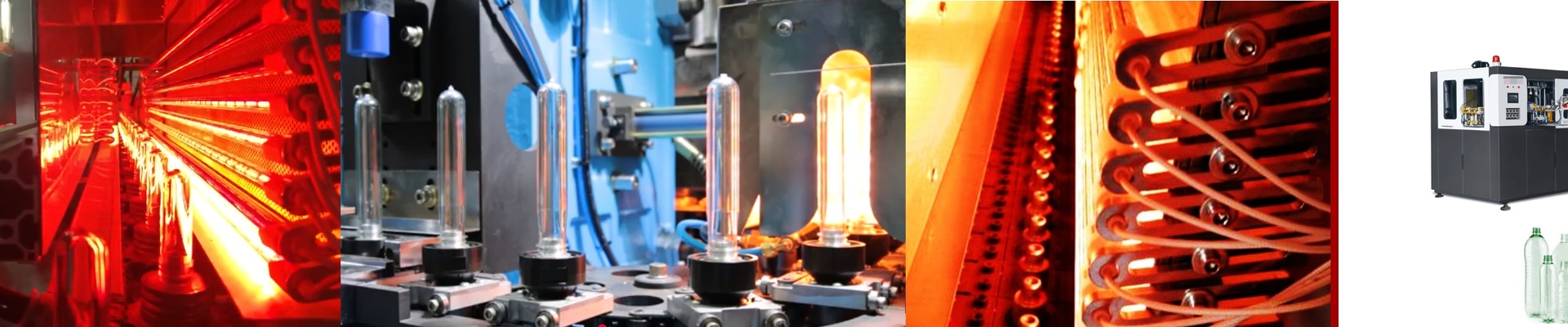
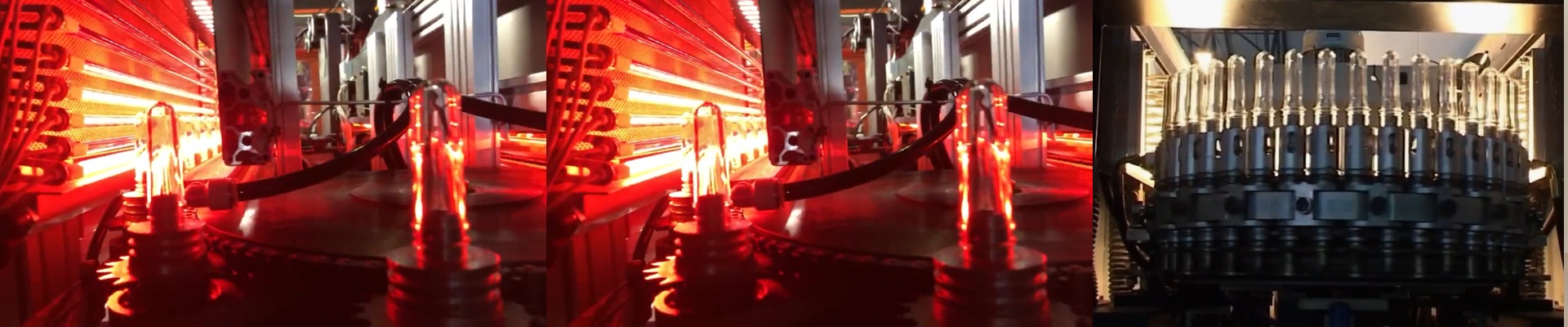
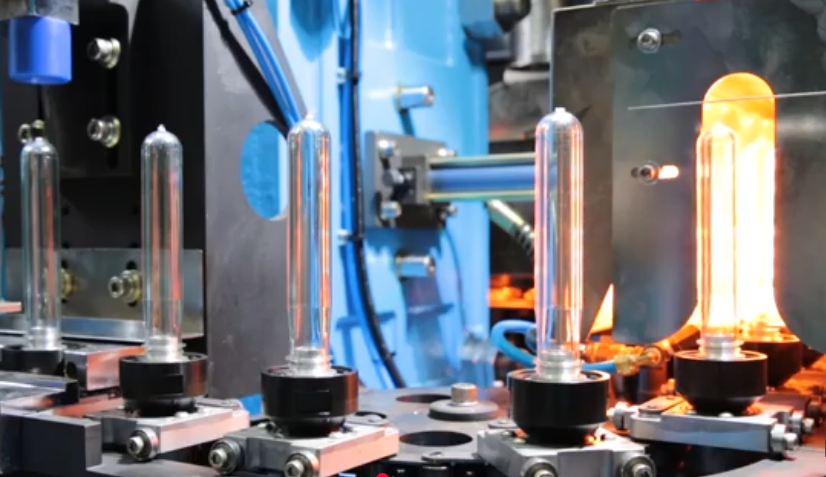
When you’re swapping out IR lamps in a Sidel Matrix blower, you’re not just trying to “get the lights back on.” You’re trying to nail that original heating curve. If the replacement lamp is even a little off on wattage or voltage, you’re going to have a bad time. Your PET preforms will either stay too cold—meaning they won’t stretch right—or they’ll overheat. That’s how you end up with those annoying pearlescent streaks and walls that are way too thin. The “Drop-In” Secret We make our lamps to be true drop-in replacements. We match the voltage and wattage of the Sidel originals because even a tiny shift in ohms messes with the heat density. We calibrate the electrical resistance so the lamp draws exactly what your power supply expects. The best part? You don’t have to spend your afternoon messing with PLC settings or rewriting your heating profiles. You just put them in and go. Quartz, Coatings, and Physics Shortwave IR lamps live and die by the quality of the quartz and the tungsten filament. We use high-grade quartz because these things take a beating under high thermal stress, and we don’t want them burning out early. But the real magic is in the coating. We use a specific refractive layer that pushes the IR energy straight into the preform instead of letting it scatter everywhere. It keeps that heat band tight, which is exactly what you need when you’re blowing bottles at high speeds. A Quick Tip Before You Power Up These use standard industrial connectors, so the swap is fast. Slide them in, wire them up, and they fit right into the existing footprint. Just a heads-up: high-wattage lamps put a lot of pressure on your oven’s cooling fans. If your ventilation filters are clogged with dust, even a perfect lamp can overheat the oven interior. That’s a quick way to fry your surrounding sensors. Do yourself a favor and check your airflow before you flip the switch.