Fixing Those Annoying Heat Gaps in KHS Blow Molders
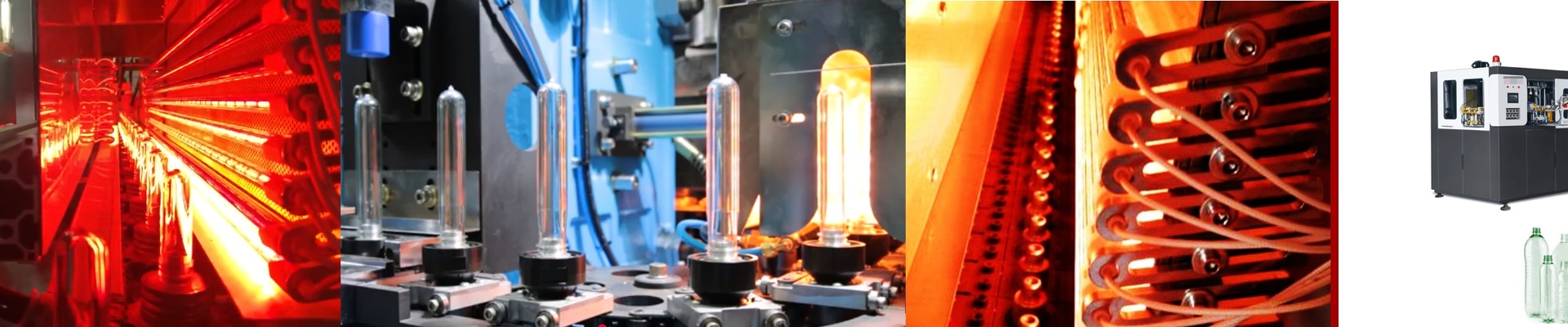
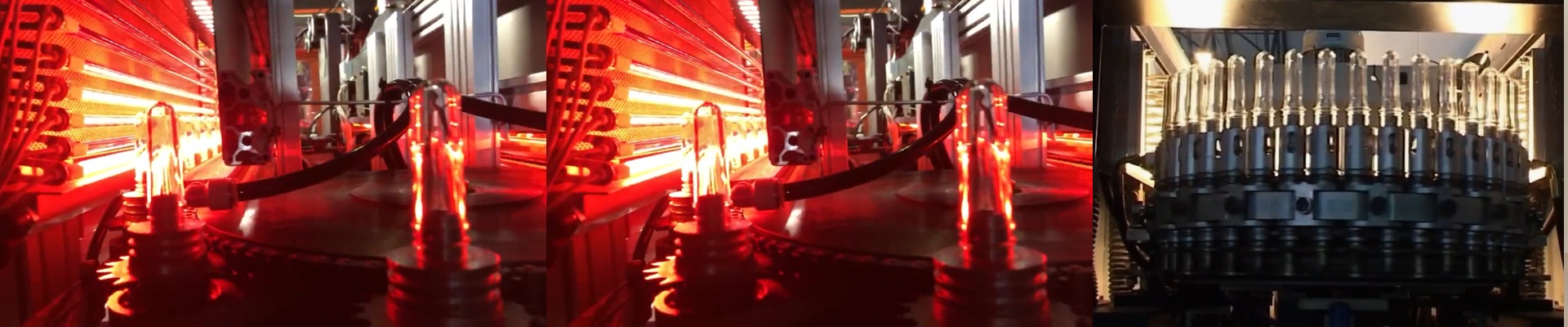
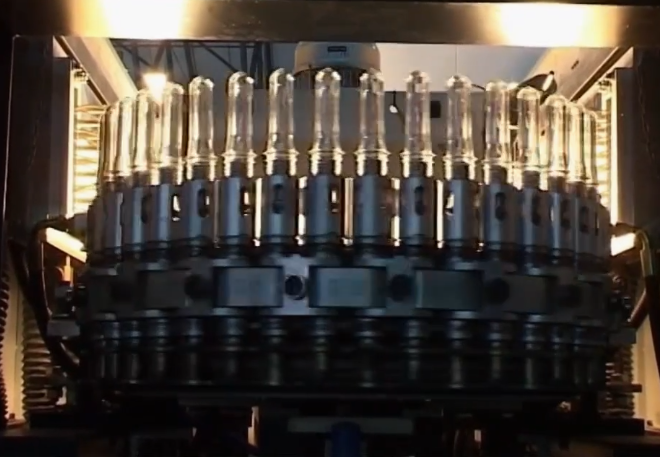
Ever pull a batch of PET bottles off the line and see that weird pearlescence or thinning walls? It’s frustrating. Usually, it comes down to one thing: your preforms aren’t heating evenly. When the heat is off, the plastic doesn’t stretch right, and you end up with structural failures that send your scrap rate through the roof. We built our replacement lamps to fix this. We don’t just copy the original thermal footprint; we actually tighten the tolerances. The secret is in the wattage density. Here’s the thing: if a lamp is off by even 5%, you get hot spots and cold zones. It sounds tiny, but it’s enough to ruin a run. We make sure our tubes keep a very steady infrared emission so the preform hits that glass transition temperature every single time. Now, high-wattage tubes are great for fast cycle times, but you’ve got to watch your airflow. If the air isn’t moving enough, that high heat density will scorch the PET. It’s a balancing act. Then there’s the hardware. We use heavy-wall quartz glass. Why? Because it doesn’t burn out nearly as fast when you’re running high-pressure cycles. We also stick to standard R7s or Sk15 connectors. They just slide right in. But a word of advice: make sure the fit is snug. A loose connection creates resistance, and that resistance turns into heat right at the socket. If you’ve ever seen a socket melt on an older KHS machine, this is usually why. Getting them on the floor Swapping these out is easy. No rewiring, no headaches. Just a direct swap. But here is where a lot of people trip up:don’t mix and match brands in the same heating zone. Different manufacturers have different spectral outputs. If you mix them, the thermal field gets wonky and the machine basically starts fighting itself. To keep things balanced and your scrap pile small, just replace the entire zone set at once. It’s the only way to be sure.