Dealing with Heat Issues in KHS Blow Molding
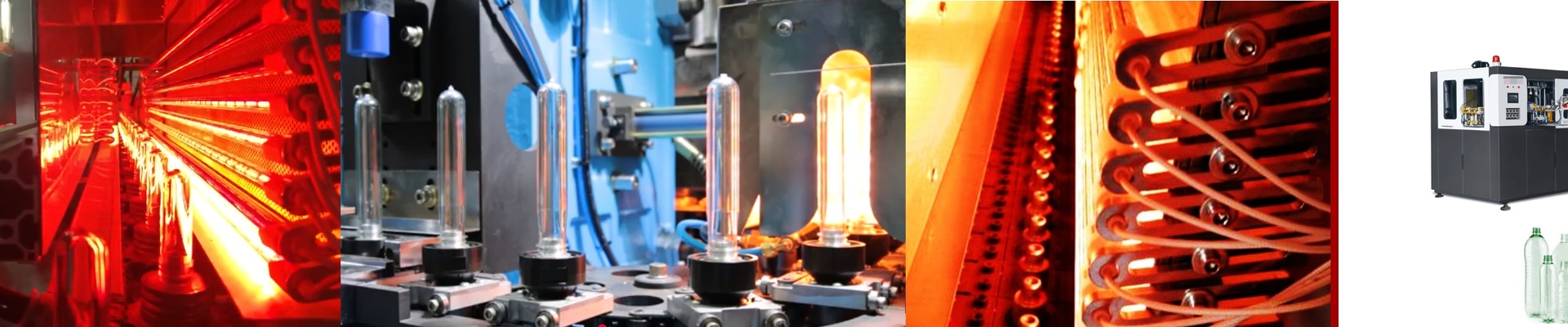
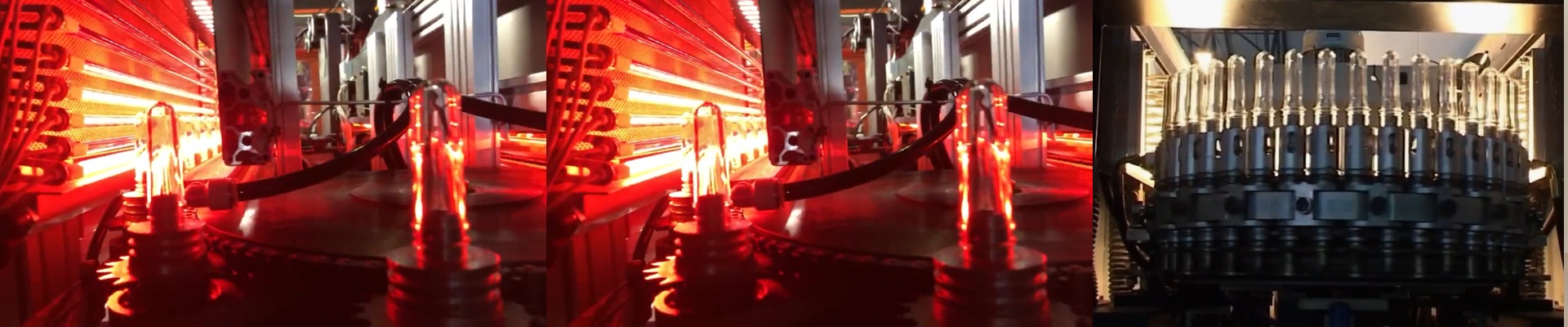
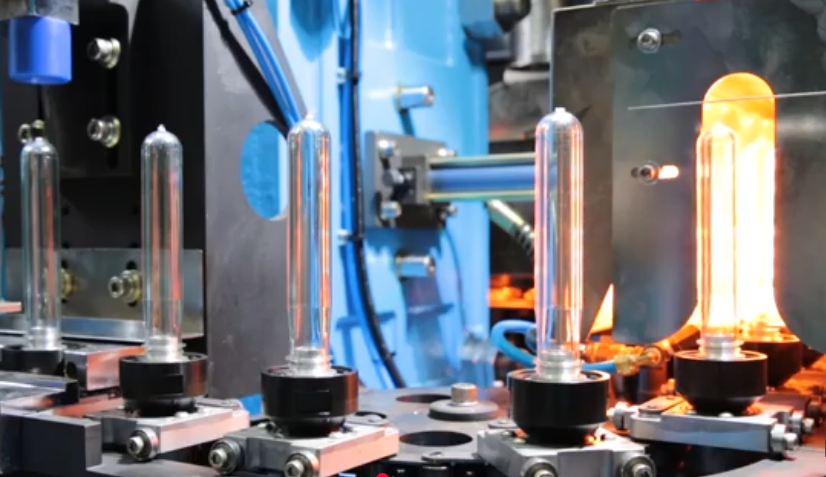
Ever pull a bottle off the line and notice the walls are way too thin in some spots and thick in others? Or maybe the bottle looks a bit… warped? It’s a headache. Usually, it comes down to uneven heating. When your preform doesn’t get a steady, uniform soak of heat, the stretch ratio just doesn’t work. We see this all the time with old lamps. The thermal profile starts to drift, leaving cold spots that lead to “pearling” or those annoying structural weak points in the PET. The trick to fixing a patchy heat field You need a lamp with the right watt-density. It sounds technical, but it’s really about how the heat hits the plastic. Our replacement tubes for SIG/KHS systems are all about the quartz. We use high-purity quartz so the infrared radiation actually gets into the PET consistently from one end of the tube to the other. Here’s the thing: if your voltage is even a little bit off, you’ll get “hot banding” right in the middle and ice-cold ends. We build ours to tight tolerances so you don’t have to deal with that. Getting them installed These are simple drop-in replacements. You won’t need to go digging through your wiring or redesign your oven. Depending on which KHS model you’re running, we use standard R7s or SK15 connectors. They just slide right into the sockets you already have. Plus, we’ve engineered the coating on the quartz to bounce the heat back toward the preform. It’s just a smarter way to use energy. A quick word of caution High-wattage lamps are great because they give you the heat density you need for fast cycle times. But there’s a catch. When you push that much power through a short tube, it puts a lot of stress on the ends of the lamp. This is where your cooling comes in. If your oven fans are clogged with dust or grime, these high-output lamps will burn out their electrodes way too fast. Keep your airflow clean. It’s the easiest way to make sure your quartz lasts as long as it should.