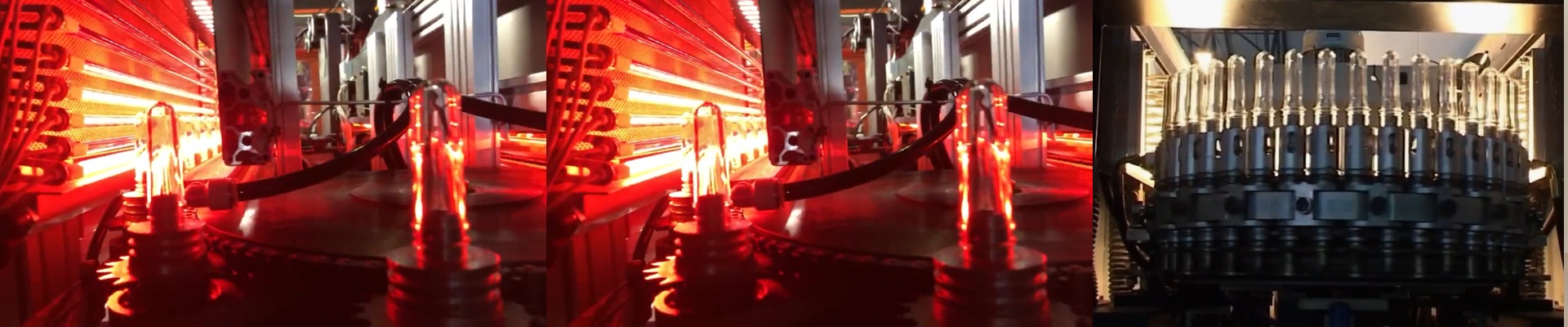

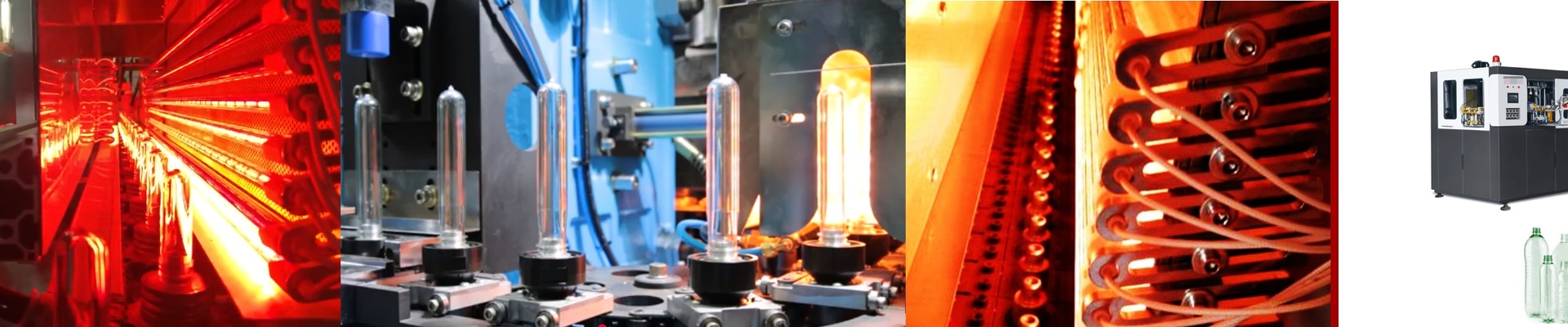
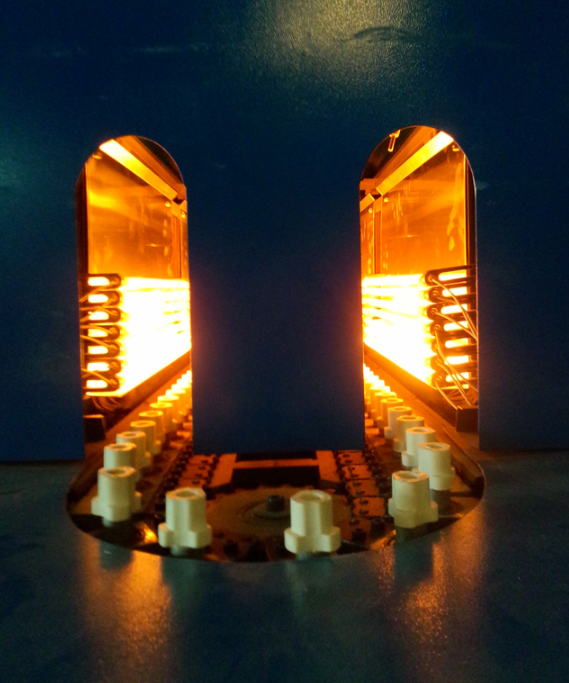
When you’re swapping out a lamp in a Sidel Matrix, “close enough” is a dangerous place to be. Here’s why: if the voltage or wattage is even slightly off, it messes with the infrared spectrum. That might sound like a lab problem, but on the floor, it means your PET preforms aren’t heating evenly. You end up with weird wall thickness or that annoying pearlescence in the finished bottle. Nobody wants to deal with that. Getting the heat right We make our replacement lamps to match the original specs exactly. If you’re running a 380V system, the tungsten filament resistance has to be spot on. Why? Because if the wattage spikes or the voltage dips, the color temperature shifts. We’ve tuned our filaments so the short-wave IR output mirrors the Sidel curve perfectly. You get the same heat density per millimeter of the tube, which means you don’t have to spend your afternoon messing with the oven’s PLC settings just because you changed a bulb. The fit and feel We use high-purity quartz glass because these things take a beating with the constant heating and cooling of a production line. But it’s not just about the glass. We use standard connectors so the lamps just slide right into the sockets. No forcing, no shoving. A loose connection is a nightmare—it creates hot spots that can actually melt your socket housing. Our lamps are designed to be a direct drop-in. You pop the old one out, slide the new one in, and get back to work. A quick tip for the long haul Those high-wattage 380V lamps put out a massive amount of heat. That’s great for keeping your cycle times fast, but it puts a lot of pressure on your ventilation. If your cooling fans are struggling or your reflectors are caked in grime, that ambient heat builds up and kills the lamp early. Keep those reflectors polished. When the IR energy hits the preform instead of the machine frame, your bulbs last longer and you aren’t replacing them nearly as often.