Stop Letting the Cold Kill Your Winter Profits
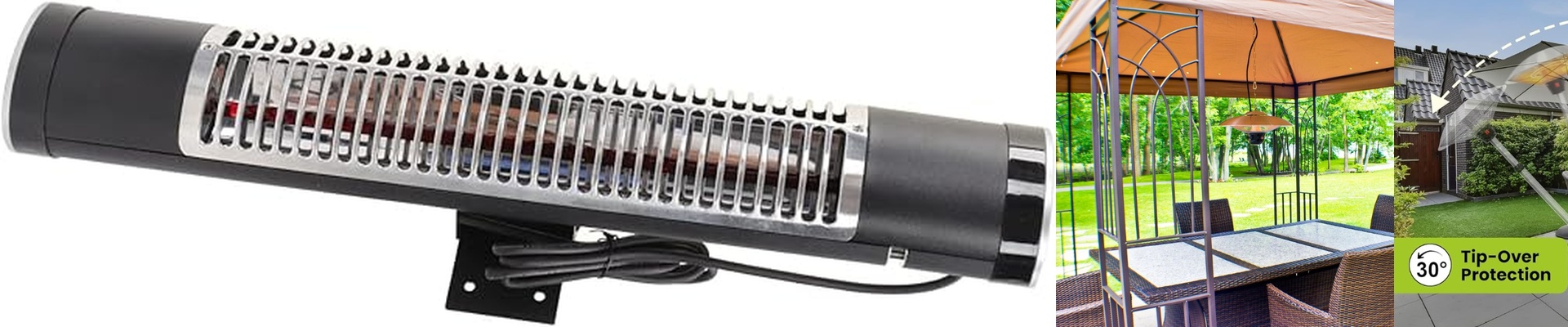
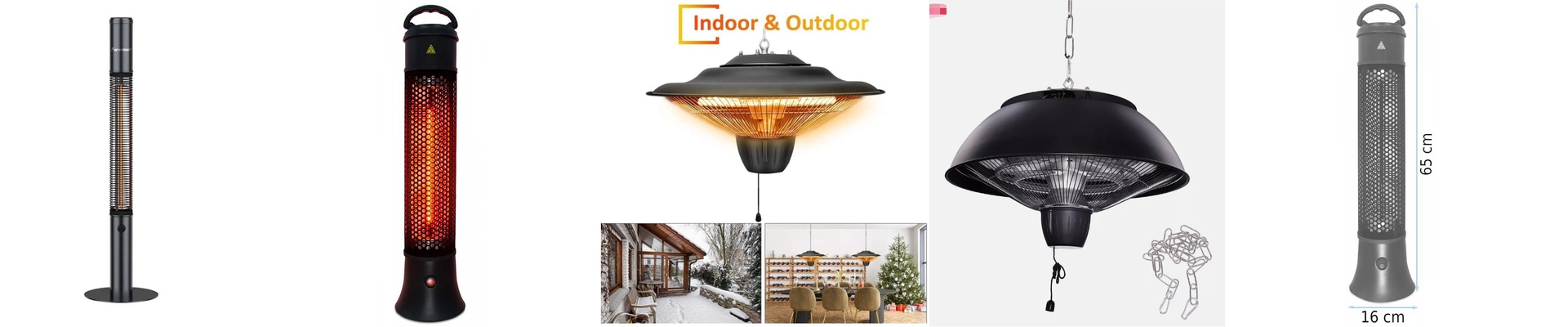
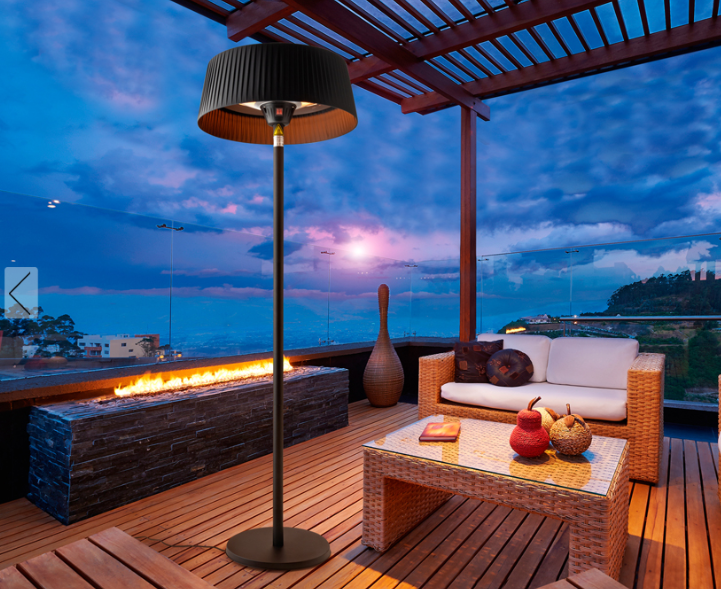
Let’s be honest: nobody wants to eat dinner in a wind tunnel. When the temperature drops, those outdoor tables—the ones you paid a lot for—just sit there. Empty. It’s a massive waste of space and a huge hit to your wallet from November through March. We fix this with shortwave infrared heaters. Here is the secret: stop trying to heat the air. Air just blows away the second a breeze hits. Instead, infrared sends heat directly to your guests and their chairs. It’s like sitting in a patch of sunlight on a crisp day. It feels immediate and cozy, even if the wind is whipping around the edges of the patio. Why this actually makes you money It’s simple. If a guest feels warm the second they sit down, they relax. They linger. They order that extra round of drinks or a dessert they weren’t planning on. When you create these “warm zones” around your tables, you’re not just fighting the cold—you’re opening up your seating capacity during the dead of winter. More bodies in seats equals more money in the bank. The nitty-gritty on setup We don’t just guess where these go. We look at how high your ceilings are and how bad the wind gets in your specific spot. We use shortwave emitters because they’re instant. There’s no waiting around for the unit to “warm up” while your customers are shivering. One heads-up: these things pull a lot of power. If you’re putting in ten 2000W units, you can’t just plug them into a standard outlet. You’ll need a dedicated circuit. Trust me, you don’t want your breakers tripping right in the middle of a Friday night dinner rush. A few things to watch out for Infrared is directional. It’s a beam of heat, not a blanket. If a guest shifts six inches to the left, they might hit a cold spot. That’s why we obsess over the placement. We make sure the heat hits them right on the shoulders and head—that’s where they feel it most. Also, these units get seriously hot. Like, “don’t touch” hot. To keep everyone safe, we mount them at least 2.5 meters up or add protective guards. Get the placement right, and your guests will be happy to stay outside all winter.