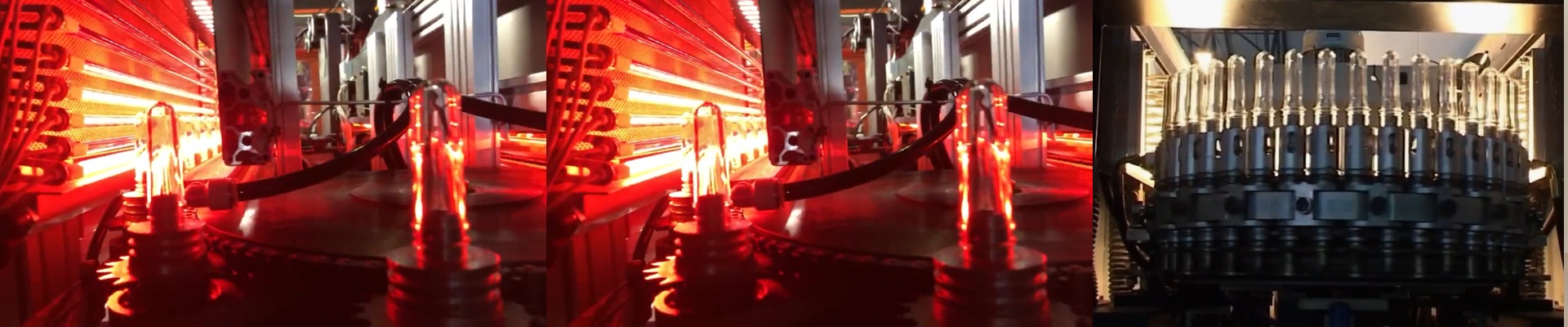
Stop Wasting Time Waiting for Your SACMI Lamps to Heat Up
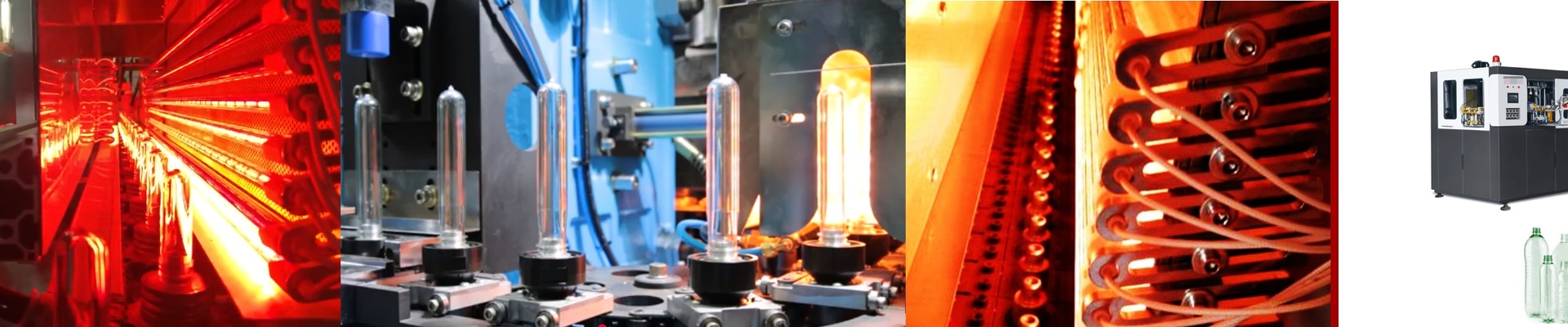
If you’re running a SACMI rotary blow molding machine at high speeds, you know the struggle. The window for getting your heating just right is tiny. If the lamps take too long to get up to temp, your preforms deform, your cycle times slip, and you’ve got a headache on your hands. That’s why we built our replacement lamps for Krones Contiform and SACMI systems to be faster. We wanted to kill that annoying lag between hitting the power switch and actually getting full heat. It’s about getting to the target temperature quickly, without the guesswork.
The nitty-gritty on the heat
We use a high-density tungsten filament inside a precision-drawn quartz envelope. But the real secret is in the calibration. We’ve tweaked the voltage and wattage so the filament hits its stride immediately, but doesn’t “overshoot.” Generic lamps usually can’t handle the rapid on-off switching of a rotary machine—they just burn out. Ours don’t. Plus, the heat is concentrated. You get a sharp hit of infrared radiation exactly where the preform needs it, rather than just heating up the air around it.
No fuss, no rewiring
Installing these is easy. We used standard industrial connectors, so they’re a simple drop-in replacement. You won’t have to spend your afternoon rewiring the oven. We also treated the quartz glass to stop PET off-gassing from sticking. You know that cloudy film that builds up on the tubes and kills your efficiency? We’ve pretty much solved that. And because we wound the filament tighter, the heat zone is more compact. You’re putting the energy into the plastic, not the machine frame.
A few things to keep in mind
Here’s the honest part: these are high-wattage, fast-start lamps. They put a bit more stress on your power supplies. If you’re pushing them to the limit to shave a few seconds off your cycle, make sure your cooling fans are up to the task. If the oven housing gets too hot, the lamps won’t last as long. One last tip? Keep your reflectors clean. Give them a quick check every shift. It’s the easiest way to make sure you’re actually getting the heat density these lamps are capable of.