Stop Letting Your Patio Go to Waste This Winter
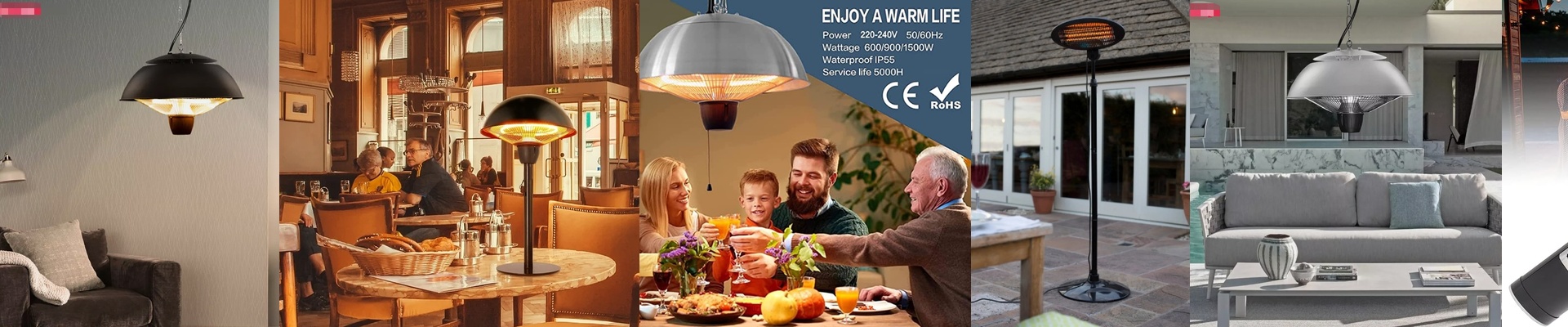
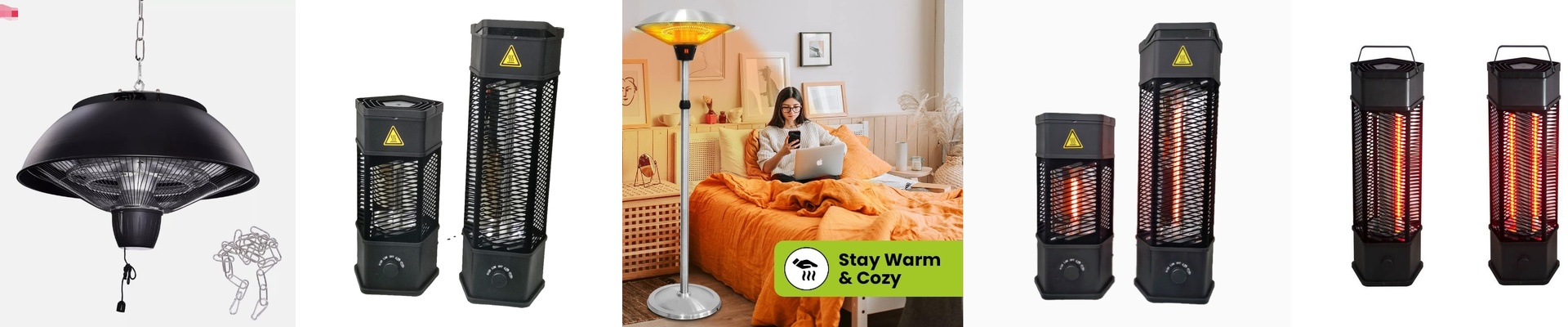
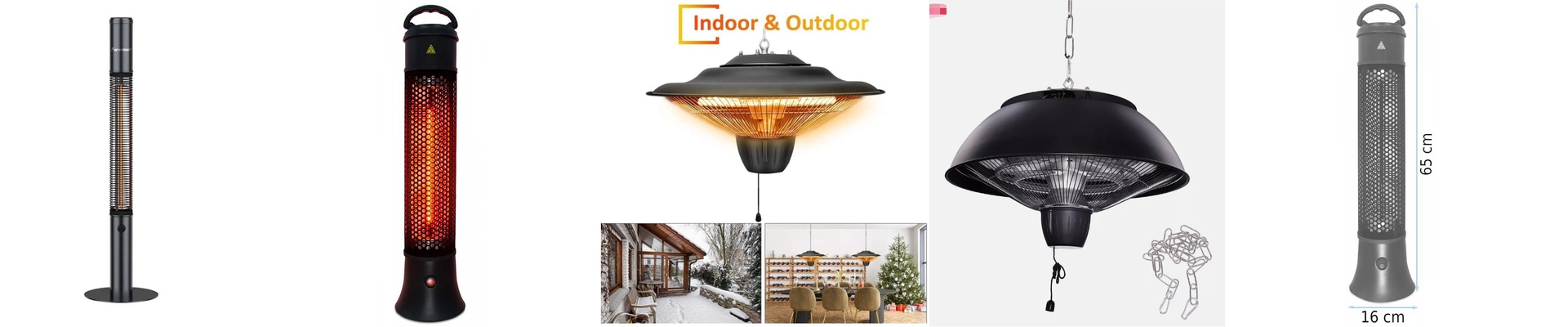
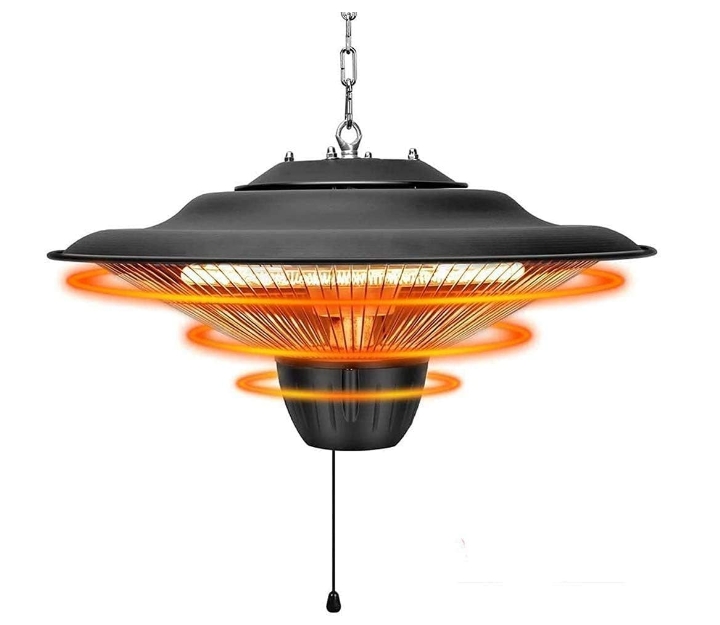
It’s a frustrating sight: a beautiful outdoor seating area sitting completely empty while your indoor dining room is packed to the gills. You’ve got the tables. You’ve got the vibe. But the second the temperature drops, those seats become dead zones. If you’re trying to fight the cold with those big forced-air heaters, you’re basically throwing money into the wind. Literally. The air just blows away. That’s where shortwave infrared comes in. Think of it like the sun. When you step outside on a cold February day and feel the sun hit your face, you warm up instantly, even if the air around you is freezing. That’s exactly how these heaters work. They don’t waste time trying to heat the entire outdoors; they send heat straight to your guests and their chairs. The second a customer sits down, they feel it. No waiting around for the “area” to warm up. When people actually feel cozy, they don’t complain about the draft—they just order another round of drinks or linger for dessert. How this actually helps your bottom line It all comes down to “warm zones.” By putting high-wattage heaters right where the people are, you make the patio a place people want to be. When the outdoors feels just as comfortable as the indoors, your hosts stop stressing about where to put people during the Friday night rush. You can flip those tables faster and keep the revenue flowing, even when it’s snowing outside. A few things to watch out for Now, you can’t just bolt these to a wall and call it a day. You have to be smart about it. If you hang them too high, the heat vanishes before it ever reaches the guest. Too low? You’ll end up roasting the top of someone’s head, which is a great way to get a bad review. And a heads-up on the electrics: these things pull a lot of power. Make sure you have a dedicated circuit. There is nothing worse than having your entire patio go dark in the middle of a cold snap because you tripped a breaker. One last thing—the quartz tubes inside are a bit fragile. If you’ve got servers sprinting through tight gaps with heavy trays, make sure the heaters are tucked away where they won’t get bumped.